European Union absorbs 97 percent of Russian Yamal LNG exports in first half of 2026
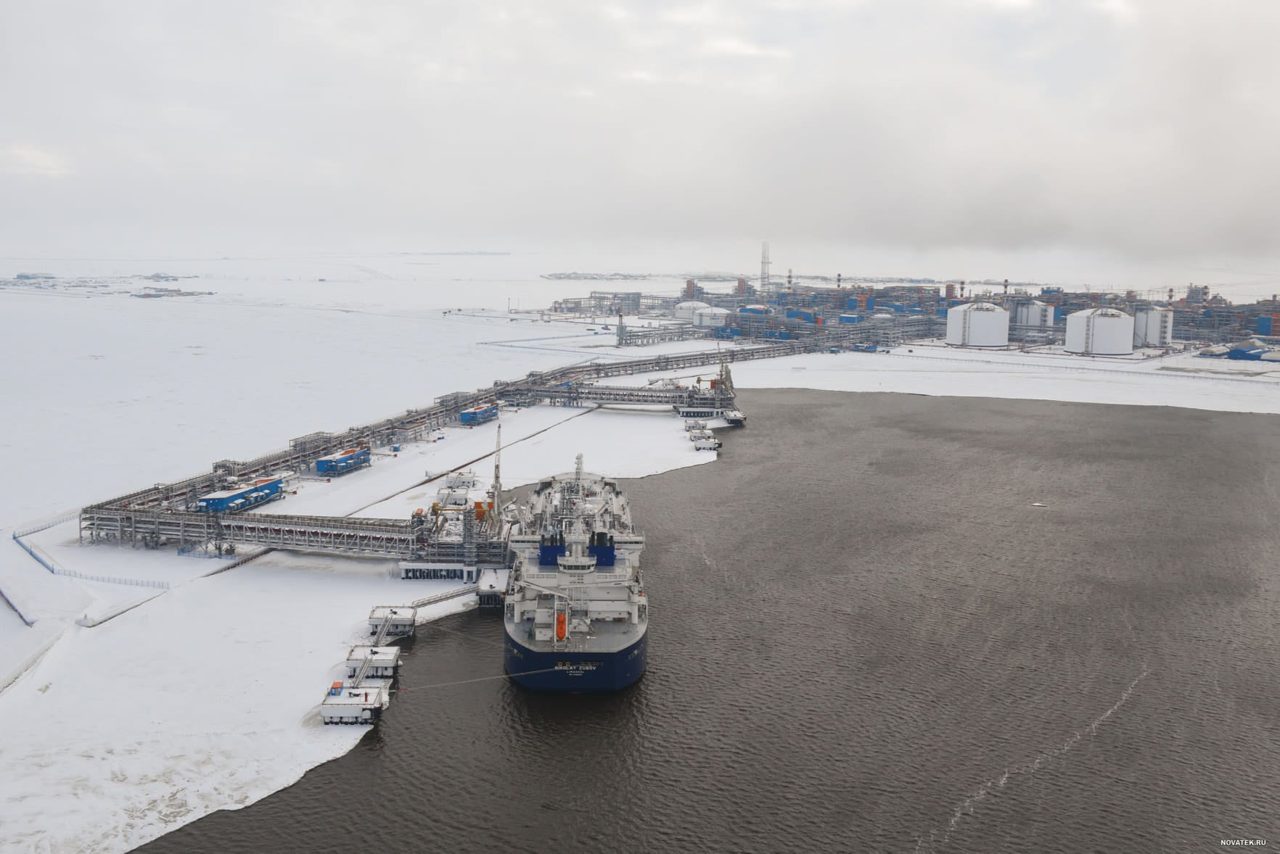
The European Union paid nearly 6 billion euros for Russian Arctic liquefied natural gas in the first half of 2026, absorbing almost the entire output of the Yamal project and highlighting the bloc’s continued logistical and financial reliance on Moscow’s energy sector.
The European Union absorbed 97 percent of all Russian Yamal liquefied natural gas shipments in the first half of 2026, paying an estimated 5.96 billion euros for 136 cargoes. This represents a 16 percent volume increase from the same period last year, underscoring the bloc’s deepening role as the primary financial backbone of Russia’s Arctic energy exports.
While Asia-bound deliveries collapsed by 84 percent to just four cargoes, European ports absorbed nearly the entire output of the strategically vital project. France, Belgium, and Spain emerged as the top destinations, collectively receiving 122 cargoes totaling 8.94 million tonnes.
This trade flow relies heavily on non-Russian maritime operators and European infrastructure. Seapeak, with ties to the UK and Canada, handled approximately 40 percent of the total volume, while Greece-linked Dynagas and Japan- and China-connected MOL and COSCO managed the remainder.
“In the fifth year of the war against Ukraine, the EU is still helping keep Russia’s Arctic LNG sector afloat,” said Sebastian Rötters, a sanctions campaigner at a German non-profit environmental research organization. “Yamal LNG depends on a small, specialised fleet, European ports and European services to keep exports flowing, and Europe continues to provide all three.”
The data presents a complex challenge for European policymakers ahead of a scheduled maritime services ban on Russian LNG vessels taking effect on January 1, 2027. Maintaining this supply chain requires ongoing technical support, particularly for the specialized Arc7 ice class tankers necessary for Arctic navigation.
Denmark’s Fayard shipyard remains the last European facility servicing these vessels, with up to six Arc7 tankers requiring maintenance this summer. The arrival of the Rudolf Samoylovich at the facility on June 30 highlights the ongoing logistical support sustaining the fleet.
“Fayard could further complicate the logistics of Russia’s LNG business significantly if the company were to stop maintaining the Arc7 tankers,” Rötters noted. “So far, Fayard has decided otherwise.” This ongoing maintenance sustains the revenue streams of a key Russian energy asset ahead of the upcoming regulatory deadline.