Nigeria printing shifts to packaging amid manufacturing boom
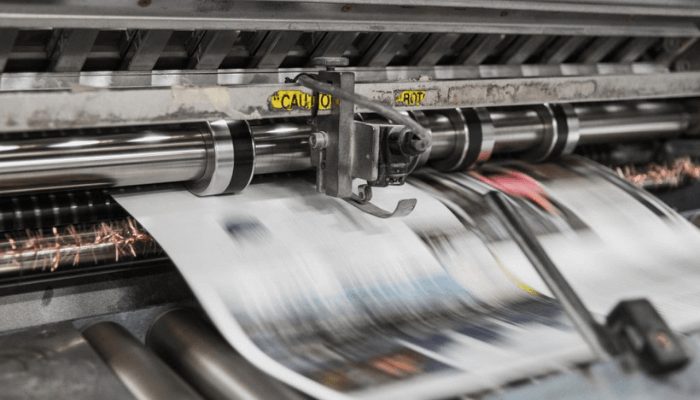
Nigeria's printing industry is pivoting from traditional media to industrial packaging to support a growing manufacturing base, though currency depreciation and import reliance threaten to limit investor returns.
Nigeria’s printing industry is rapidly shifting its focus from books and newspapers to industrial packaging. This pivot is being driven by rising demand from the country’s expanding manufacturing sector, particularly in food, pharmaceuticals, and fast-moving consumer goods.
The transition turns printing into a critical industrial support service, directly tying the sector's revenue to broader economic consumption trends. Industry executives note that packaging, labelling, and product identification now enhance product value and strengthen supply chain competitiveness.
"The future of printing is packaging," said Kunle Ogunjobi, Technical Director of Randomsoft Ltd. He identified flexible packaging, pharmaceutical labels, and security printing as the fastest-growing segments, supported by Nigeria’s expanding middle class and rising consumer demand.
However, significant structural bottlenecks threaten to constrain profit margins and deter fresh capital. The industry relies heavily on imported machinery, inks, and spare parts, leaving it acutely exposed to foreign exchange volatility and the steady depreciation of the naira.
Ogunjobi noted that these imported input costs have surged, forcing companies to automate processes and cut waste merely to protect their margins. He highlighted that while markets like the UK also depend on imported printing technology, Nigerian operators face compounding headwinds. High import duties, limited access to affordable financing, and inadequate technical support infrastructure continue to raise production costs across the value chain.
The supply chain for capital equipment is also shifting. While Germany, Switzerland, Japan, and Italy have historically dominated the market, Chinese manufacturers are gaining ground by offering competitive technology at lower price points. Ogunjobi observed that investors are now prioritizing equipment reliability and after-sales support over the country of manufacture.
Downstream supply chain constraints also persist. Guenter Franz, Chief Executive of VIP Systems Group, cited inconsistent local paper quality and the heavy concentration of global paper production among a few manufacturers as major hurdles to efficiency.
Despite these frictions, Franz stressed that Nigeria’s consumer market presents significant opportunities. He urged brand owners to invest in visually appealing packaging to attract the country’s youthful, brand-conscious demographic, noting that packaging now acts as a primary marketing tool.
On the technological front, Ogunjobi downplayed concerns that artificial intelligence would displace creative roles. He described the technology as "a productivity tool capable of accelerating design processes, automating repetitive functions, and improving operational efficiency while leaving creativity, strategy, and decision-making in human hands."