Nigeria state police bill advances despite state funding doubts
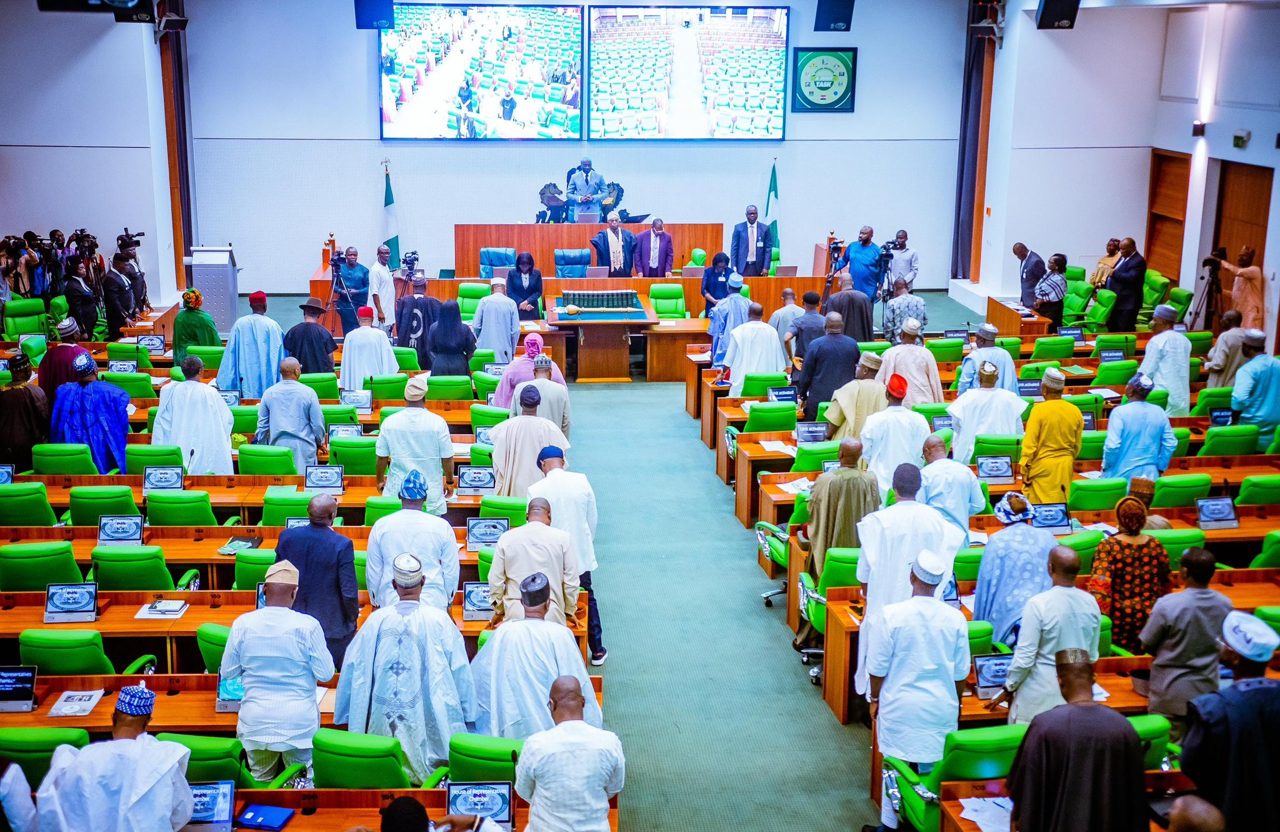
President Bola Tinubu has sent a state police bill to Nigeria's House of Representatives, advancing a major security reform that raises questions about the financial capacity of regional governments to fund the new forces.
President Bola Tinubu has formally submitted the Constitution of the Federal Republic of Nigeria (Alteration) (State Police) Bill, 2026 to House Speaker Tajudeen Abbas. The legislation seeks to amend the 1999 Constitution to establish a dual policing system across the country's 36 states.
The transmission follows the Senate's approval of a similar constitutional amendment on June 24, which passed with the required two-thirds majority. “This Bill builds on the significant work already done in this regard by the House of Representatives and incorporates additional safeguards to ensure that the creation of a dual policing structure to address our nation’s evolving national security challenges can be achieved quickly and effectively to the benefit of all Nigerians,” Tinubu said.
The House of Representatives passed its own version of the amendment on June 11. For the constitutional change to take effect, both chambers must pass the bill with a two-thirds majority before it moves to state assemblies, where at least 24 of the 36 must ratify it.
For investors and businesses operating in Nigeria, the shift from a centralized federal police force to a decentralized model carries significant fiscal and operational implications. Persistent insecurity has constrained economic activity, disrupting supply chains and limiting capital investment. Proponents argue that localizing law enforcement will improve response times, potentially boosting regional economic output.
However, the proposed reform faces substantial financial headwinds that could strain subnational budgets. Retired Commissioner of Police Balarabe Sule warned that many Nigerian states lack the financial capacity to establish and sustain their own police forces.
While acknowledging the potential security benefits, Sule questioned whether regional governments possess the baseline resources and institutional capacity to support such a system. If enacted, the legislation could force states to redirect scarce revenue away from critical infrastructure development toward law enforcement budgets.
Tinubu urged lawmakers to expedite deliberations, framing the legislation as “a critical component of our administration’s strategy to reorganize Nigeria’s security architecture to better protect our citizens.” The alignment between the executive and the Senate leaves the lower house as the immediate legislative hurdle before the proposal heads to the states.