Chesky backs asset tokenization, cites trust hurdle
Airbnb's CEO says blockchain could make ownership as liquid as information, but warns the technology needs a trustworthy foundation to attract real capital.
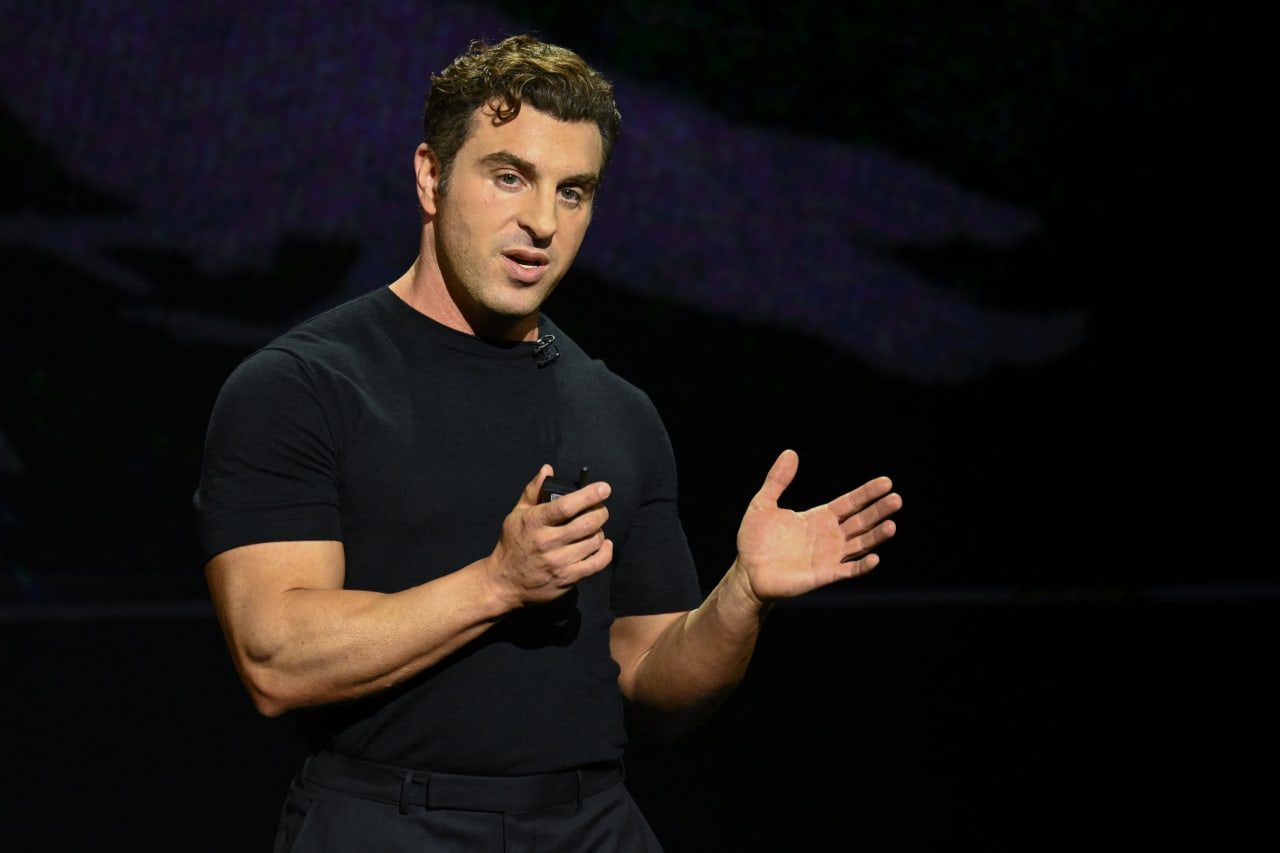
Brian Chesky, co-founder and chief executive of Airbnb, voiced strong support for the tokenization of real-world assets on Tuesday. He argued the technology could fundamentally alter how ownership is structured across financial markets.
In a post on X, Chesky drew a direct parallel between the early internet and current blockchain developments. "The internet made information liquid," he wrote. "Tokens make ownership liquid."
Tokenization involves recording assets, such as "a piece of a building, a bond, or a fund", on a blockchain to enable fractional ownership. This digital hosting theoretically allows for payment, settlement, change of ownership and custody to occur on a single digital ledger.
For market professionals, the significance of this infrastructure lies in potential operational efficiencies. By breaking assets into fractions, tokenization aims to unlock liquidity in markets where purchasing an entire asset is a barrier to entry. Real estate, for instance, is traditionally highly illiquid.
However, Chesky highlighted a critical barrier to widespread adoption. He stated that the success of tokenized real-world assets will ultimately depend on trust in the system that hosts it.
Establishing this trust remains the primary obstacle for traditional finance executives and investors. Until there is certainty regarding the security of custody and the legal enforceability of digital ownership, major capital allocators are unlikely to commit substantial funds. Regulators globally are still drafting the frameworks needed to govern these digital instruments.
Chesky's commentary arrives as financial institutions continue exploring blockchain networks for issuing traditional assets. While the technological architecture to fractionalize assets exists, the transition to significant market volume still hinges on resolving the trust deficit he identified.
The gap between technological capability and market readiness remains a focal point for the industry. Until those governance structures are proven, tokenization will remain a theoretical solution rather than a fundamental shift in asset management.