BBC warns funding model unsustainable ahead of 2027 talks
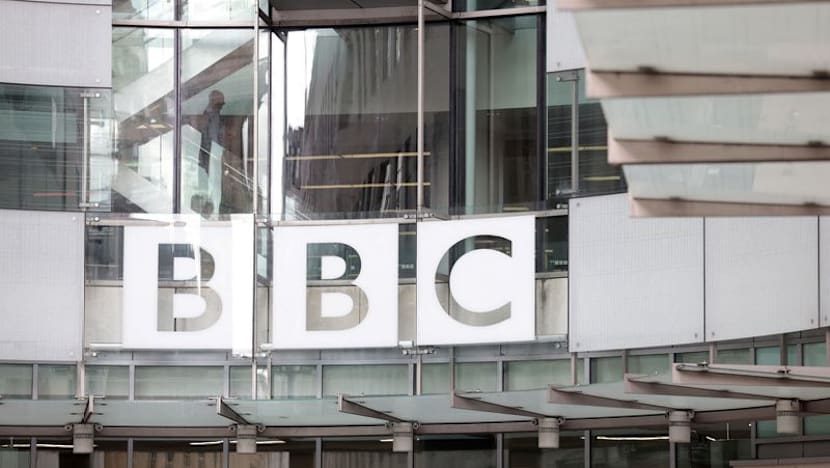
The BBC has declared its current funding structure unviable, setting the stage for a high-stakes renegotiation with the UK government that could reshape the country's media market.
The BBC stated in its annual report on Tuesday that its current funding structure can no longer support its public broadcasting mandate. The broadcaster must now negotiate a new financial settlement with the government before the existing agreement expires at the end of 2027.
The core financial strain lies in a widening disconnect between audience reach and revenue collection. While 94% of UK adults use the BBC each month, only 80% of households pay the mandatory television licence fee. This structural deficit is forcing a debate over whether to retain the licence fee, transition to a subscription model, or introduce advertising.
Matt Brittin, a former Google executive who took over as Director General in May, described the situation as "a moment of real jeopardy" for both the broadcaster and the UK. He confirmed that a reinvention of the organisation is already underway to address the financial crisis.
Potential solutions extend beyond simple fee adjustments and could alter the competitive landscape. Brittin noted the government is actively reviewing the licence fee's level, scope, and collection methods. Furthermore, the government is supportive of the BBC negotiating with rivals like Channel 4 to consolidate content into a unified "sovereign media platform".
The funding debate coincides with ongoing governance challenges. The annual report highlighted a "significant commitment to improve its culture, processes and standards" following a series of high-profile scandals. This follows a crisis last year that saw the BBC accused of bias, prompting a lawsuit from U.S. President Donald Trump.
Executive compensation remains a sensitive issue as the organisation faces financial pressure. The report disclosed that radio presenter Scott Mills, who was sacked in March over allegations about his personal conduct, was paid between £745,000 and £749,999. Fellow radio host Greg James earned between £440,000 and £449,999, while political presenter Laura Kuenssberg received between £405,000 and £409,999.