Hormuz Blockade Returns as Iran Strikes US Fleet and Tankers
The US and Iran have abandoned economic incentives for a direct punishment strategy in the Strait of Hormuz, threatening global oil supplies and disrupting critical maritime trade routes.
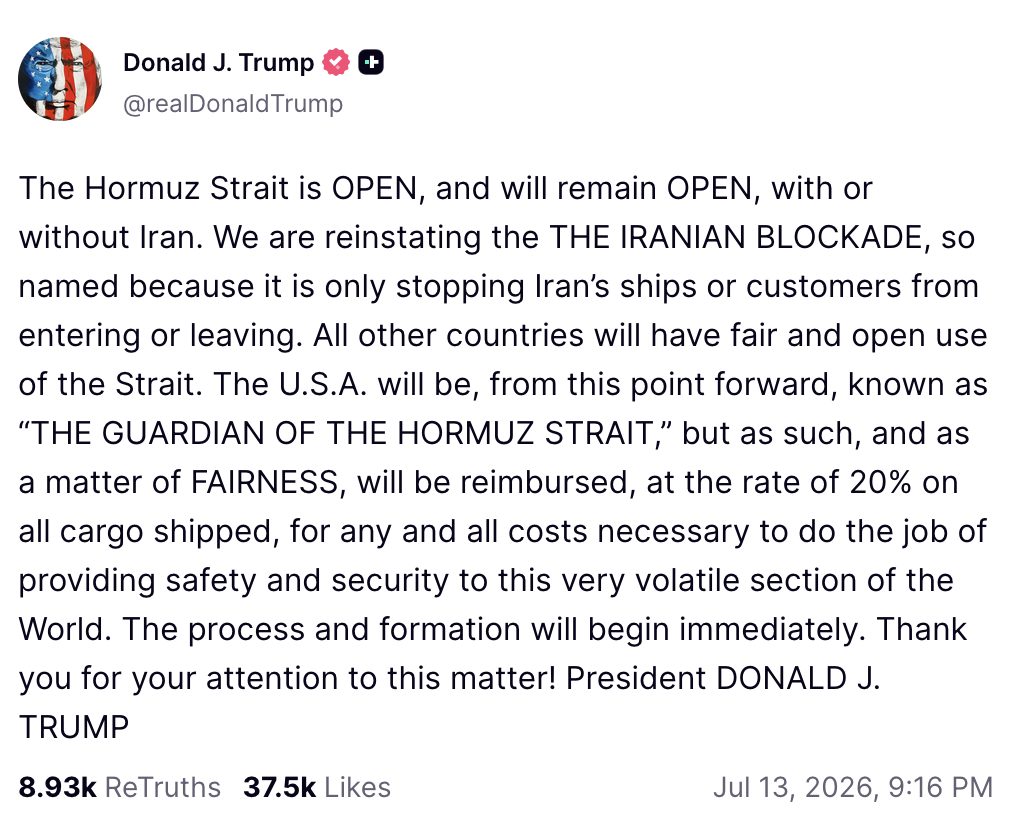
Six commercial vessels have been struck in the Strait of Hormuz since last Monday as the United States reimposed a naval blockade on the waterway and proposed a 20 percent transit toll. In response, Iran’s Islamic Revolutionary Guard Corps has disabled multiple tankers and launched extensive missile and drone strikes against US military assets in Bahrain. The rapid escalation marks a decisive departure from previous ceasefires.
Jennifer Parker, an adjunct fellow at UNSW Canberra, noted that the current conflict differs fundamentally from the tit-for-tat exchanges seen in April. "Every time Iran attacks shipping, the US responds by attacking Iran," she said. "That is a different strategy. That is the deterrence by punishment strategy as opposed to the economic incentive strategy we saw in the Memorandum of Understanding."
The toll proposal has generated confusion among market participants. More than 10 shipping industry sources said they were blindsided by the announcement, which would add roughly $32 million to the transit cost of the largest 2-million-barrel tankers at current prices. Major Gulf Arab exporters and Asian importers are expected to resist the fee, and the White House has not explained how the charge would be administered or communicated to allies.
Iran has moved to exploit this uncertainty, with Foreign Minister Seyed Abbas Araghchi stating that whoever provides safe passage should be compensated. "Iran has always been the GUARDIAN of the Strait and will remain so FOREVER," he wrote, calling the 20 percent figure excessive but promising fairness. Iranian forces have simultaneously expanded their targeting to include ports in Oman, Qatar, and the UAE. The UAE confirmed two of its tankers were hit by cruise missiles, prompting India to summon Iran’s deputy ambassador after an Indian crew member was killed.
The disruption to maritime commerce now extends well beyond the Persian Gulf. Yemen has announced it will close the Bab el-Mandeb strait after Iran successfully flew an aircraft into Sanaa, defying an 11-year Saudi blockade. This compounds broader supply chain stress, as Ukrainian actions have already halted Russian diesel exports through the Sea of Azov and threaten wheat shipments during a period of anticipated global shortages driven by rising fertilizer costs and a super El-Nino.