Dongfeng targets Canadian EV market via Carney tariff quota
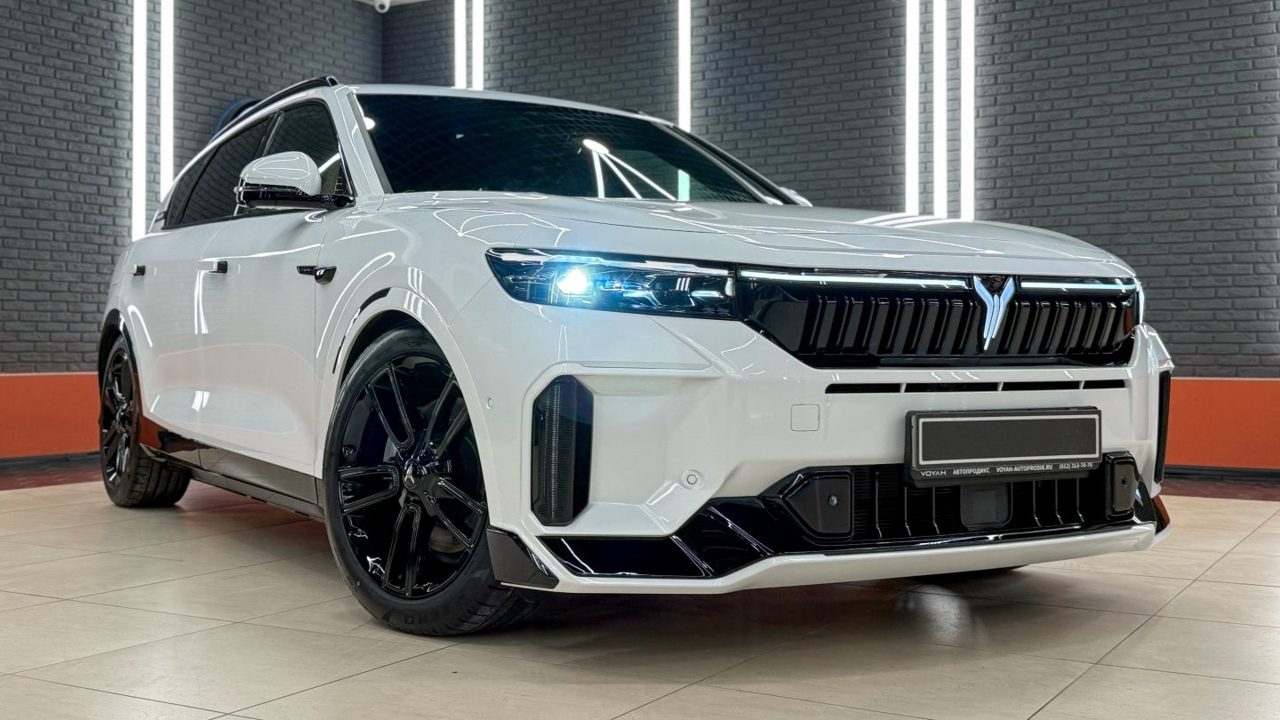
Dongfeng Motor is preparing to enter the Canadian electric vehicle market through a reduced tariff quota, adding competitive pressure to a sector previously shielded by 100% import duties.
Dongfeng Motor is preparing to enter Canada’s electric vehicle market, using a state-negotiated tariff quota to bypass steep import barriers that effectively locked out Chinese manufacturers last year. The state-owned automaker will showcase models at a Montreal event this week as its Canadian distributor, North World Industry, pursues regulatory certification for an anticipated 2025 launch.
The strategy hinges on a tariff exemption struck in January between Prime Minister Mark Carney and Chinese President Xi Jinping. The agreement suspends a 100% surtax on up to 49,000 Chinese-built EVs for an initial 12-month period, with Canada planning to expand this quota in subsequent years. In exchange, China agreed to lift tariffs on select Canadian farm exports.
Prior to this diplomatic pivot, former Prime Minister Justin Trudeau had imposed the 100% levy on top of the standard 6.1% duty in 2024. That move priced Chinese brands out of the market and forced Tesla to restructure its supply chain to accommodate the Shanghai-built vehicles it sells in Canada. Tesla currently remains the dominant user of the lower-tariff allowance, though BYD and Chery Automobile have also signalled plans to utilise the quota soon.
For investors and industry executives, Dongfeng’s arrival signals a broader shift in North American trade dynamics, where geopolitical barriers are selectively lowered to facilitate market access. Julie Mazorra Fernández, director of North World Industry, said the immediate goal is to build consumer familiarity before initiating sales. "We are working hard on that, and maybe next year we will be ready to introduce the first two models," she said.
Looking further ahead, the tariff quota appears designed as a bridge to direct investment. Carney has indicated the Xi agreement could attract joint-venture manufacturing from "trusted partners" in China. Mazorra Fernández noted that local production is part of Dongfeng’s longer-term strategy, pointing to the company's existing manufacturing partnerships with Stellantis and Nissan Motor in Europe and South America. That prospect gained traction last month when Industry Minister Melanie Joly visited Beijing, noting that Chinese automakers are actively evaluating Canada for potential manufacturing tie-ups.