Japan grants $1bn as Tower Semiconductor plans $3bn AI chip expansion
Tower Semiconductor is pouring $3 billion into Japanese manufacturing to capitalize on surging AI demand, a move that sent its shares surging and significantly lifted its 2028 profit outlook.
Tower Semiconductor is committing $3 billion to expand its Japanese manufacturing footprint. The investment is anchored by $1 billion in state subsidies and targets the production of critical components for artificial intelligence infrastructure.
Investors reacted aggressively to the scale of the capital deployment. The Israeli company's U.S.-listed shares rose more than 18 per cent in premarket trading, underscoring how heavily the market values specialized foundry capacity tailored for AI and data center architectures.
The financial backing from Tokyo highlights Japan's ongoing strategy to re-establish itself as a vital node in the global semiconductor supply chain. By subsidizing advanced chip production, the government is effectively aligning public funds with technologies that address physical bottlenecks in modern computing.
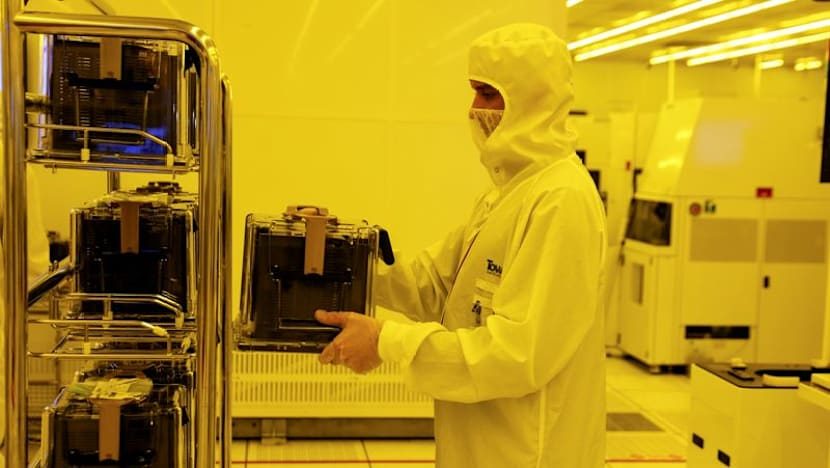
Tower's investment will unfold across two parallel tracks. The first phase involves retrofitting the company's Arai plant, previously known as Fab 6, into a 300-millimeter silicon photonics facility slated for full operation by the fourth quarter of 2027. Because silicon photonics uses light to move data faster between AI chips, it directly targets the connectivity constraints that limit large-scale computing clusters.
Simultaneously, Tower will begin constructing a second 300-millimeter manufacturing site adjacent to its existing Fab 7. This additional capacity will support the production of silicon-germanium technology, which enables faster and more energy-efficient semiconductor devices.
The planned operational ramp-up prompted management to sharply raise its medium-term financial targets. Tower now projects 2028 revenue of $3.6 billion, a substantial upgrade from its prior estimate of $2.8 billion. Net income forecasts jumped to $1.2 billion from an earlier expectation of $750 million.
The revised profit outlook signals that the new Japanese capacity will carry significantly higher margins than the company's legacy operations. "We anticipate track two to provide the path for continued growth far beyond 2028," CEO Russell Ellwanger said. This indicates the buildout is structured to sustain long-term earnings power rather than merely satisfy a temporary surge in demand.