Fed rate hike bets surge on Iran conflict inflation
Renewed hostilities with Iran have driven half of Federal Reserve officials to project interest rate increases this year, threatening to halt an equity rally fueled by strong corporate earnings.
The Federal Reserve is pivoting toward a new tightening cycle as geopolitical shocks reshape the inflation outlook. Half of the officials on the rate-setting committee now expect at least one quarter-point interest rate increase this year. That is a stark reversal from the March meeting, when zero members anticipated a hike. Market pricing aligns with this hawkish shift, with CME Group's FedWatch tool indicating traders expect a quarter-point increase in September, followed by a second in March 2027.
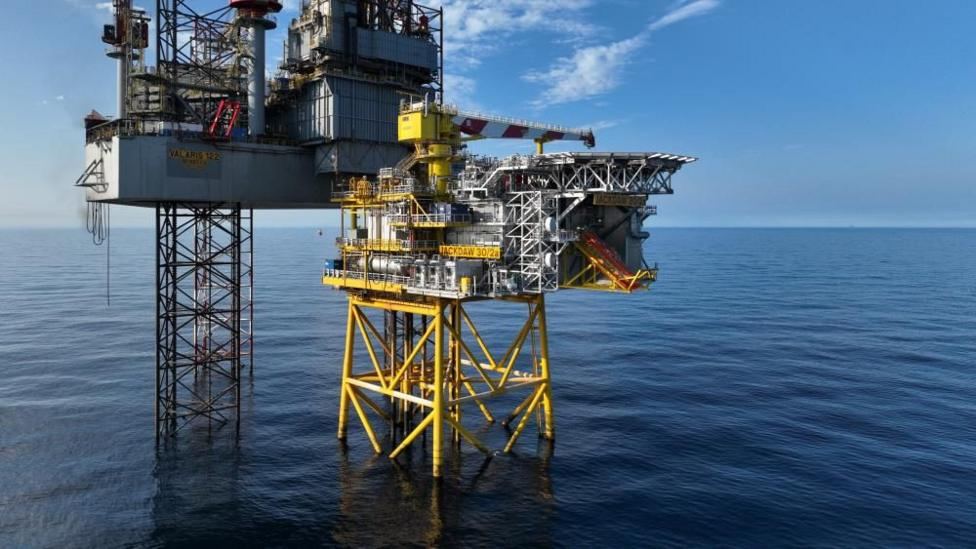
The catalyst for this policy shift is a severe energy supply crisis stemming from the Iran conflict. In March, hostilities effectively shut down the Strait of Hormuz, a critical Persian Gulf chokepoint. The closure severed the flow of roughly 20 million barrels of oil per day, a volume equivalent to about 20% of petroleum liquids consumed worldwide. The International Energy Agency characterized the event as the largest oil supply disruption in history.
Crude prices initially spiked to a four-year high before retreating sharply when the U.S. and Iran announced a peace deal in June. However, that relief proved short-lived. WTI futures began climbing again last week after Iranian forces attacked commercial oil tankers, prompting President Trump to call off the fragile ceasefire. The sustained price pressure is already evident in consumer data, with CPI inflation surging to 4.1% in May, a level not seen since April 2023.
For equity markets, the return of rate hikes threatens to undermine a strong first half of the year. The S&P 500 has climbed 11% year to date, while the Nasdaq Composite has added 13%. Those gains have been driven almost entirely by strong corporate financial results. Yet historical parallels offer a warning. When the Fed initiated its last tightening cycle in March 2022, both the S&P 500 and Nasdaq subsequently dropped into correction territory.
There is still a chance the central bank holds off if price pressures ease. Oil remains well below its April peak, which could pull inflation lower in the coming months. However, the mere expectation of a tightening cycle is enough to alter the risk calculus for portfolio managers. After months of rewarding strong earnings, the market must now price in the probability of higher borrowing costs.