Lagos re-enters Africa top 10 airports as Nigeria domestic demand surges
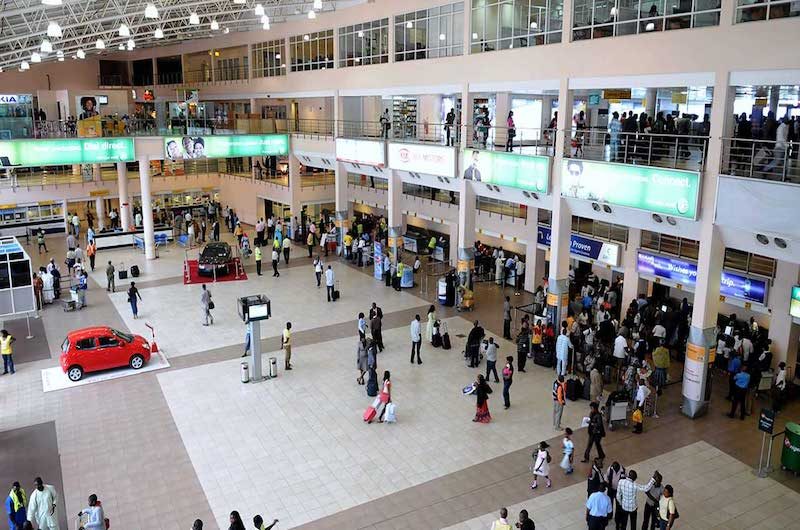
A 21.7% surge in Nigerian domestic flight capacity has pushed Lagos back into Africa’s ten busiest airports, signaling resilient consumer demand that will now test the limits of the country's terminal infrastructure.
Lagos Murtala Muhammed International Airport secured the tenth spot on the continent's list of busiest hubs this June, according to OAG data. The ranking comes after the facility recorded a 16.7% increase in total airline seats, reaching 417,622 available seats compared to 357,799 a year earlier. This expansion represents the fastest growth rate among Africa's top ten airports.
The catalyst for this growth was entirely domestic. Nigeria posted the largest absolute capacity increase in Africa, adding 130,200 seats to local routes, a 21.7% year-on-year jump. For investors, this aggressive deployment by local airlines suggests consumer spending on travel remains robust despite the country's broader macroeconomic headwinds.
Lagos's rapid climb contrasts sharply with the slower, steadier growth of the continent's traditional heavyweights. Cairo retained the top position with 1,655,250 seats, growing just 4.0%, while Addis Ababa held second place with 1,135,516 seats and an 8.9% increase. Johannesburg rounded out the top three with 1,066,582 seats.
Underlying the airport figures is a fierce capacity battle among major carriers. Ethiopian Airlines continues to dominate, operating 2 million seats this month. However, North African airlines are rapidly closing the gap, with Air Algérie expanding capacity by 11.2% and Royal Air Maroc by 10.8%.
The data also reveals diverging regional trends across the continent. While South Africa remains the largest absolute domestic market with 1.5 million seats, Kenya's internal aviation market contracted severely. Nairobi held its eighth-place spot overall, but Kenya's domestic capacity crashed by 18.7%, shedding 76,400 seats.
For Nigeria, the immediate investment implication shifts from airline demand to physical infrastructure. The sudden velocity of passenger growth threatens to overwhelm existing terminal facilities at the Lagos hub. Unless significant ground-level upgrades are executed, the current capacity boom risks translating into operational bottlenecks that could constrain future airline profitability.