$3bn IDB package targets Guatemala credit upgrade
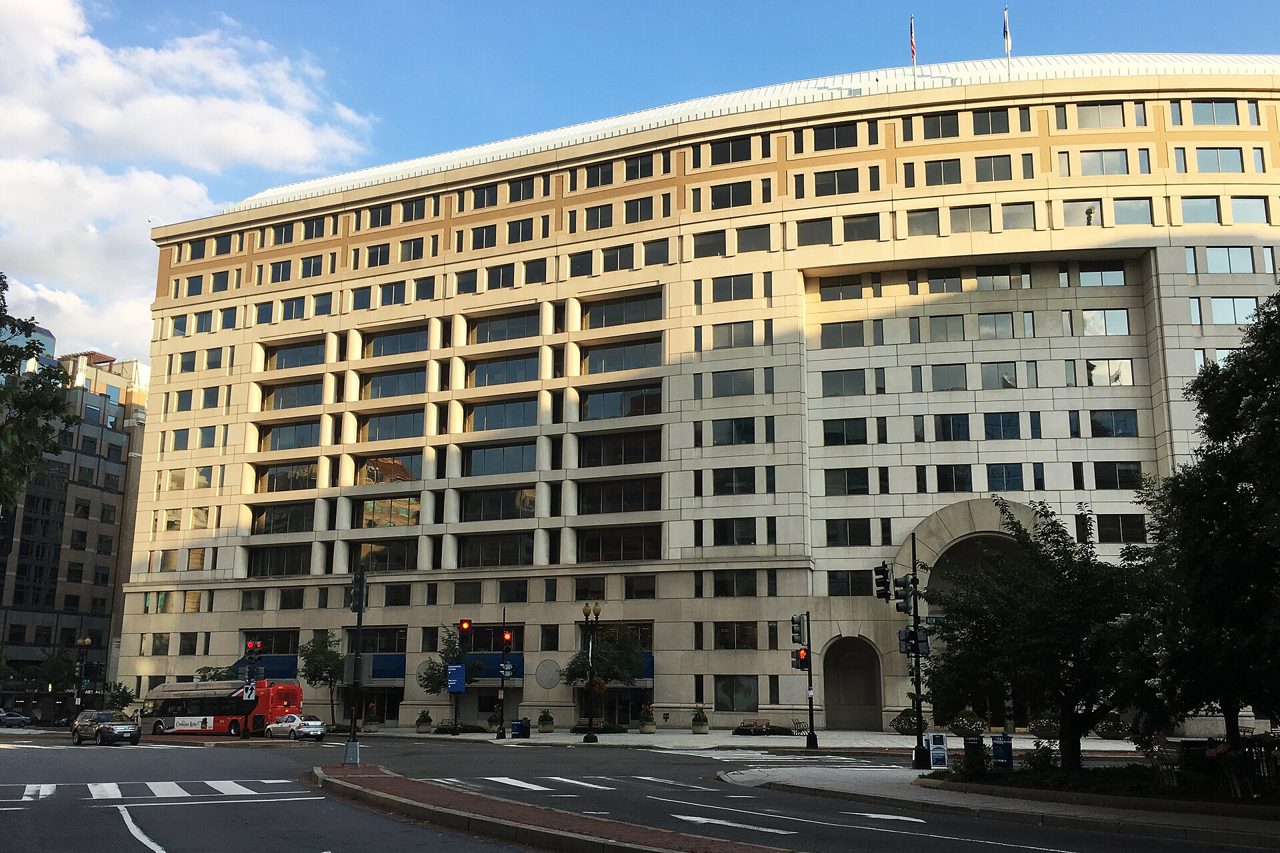
The Inter-American Development Bank will deploy up to $3 billion over three years to help Guatemala secure an investment-grade sovereign rating by financing infrastructure and pressing for legal reforms.
The Inter-American Development Bank has committed up to $3 billion for Guatemala spanning 2026 to 2028, aiming to push the Central American nation into investment-grade territory. The funding will flow through both the bank's public and private sector arms. As an immediate step, the IDB plans to approve $350 million in loans before the end of this year.
Achieving an investment-grade rating would fundamentally alter Guatemala's position in global capital markets. The upgrade would lower sovereign borrowing costs, unlocking cheaper capital for government infrastructure spending and attracting larger pools of foreign direct investment. Currently, Guatemala sits just one notch below that benchmark at major credit agencies, restrained more by governance issues than by its balance sheet.
The IDB is attaching explicit conditions to a portion of its financing, tying it directly to institutional reforms. IDB President Ilan Goldfajn identified the passage of a new investment law, a revised public-procurement law, and an updated anti-money-laundering law as critical steps. The bank stressed that macroeconomic stability alone is insufficient, and the country must translate calm public finances into broader economic growth.
Guatemala's underlying macroeconomic fundamentals already provide a strong foundation for this push. The economy is expanding at roughly 4 percent, roughly double the regional average, supported by low public debt and robust remittance inflows. The IDB intends to direct its capital toward energy, road networks, ports, broadband, and critical mineral supply chains to sustain this trajectory.
Capturing nearshoring demand is a central pillar of the bank's strategy, as manufacturers increasingly look to relocate production closer to the United States. To maximize this impact, the IDB's private investment unit will attempt to crowd in local and international financiers rather than relying solely on its own capital. The plan also includes expanded credit access for small businesses and agricultural exporters.
The financing package aligns closely with the priorities of President Bernardo Arévalo, who has positioned multilateral backing as essential to drawing private capital. The country's ability to absorb these funds and execute the required legal changes will face a high-profile test in March 2027. Guatemala is scheduled to host the IDB's annual meeting that year, gathering thousands of global investors and officials.