Caracas merges diplomacy, trade portfolios to drive economic recovery
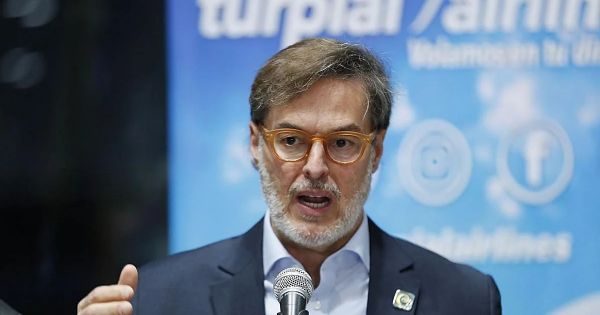
Venezuela has combined its foreign affairs and trade ministries under a diplomat who recently oversaw the lifting of US sanctions on state oil company PDVSA, signalling a pivot toward economic recovery as the country faces massive post-earthquake reconstruction costs.
Acting President Delcy Rodríguez has appointed Félix Plasencia to lead a newly created Ministry of Foreign Relations and Trade. Plasencia is a 53-year-old career diplomat with over three decades of experience, having previously served as foreign minister between August 2021 and May 2022. He steps into the merged role after serving as Venezuela's chief of mission in Washington, replacing Yvan Gil, who moves to the Ministry of Science and Technology.
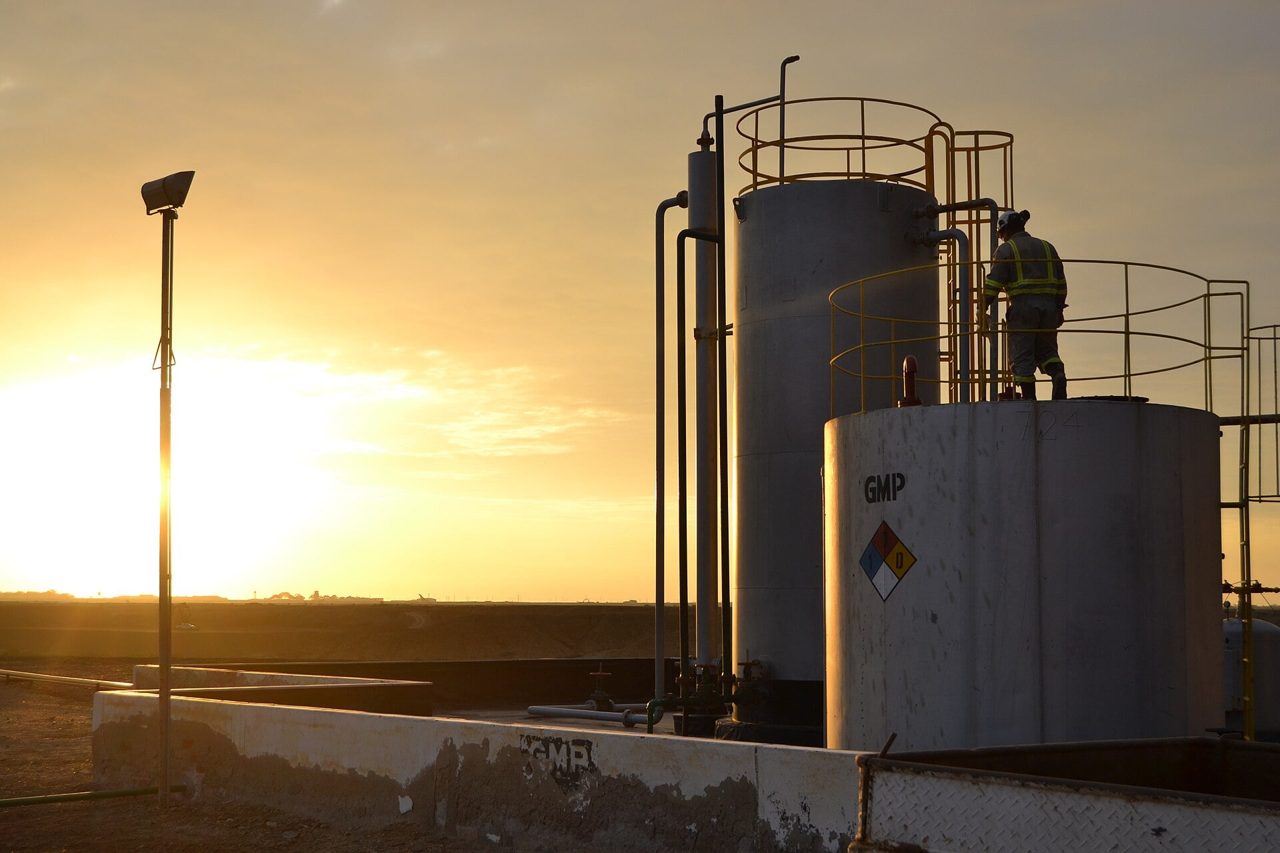
Plasencia’s promotion is highly relevant to international investors and energy markets. From his Washington post, which he assumed in February, he directly managed the issuance of critical licenses to state oil company PDVSA. He also oversaw the lifting of restrictions in the gold sector following the restoration of diplomatic relations between the US and Venezuela in March after a seven-year rupture.
The consolidation of the diplomatic and trade portfolios removes Johan Álvarez, who had headed Foreign Trade since March, from the cabinet. Rodríguez framed the structural shift as a strategic realignment. “I have appointed the internationalist Félix Plasencia, who has extensive diplomatic experience and will be tasked with directing Venezuelan foreign policy, defending our sovereignty, strengthening cooperative relations and promoting peace diplomacy in the world,” she wrote.
The merger indicates an administration attempting to center its foreign policy squarely on commercial and economic objectives. Rodríguez took over as acting president following the capture of Nicolás Maduro on January 3. She has since systematically realigned key economic roles, appointing Francisco Garcés as transport minister on July 5 and placing José David Cabello at the head of the state petrochemical company two days later.
This economic repositioning arrives as the government confronts a staggering fiscal challenge. Twin earthquakes of magnitude 7.2 and 7.5 struck the northern coastal state of La Guaira on June 24. The disaster killed at least 4,561 people, injured 16,740, and left 17,907 homeless, with 20,231 survivors currently housed in 107 temporary camps.
The official cost of reconstruction has yet to be quantified. However, the scale of the destruction makes attracting foreign capital and maintaining sanction relief existential priorities for Caracas. Plasencia’s mandate to blend diplomacy with trade will ultimately be tested by his ability to convert improved international relations into the financing required to rebuild.