Kacholia Exits, Kela Trims SG Finserve After 52% Rally
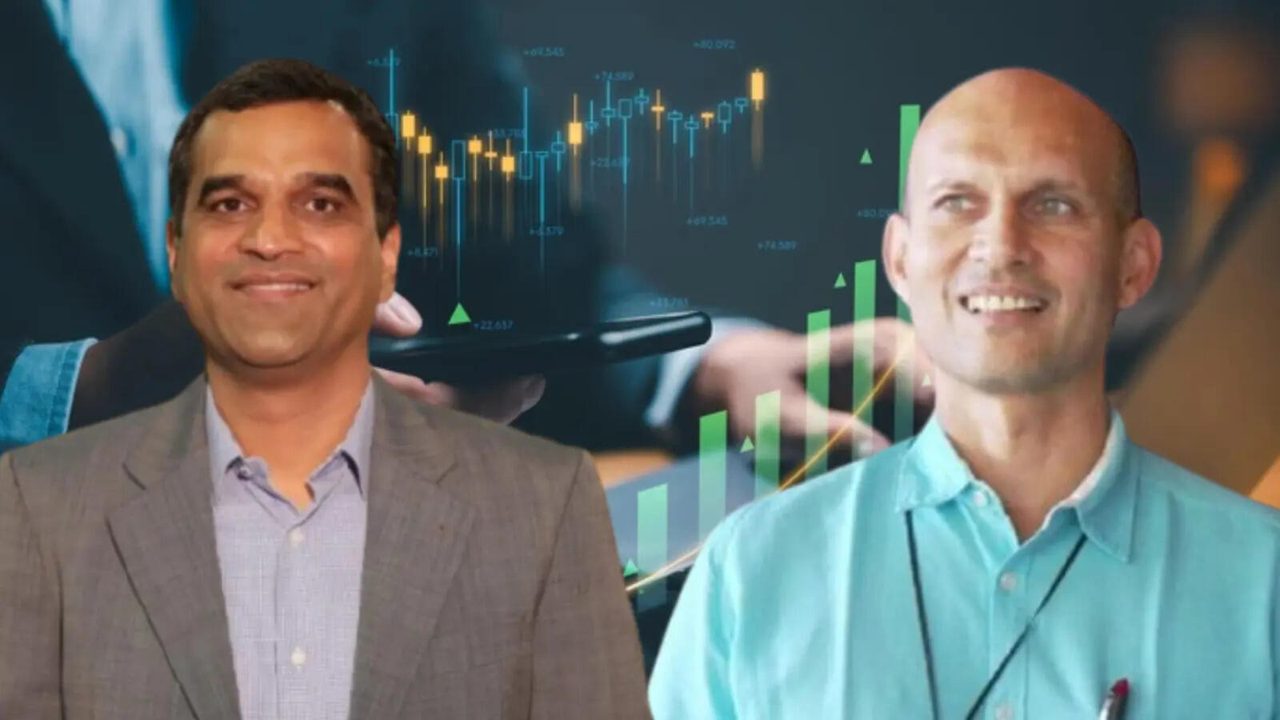
Prominent Indian investors Ashish Kacholia and Madhusudan Kela are cashing out of SG Finserve after a 52% rally, a potential caution signal for retail followers of the smallcap lender.
Ashish Kacholia has fully exited SG Finserve, while fellow investor Madhusudan Kela has trimmed his stake in the smallcap non-banking financial company. The sales follow a 52% year-to-date surge in the stock's price during 2026, a sharp divergence from India's broader equity market, where the Nifty and Sensex indices have fallen more than 7% and 9% respectively.
Both Kacholia and Kela are among the most closely monitored investors in India's smallcap space. Their portfolio adjustments act as key sentiment indicators for retail and institutional traders. Kacholia, frequently referred to as the "Big Whale" by local media, began his career at Prime Securities, joined Edelweiss, and incorporated Lucky Securities in 1995 before co-founding Hungama Digital with Rakesh Jhunjhunwala.
Despite the insider selling, SG Finserve’s underlying business metrics remain strong. The company closed the first quarter of fiscal 2027 with a loan book of approximately Rs 4,551 crore, an 82% jump from the prior year and a 16% increase from the previous quarter. For the full prior year, gross disbursements crossed Rs 25,000 crore, reflecting a 40% year-on-year growth.
As an RBI-registered NBFC, SG Finserve specializes in supply chain financing for SMEs and corporate channel partners, such as distributors and logistics firms. This core business was recently bolstered by the commercialization of its factoring operations in March 2026. To fund this expansion, the company raised Rs 316 crore in the recent quarter through the conversion of share warrants.
Profitability has tracked the loan growth, with pre-tax profit rising 30% quarter-on-quarter and 56% year-on-year. After-tax profit mirrored this trajectory, up 30% sequentially and 58% annually. Crucially for a lender, asset quality stayed pristine with nil non-performing assets, a sub-15% cost-to-income ratio, a 4.80% return on assets, and a 12% return on equity for the full year.