Hormuz Blockade Resumption Jolts Global Energy Markets
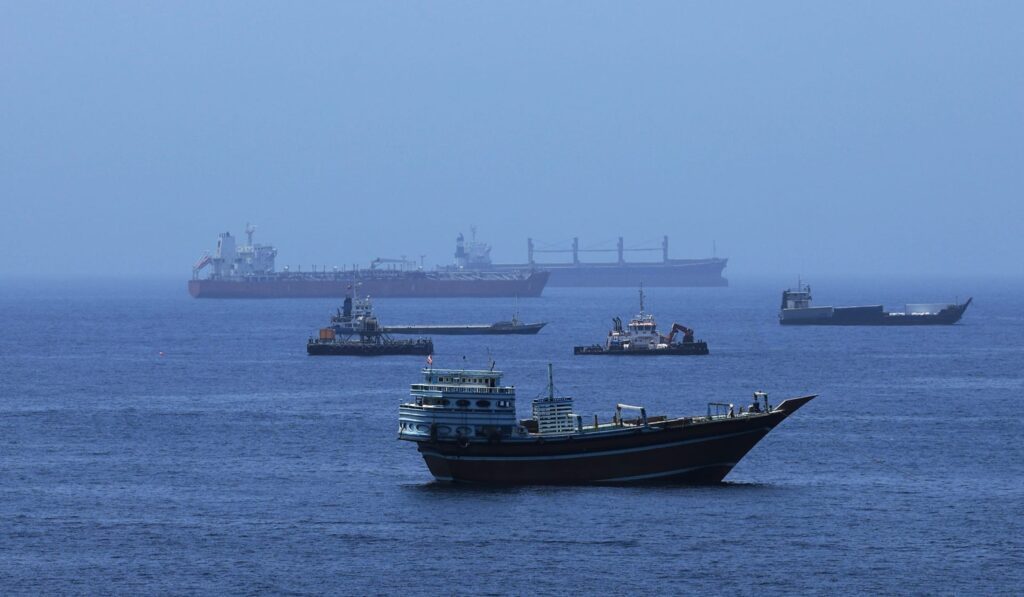
Fresh US military strikes on Iran and the resumption of a naval blockade at the Strait of Hormuz have triggered a sharp rise in oil prices and a flight from emerging market assets.
The United States has launched fresh military strikes against Iran and resumed a naval blockade around the Strait of Hormuz, plunging one of the world’s most critical energy corridors into renewed conflict. US Central Command said overnight operations targeted an Iranian submarine and a naval maintenance facility in response to attacks on commercial shipping.
President Donald Trump announced the US would become the "guardian" of the strait and impose a 20 percent charge on passing cargo, though enforcement details remain unclear. Iran’s Foreign Minister Abbas Araghchi rejected the claim, insisting Tehran has "always been the guardian of the strait." The Islamic Revolutionary Guard Corps retaliated with attacks on US military facilities in Jordan, Bahrain, and Kuwait, alongside strikes on radar installations in Oman.
The confrontation immediately disrupted global energy trade. Ship-tracking data shows transit traffic remains significantly below normal levels. Because roughly one-fifth of the world’s oil and liquefied natural gas exports typically pass through the strait, the threat of sustained supply disruptions pushed crude prices roughly 4 percent higher.
The surge in energy costs and escalating geopolitical risk triggered a clear flight to safety, heavily weighting on emerging market assets. The South African rand fell 0.5 percent against the US dollar as investors shifted toward safer havens. Analysts noted the currency's decline was driven entirely by external Middle East tensions rather than domestic economic factors.
For markets, the collapse of ceasefire efforts represents a significant upside risk to global inflation and freight costs. While some commercial vessels continue to transit the route, a protracted military campaign near the strait leaves energy supply chains highly vulnerable.
Other Market Moves
Volkswagen Group is preparing to cut up to 100,000 jobs worldwide, doubling the 50,000 reductions previously planned for Germany by 2030. Chief Executive Oliver Blume told staff the automaker's operating costs are roughly 20 percent higher than competitors, necessitating deep restructuring. Operating profit has collapsed from €22.6 billion in 2023 to €8.9 billion last year, driven by a 26 percent drop in Chinese first-half deliveries and higher US tariffs. Blume warned that four German factories, including electric vehicle plants in Zwickau and Emden, face an uncertain future.
Fast-fashion retailer Shein is moving closer to its long-awaited initial public offering as Executive Chairman Donald Tang prepares to step down. Tang, who served as the company's public face for three years, will transition to a senior advisory role. His departure leaves open the question of whether founder Sky Xu will take a more prominent role in managing investor relations ahead of the listing.
The European Union has sanctioned Sudan’s gold sector, banning the purchase, import, or transfer of Sudanese gold within the bloc. The measures also prohibit the export of mercury and cyanide used in mining, aiming to cut off a key revenue stream funding the country’s civil war.