North Sea oil lobby urges Burnham to clear Jackdaw gas project
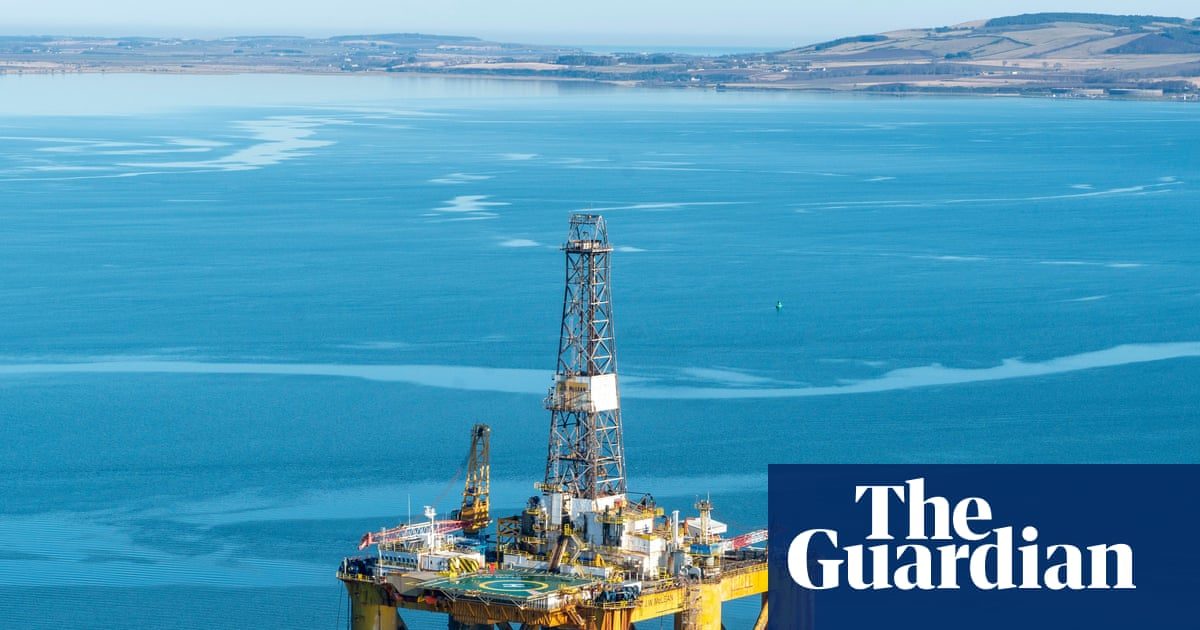
Offshore Energies UK and trade unions are lobbying the incoming prime minister to approve key drilling projects as Britain grapples with electricity prices 45% above the G7 median.
Offshore Energies UK (OEUK) and more than 10 affiliated business groups have written to over 400 Labour MPs, urging the incoming prime minister to permit expanded oil and gas drilling in UK waters. The letter, also signed by the GMB trade union, targets Andy Burnham just days before he is expected to take office.
The lobbying effort centres on the fate of two major developments, Rosebank and Jackdaw, which have remained in limbo since Labour took power. While the government has pledged to ban new exploration licences, both projects were granted licences under the previous administration. Energy Secretary Ed Miliband, who previously called the developments "climate vandalism", is now reportedly willing to consent to Jackdaw.
Approval of Jackdaw would be an immediate market signal, as the project could start supplying gas to British homes as early as this coming winter. Rosebank, by contrast, would primarily produce oil for export to European refineries and requires a longer timeline to come online.
The industry's push aligns with broader pressure on Burnham to reduce the UK's heavy industrial electricity costs. A joint report by the CBI and Energy UK found that Great Britain's electricity prices are roughly 45% above the G7 median. Louise Hellem, chief economist at the CBI, said reducing these costs must be "a day-one priority" to prevent them from acting as "an anchor weighing down productivity and competitiveness across the whole economy."
OEUK argued that the UK “will continue to need oil and gas for decades to come,” framing domestic production as a buffer against volatile overseas imports. Steve Elliott, chief executive of the Chemical Industries Association, said backing North Sea resources alongside renewables is about "strengthening industrial competitiveness, protecting jobs and reducing reliance on imports in an increasingly volatile world."
Environmental groups have pushed back against this economic framing. Robert Palmer, deputy director of Uplift, argued that new drilling "will do little for energy security" and urged the government to ignore the "special pleading" of fossil fuel companies in favour of investing in future industries like wind manufacturing.
Burnham has explicitly pledged to reverse decades of deindustrialisation and "safeguard sovereign manufacturing and production capability" in critical sectors, including energy. Whether he views domestic fossil fuel extraction as compatible with that industrial strategy remains a pressing question for energy markets and investors.