Seoul law change targets SK Hynix $268bn chip expansion
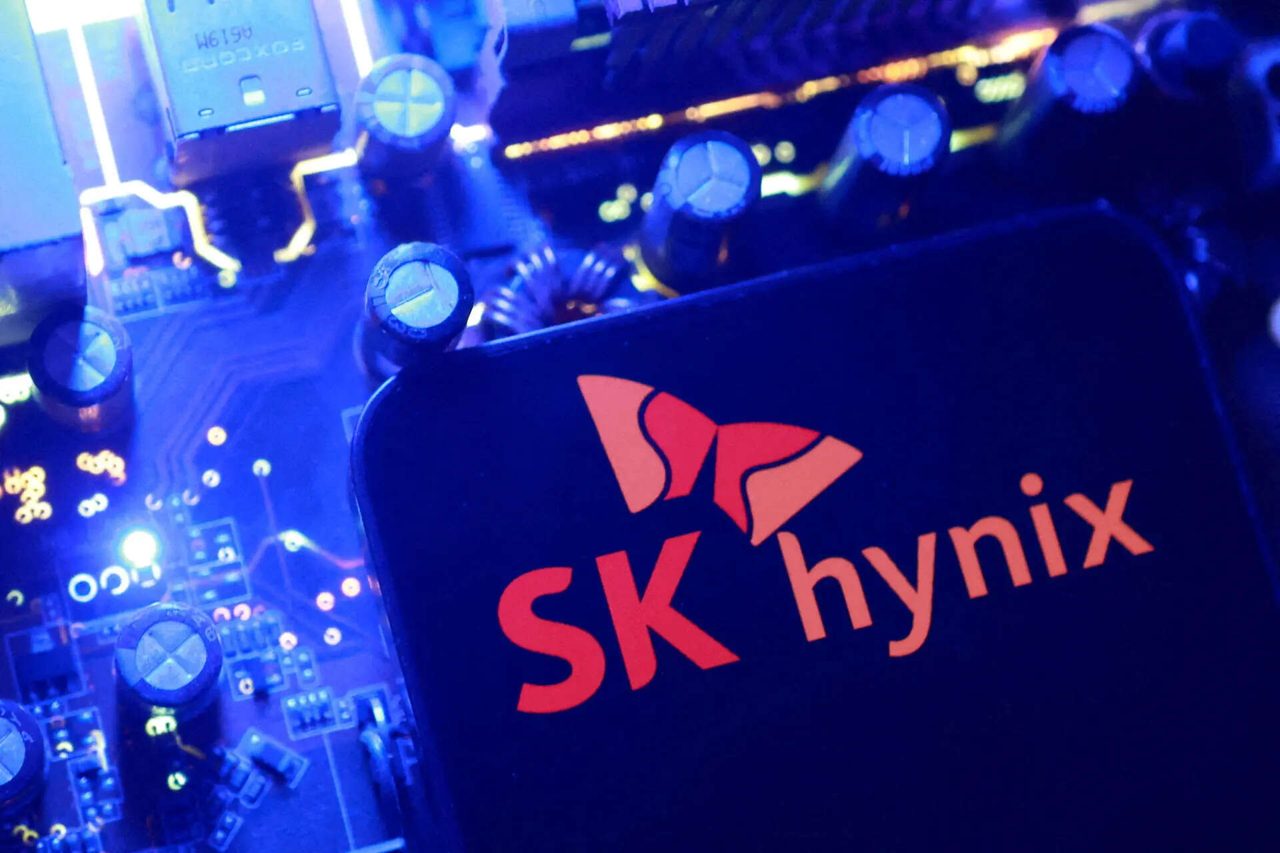
South Korea’s ruling party has proposed a targeted legal amendment to allow SK Hynix to bring in outside investors for new factories, a crucial step to help the Nvidia supplier fund its massive $268 billion expansion plan.
South Korea’s ruling Democratic Party has introduced legislation to amend rules governing strategic technology industries. The proposed change would specifically allow SK Hynix, a leading high-bandwidth memory supplier for Nvidia's AI processors, to attract outside capital for new fabrication plants while retaining at least a 50% stake in those joint ventures.
The intervention is necessary because current South Korean law explicitly prohibits a sub-subsidiary from executing such a capital-raising move. Because SK Hynix sits two layers below its ultimate parent, it is a unit of SK Square, which is in turn a unit of SK Inc, it is effectively barred from using joint ventures to fund new capacity without legislative relief.
This legislative fix highlights the distinct corporate governance structure of the SK group relative to other major South Korean conglomerates. Competing chaebols typically exert control over their prized units through a complicated web of cross-shareholdings rather than direct, layered ownership. As a result, the proposed amendment almost exclusively benefits SK Hynix by resolving its specific structural bottleneck.
Unlocking this joint venture mechanism is critical given the sheer scale of the capital required. SK Hynix secured $26.5 billion in a high-profile US share sale just last week, but the financial demands of the current semiconductor cycle far exceed that figure. The government is actively pushing to establish new semiconductor production sites in the country's southwest to secure global supply chains.
To support this national strategic push, both SK Hynix and rival Samsung Electronics have committed to massive investments. Each company has pledged 400 trillion won, equivalent to roughly $268 billion, to build out their respective chip manufacturing capacities. For SK Hynix, the ability to bring in outside partners for individual fabs could significantly reduce the strain on its balance sheet.
Despite the highly supportive political and fiscal backdrop, the company's equity valuation is currently facing downward pressure. SK Hynix's Seoul-listed shares dropped 8.6% during Tuesday trade, adding to steep losses from Monday. The selloff reflects a cooling of investor enthusiasm now that the initial euphoria surrounding the company's Nasdaq debut has fully faded.