Social Security funding gap widens amid reform debate
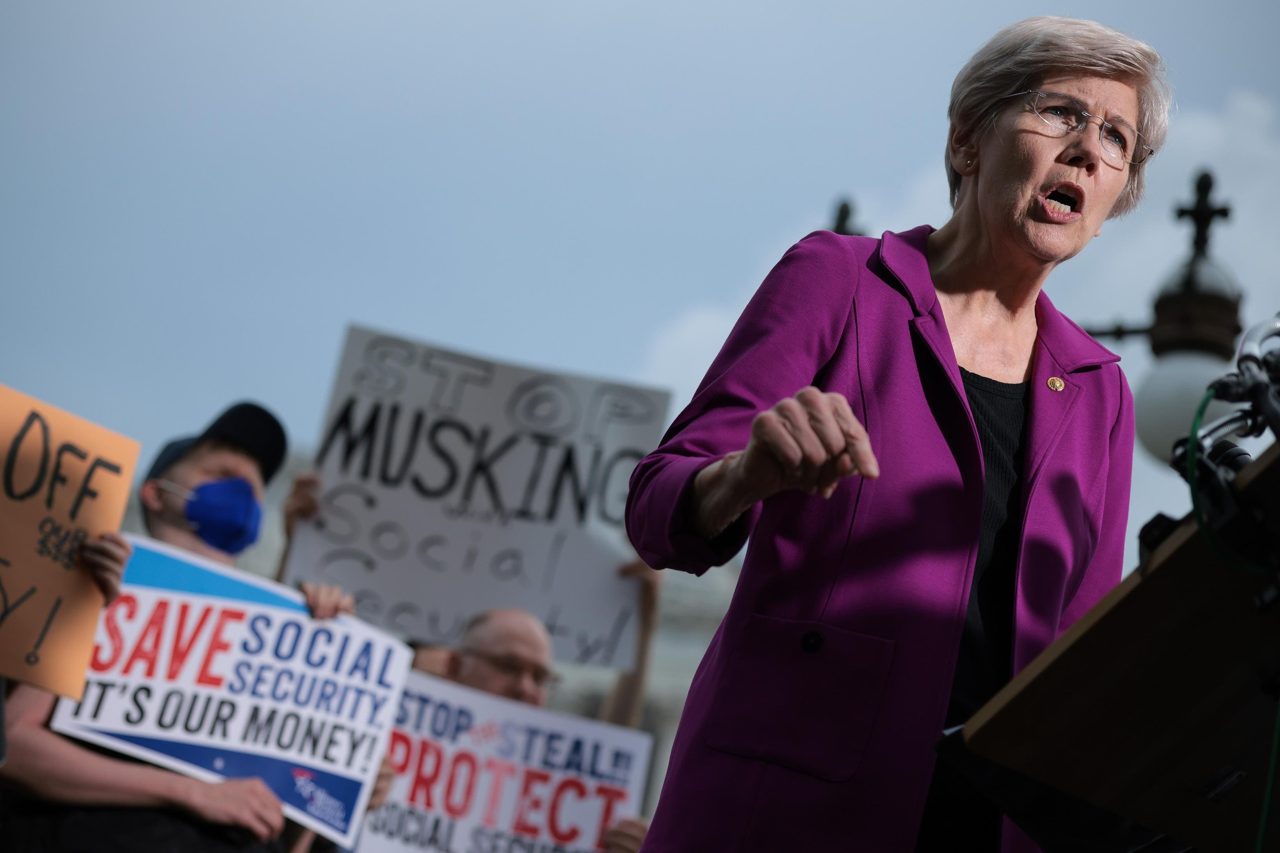
The US Social Security system is funding just 91.2% of its costs through payroll taxes, putting a 28% benefit cut or major structural overhaul on the table by 2032.
The US Social Security system covered only 91.2% of its expenditures through payroll tax revenue in 2024, accelerating the timeline toward a severe funding cliff. The Congressional Budget Office now projects the system’s Trust Fund will be depleted by 2032, at which point benefits face automatic reductions of up to 28%.
The structural imbalance stems from shifting demographics and rising costs. The proportion of Americans over 65 has grown from 6.3% in 1936 to 18.9% today, with projections hitting 22.0% by 2040. This has collapsed the ratio of paying workers to beneficiaries from 16.5 to one in 1950 to just 2.7 to one currently, a figure expected to fall to 2.3 to one by 2035. Consequently, the combined payroll tax rate has climbed from 3.0% in 1950 to 15.30% today without closing the gap.
Because the Trust Fund does not hold external assets but rather intragovernmental debt, the system is effectively already funded by general debt issuance. The federal government is running deficits around 6% of GDP, meaning the cash shortfalls since 2010 have directly added to the national debt.
Lawmakers are exploring various interventions to prevent the 2032 cliff. One proposal involves removing the income cap on payroll taxes, which the Tax Foundation called "the largest tax increase in decades, and it still wouldn’t save Social Security." Another suggested fix is a flat universal payout for seniors, which would reduce benefits for higher-income earners who currently receive the largest payments.
Market observers suggest the ultimate resolution may be a shift toward a privatized "provident fund" system. Similar to structures in Singapore, Mexico, India, and Kenya, this would function as a universal 401(k) invested directly in private sector assets. One calculation indicates that if current retirees had invested their lifetime payroll taxes into private accounts, the average balance would reach $3.7 million, yielding roughly $15,523 monthly.
While current elevated equity valuations make that specific figure optimistic, it highlights the potential capital accumulation under a privatized model. Such a transition would redirect a massive, sustained flow of capital away from government debt and into private markets. The federal government now spends 23% of GDP, compared to 2.5% in 1913, meaning any resolution to Social Security's shortfalls will dictate the future tax burden on corporations and the pace of US debt issuance.