FCC clears Reflect Orbital to test $5,000/hr space mirrors
California startup Reflect Orbital has secured FCC approval to test a satellite mirror selling nighttime sunlight for $5,000 an hour, exposing a regulatory loophole as scientists warn its planned 50,000-satellite fleet threatens global food security and ecosystems.
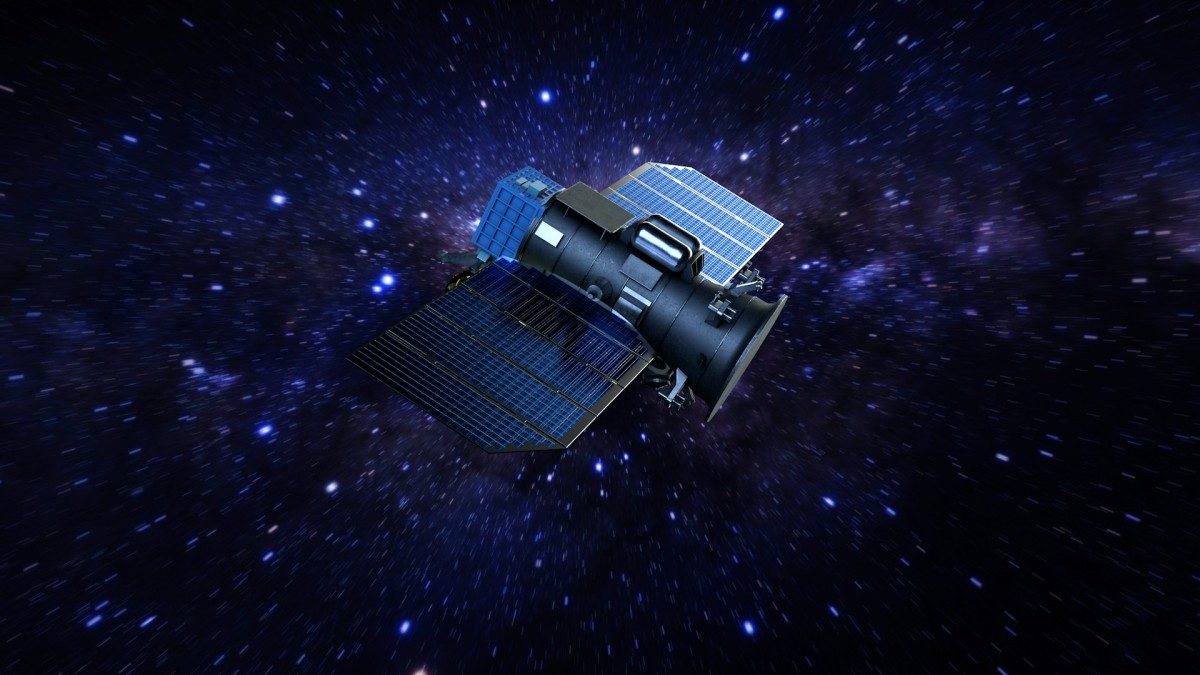
The US Federal Communications Commission has granted California-based Reflect Orbital permission to test an 18-metre-wide mirror satellite in low Earth orbit before the end of the year. The approval comes after the startup raised a $20 million Series A in May 2025 to accelerate the development of its technology.
Reflect Orbital intends to deploy its Eärendil-1 demo satellite to redirect sunlight onto areas between 5 km and 6 km wide. The company will adjust the brightness from a full moon to full noon, selling the reflected light to solar farms and municipalities at up to $5,000 an hour.
If the pilot succeeds, the commercial upside is substantial. Reflect Orbital plans to launch 1,000 satellite mirrors by 2028 and scale to 50,000 units by 2035. The company expects to build mirrors up to 55 metres wide for its final constellation, which the European Southern Observatory estimates would produce a beam appearing four times brighter than the full Moon.
The FCC justified its approval by noting the project could advance American leadership in space, arguing that space is not subject to the same environmental laws as Earth. This regulatory stance offers a clear pathway for early testing, but it has drawn intense scrutiny from the scientific community that could complicate future scaling.
The agency received over 1,800 comments regarding the satellite. Presidents of four international scientific societies representing roughly 2,500 researchers across more than 30 countries have petitioned the FCC for a full environmental review and strict limits on satellite reflectivity.
“It is clear that the activities that Reflect Orbital is proposing will have an impact on the Earth environment, including on human health, agriculture and wildlife, in addition to astronomy,” said Roohi Dalal, director of public policy at the American Astronomical Society.
Scientists warn that flashing light beams could blind pilots and disrupt astronomical research. More critically for commodities and agriculture markets, researchers argue the artificial light will interfere with circadian rhythms, plant growth, and marine phytoplankton that support ocean food webs.
“We’re saying, please think before you go through with this, because this could have global implications for things like food security. Plants need the night. You can’t just get rid of it,” said Charalambos Kyriacou, president of the European Biological Rhythms Society.
Reflect Orbital is not the only firm betting heavily on orbital infrastructure. SpaceX has proposed launching up to 1 million satellites to build a solar-powered orbital computing network for artificial intelligence. The plan aims to lower the energy demands of terrestrial data centres, though its existing Starlink network of nearly 10,000 satellites already faces space congestion concerns.
“The satellites will actually be so far apart that it will be hard to see from one to another. Space is so vast as to be beyond comprehension,” Elon Musk wrote on X in January.
For investors, these space-based energy and computing ventures present a high-risk, high-reward proposition. While the revenue potential for orbital services is vast, the lack of environmental safeguards and escalating scientific opposition signal significant regulatory hurdles ahead.
“We’re grateful to the FCC for recognising the importance of testing novel technologies in space,” said Ben Nowack, co-founder and CEO of Reflect Orbital. The company maintains its pilot will collect data to prove its light beam safeguards work, but environmentalists also note the carbon emissions from rocket fuel required to launch tens of thousands of satellites could undermine the clean energy premise.