FIFA Abandons $20 Billion Commercial Rights Sale After Continental Boycotts
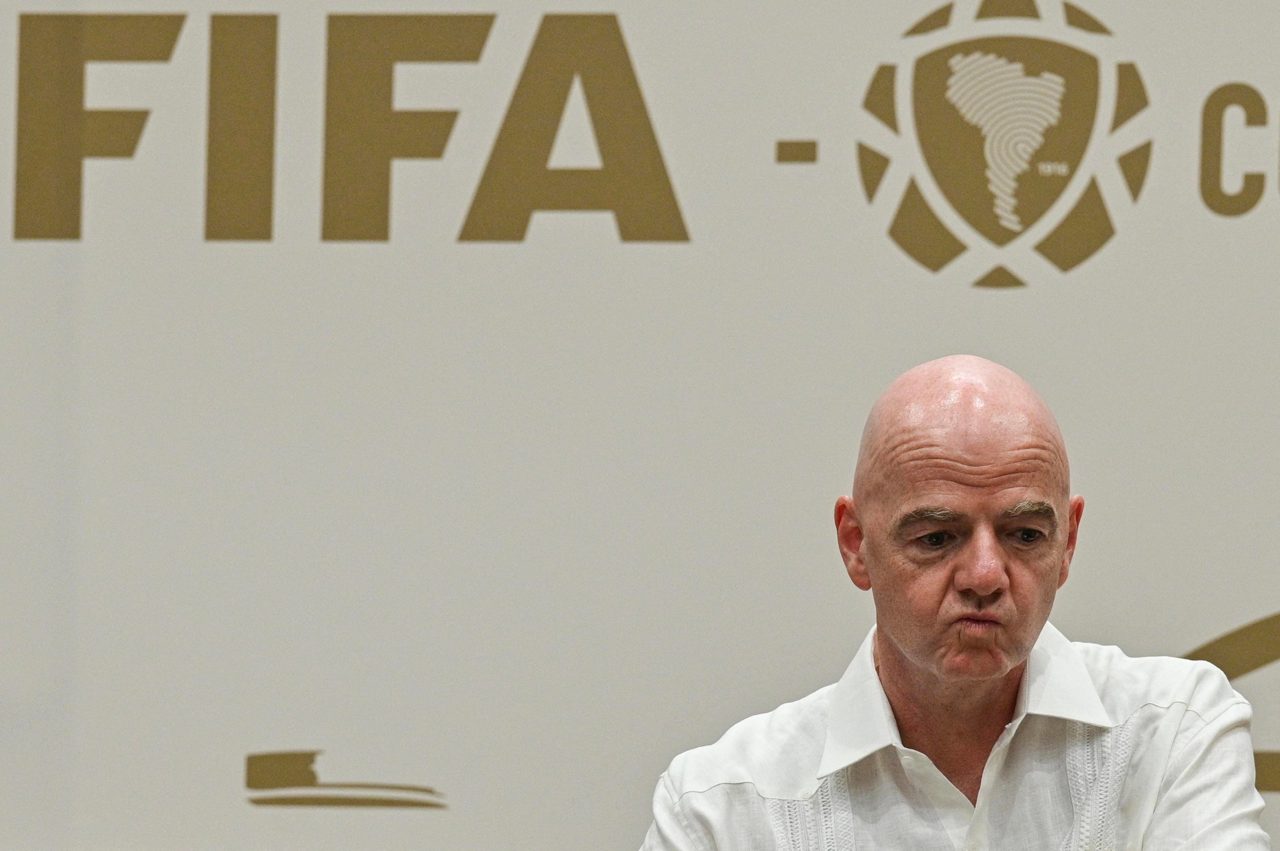
FIFA president Gianni Infantino has scrapped a $20 billion private equity deal for the organization's commercial rights after a unified boycott threat from major continental confederations exposed the limits of his executive authority.
FIFA president Gianni Infantino has abandoned a plan to sell a stake in the organization’s commercial rights, including the World Cup, to private equity investors. The decision follows a rapid and unified rebellion from major continental soccer governing bodies that threatened to boycott FIFA competitions.
The scrapped initiative would have placed FIFA’s most valuable assets into a newly formed $20 billion entity. Under the proposed structure, outside investors were slated to hold a 20 percent stake in the company, a move Infantino argued would accelerate capital investment and unlock long-term revenue streams.
Instead, the proposal triggered an unprecedented coalition against the organization. UEFA voted to boycott FIFA events, while CONCACAF and the Asian Football Confederation quickly aligned with the European stance.
This near-global rejection highlights the severe governance risks inherent in monopolistic sports organizations attempting rapid financialization. For institutional investors and corporate sponsors, the collapse demonstrates that even the world's most lucrative sporting properties cannot bypass the political consent of their primary regional stakeholders to restructure foundational assets.
The financial structure also faced intense scrutiny due to the involvement of Joshua Kushner’s investment firm. The association with a prominent American investment group linked to President Donald Trump complicated the commercial rationale, elevating concerns regarding transparency and political influence.
Infantino attempted to reframe the retreat as a commitment to consensus. “Having listened carefully to all the views, it has become clear that the project has created divisions of a nature that, regardless of the level of support, are no longer in the interest of the objective set out in the first place,” he stated.
He added that his intent is to “bring all interested parties back together … in the spirit of shared interest in our game, and with the objective to continue growing football everywhere.” However, the rapid dismantling of the deal underscores a shift in power dynamics ahead of the next presidential election, which will be decided by the organization’s 211 members.
Infantino has historically relied on a centralized approach to push transformative commercial ventures with limited prior consultation. The failure of this private equity initiative signals that his executive authority is now constrained by a newly emboldened coalition of regional executives. This dynamic introduces significant uncertainty into the long-term commercial strategy and future revenue distribution models of global soccer. It remains to be seen whether this episode will develop into a formal challenge for the presidency, though the quick collapse of the proposal proves a dominant leader cannot override unified resistance.