Chinese household wealth pivots from property to cash
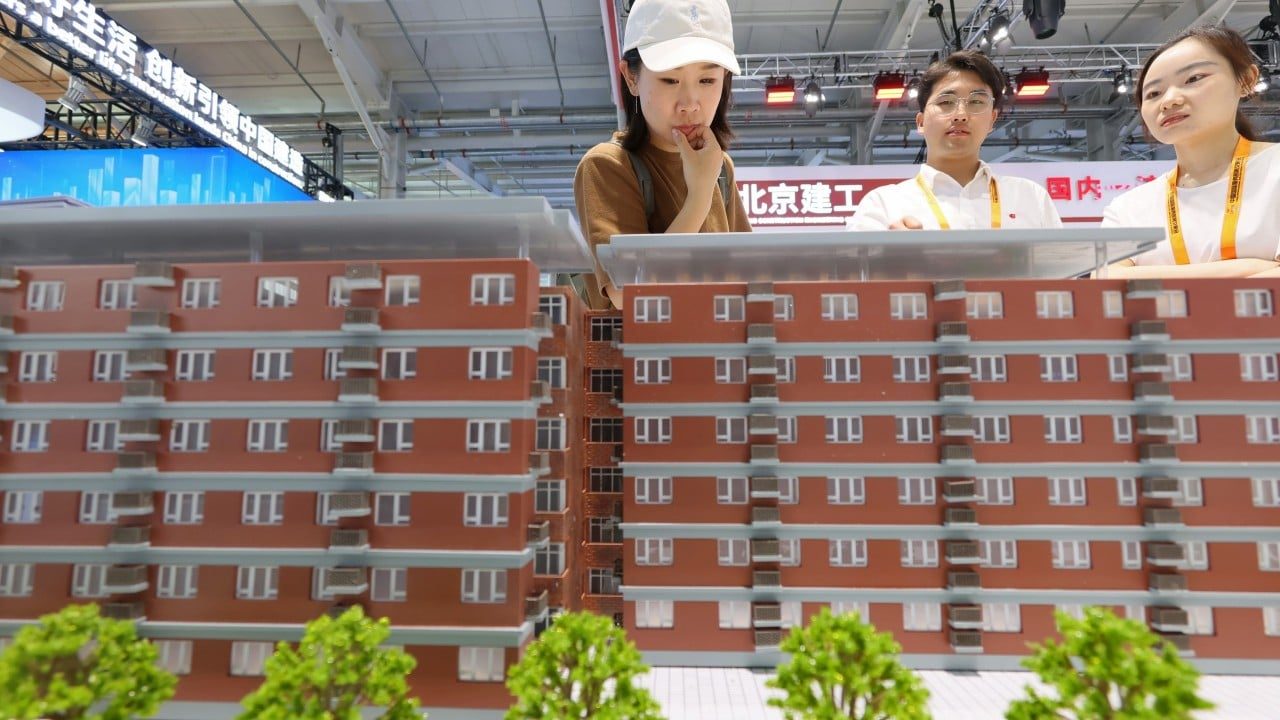
Chinese families are shifting a historic amount of wealth out of real estate and into cash, a structural trend that limits the domestic equity market's ability to absorb the capital.
Chinese household wealth is undergoing a structural shift away from real estate, with cash and bank deposits absorbing the vast majority of redirected capital. According to a June report by Goldman Sachs, property's share of household assets fell to 52 per cent in the first quarter of 2026, down sharply from 67 per cent in mid-2021. Over the same timeframe, cash and bank deposits surged to 25 per cent from 16 per cent.
This reallocation carries significant implications for capital markets and broader economic growth. As the property boom reverses, an increasing volume of wealth is sitting idle in savings accounts rather than funding productive corporate investment or consumption. The macro-level data directly reflects individual financial decisions driven by deteriorating rental yields.
Yu, a Beijing homeowner, exemplifies this changing risk-reward calculus. She is currently considering selling her apartment, valued at 2.1 million yuan (US$310,260). The property generates just 4,500 yuan in monthly rent, translating to an annual yield of 2.6 per cent. For homeowners facing such low returns, the capital tied up in physical real estate looks increasingly inefficient.
However, the domestic equity market has captured almost none of this exiting property wealth. Direct stock holdings among Chinese households edged up only marginally to 6 per cent in the first quarter of 2026, from 5 per cent in mid-2021. Goldman Sachs notes that merely a quarter of Chinese adults participate in the equity market at all.
This divergence highlights a deep-seated risk aversion among retail investors. Rather than stepping up to buy equities, families are prioritizing capital preservation. For market participants, the takeaway is clear: the massive transfer of wealth out of Chinese real estate is currently a story of hoarding, not a catalyst for a broad retail-driven equity rally.