US Treasury purchases yen to support currency near four-decade low
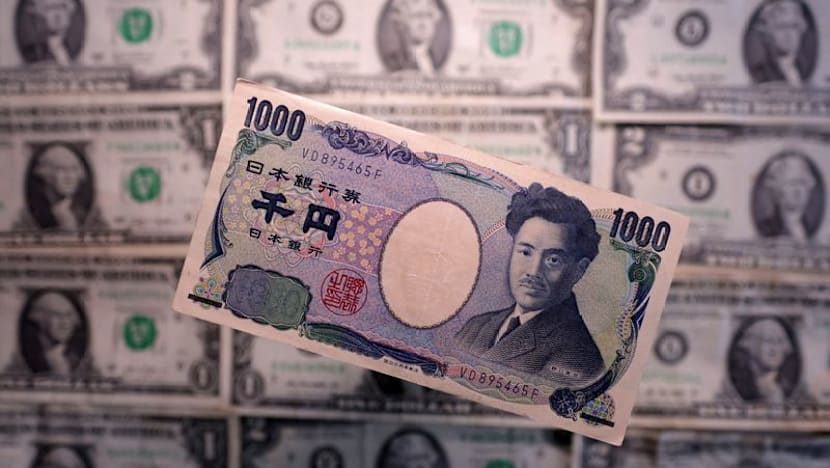
The United States Treasury has executed outright purchases of the yen through the New York Federal Reserve, marking a rare coordinated effort with Tokyo to arrest the currency's slide to four-decade lows and stabilize global foreign exchange markets.
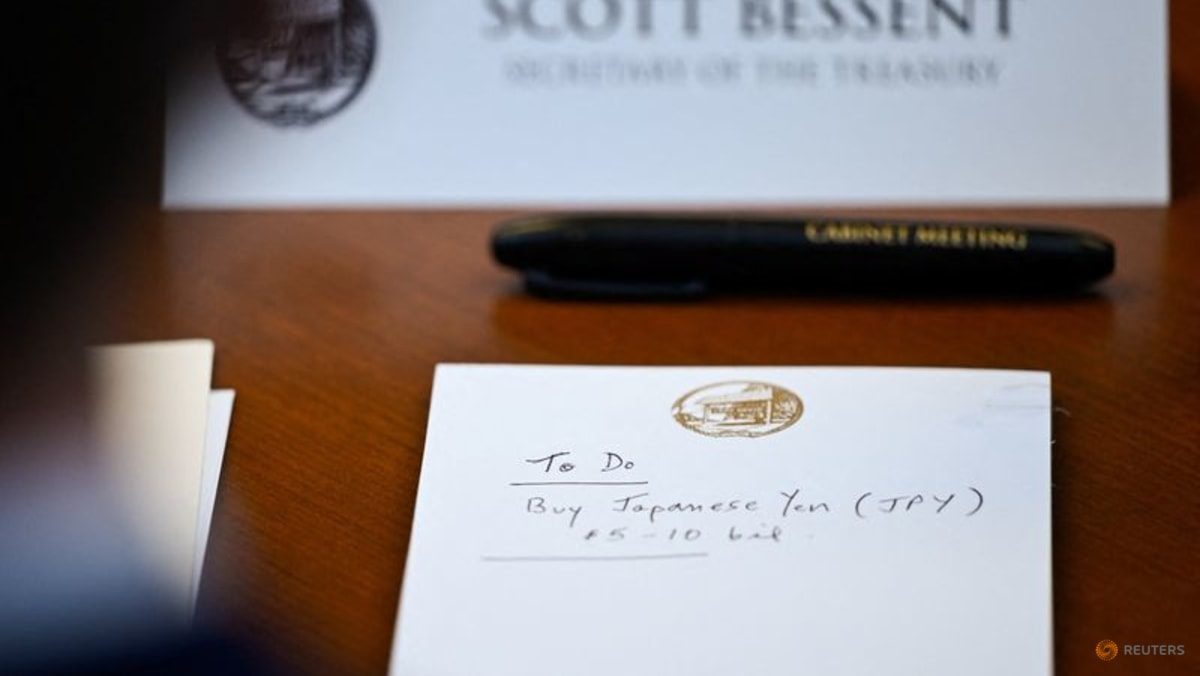
The United States Treasury executed outright purchases of the Japanese yen on Friday to arrest its slide toward a four-decade low. The operation was conducted by the Federal Reserve Bank of New York, which sold euros to acquire the yen on behalf of the government.
Goldman Sachs and Morgan Stanley acted as the executing dealers for this cross-currency transaction. The Treasury, the New York Fed, and Morgan Stanley were unavailable for comment outside regular business hours. Goldman Sachs declined to comment on its role in the market operation.
This direct market action followed a clear warning from the Treasury to various banks earlier in the day. Officials informed financial institutions that intervention was possible and instructed them to "stand ready for future action." This explicit signal immediately pushed the yen higher against the dollar as traders adjusted their positions.
The American move represents a rare and significant coordination with Japanese authorities, who are also aggressively defending their currency. Central bank data indicates Japan may have sold up to $58.97 billion to purchase yen on Thursday alone, signaling repeated efforts to stem the weakness.
For global investors, asset managers, and multinational corporations, this dual intervention signals a hard floor being established by the world's leading economies. It demonstrates that policymakers are willing to deploy substantial foreign exchange reserves to prevent disruptive currency volatility from worsening domestic inflation and complicating trade dynamics.
The explicit instruction for banks to prepare for further action suggests this may not be an isolated event. Corporate treasuries and hedge funds must now carefully recalibrate their hedging strategies, knowing that sovereign actors are actively participating in the market to counter speculative downward pressure.
Ultimately, the deployment of up to $58.97 billion in Japanese funds alongside direct American purchases alters the risk calculus for the foreign exchange market. Investors will now be closely watching for any follow-up communications from the Treasury to gauge the duration of this coordinated defense.