US Defense Pivots to Recycling to Cut China Reliance
Washington is reclassifying recycling from an environmental pursuit to a national security imperative to bypass China's dominance in critical mineral processing, creating new opportunities for industrial investors.
Washington is reclassifying recycling from an environmental pursuit to a national security imperative. The strategic pivot aims to bypass China's dominance in critical mineral processing and secure domestic supply chains for aluminum, lithium, copper, and tin.
Beijing commands the refining stages that turn raw ores into the building blocks of modern defense and technology. While US policymakers have focused on permitting new mines or securing foreign concessions, they are now recognizing that post-consumption materials represent an untapped strategic reserve already inside the national economy.
For market participants, this policy shift transforms recycling from a waste-management sector into industrial infrastructure. Companies specializing in collection logistics, materials recovery, and secondary processing are now positioned at the intersection of federal industrial policy and defense procurement.
Aluminum illustrates the immediate commercial opportunity. The metal is indispensable to fighter aircraft, drones, and satellites, but domestic primary smelting capacity has deteriorated over two decades. Constructing new smelters requires billions of dollars and massive electricity inputs, making secondary recycling a far faster solution.
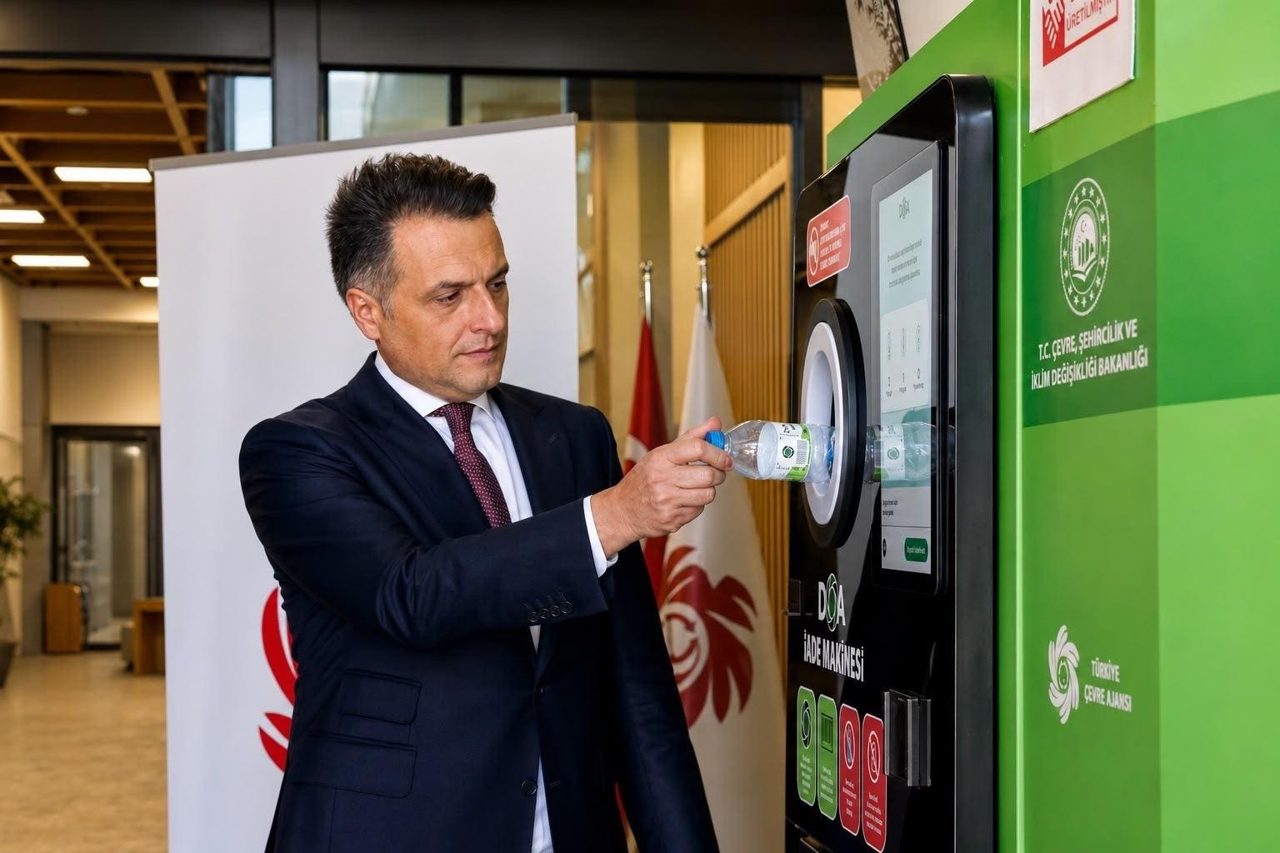
A federal Deposit Return Scheme could rapidly scale aluminum recovery without taxpayer funding. Türkiye offers a proven, privately financed model utilizing QR codes, digital tracking, and reverse vending machines that issue refunds to digital wallets.
The approach has spawned a new manufacturing ecosystem. “Over the past two years, several Turkish manufacturers have successfully completed the required certification processes and now produce reverse vending machines domestically,” said Nurullah Özturk, President of the Turkish Environmental Agency. “This transforms the principle of 'the polluter pays, the recycler benefits' into a sustainable economic model rather than simply an environmental slogan.”
Türkiye expects its system to add at least $1 billion annually to its economy once fully operational. For US investors, similar frameworks present a clear pathway to monetize discarded lithium batteries and e-waste, converting geopolitical vulnerabilities into reliable domestic feedstock.