Virginia Imposes First US Data Center Power Tax
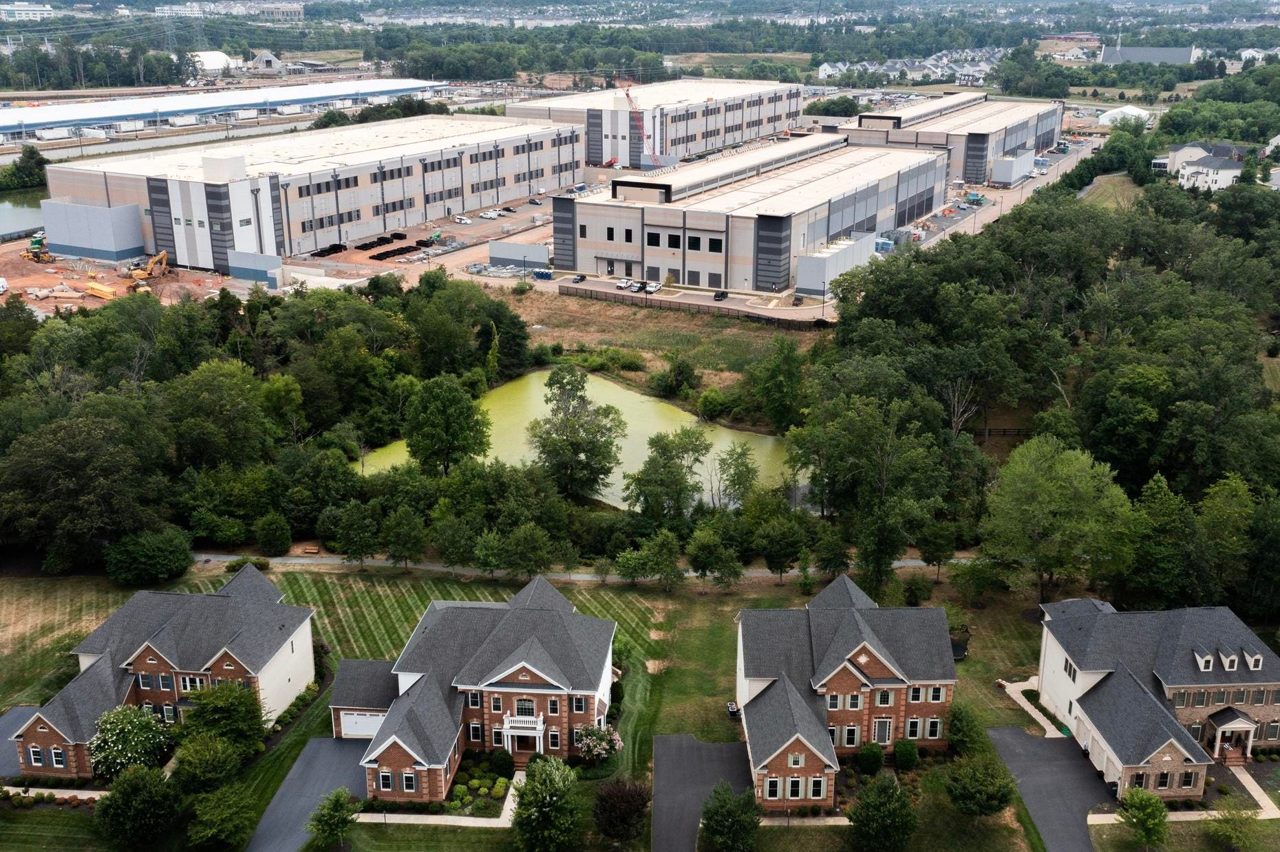
Virginia's new levy on data center electricity consumption marks the end of treating power as a cheap, invisible input for the AI boom, exposing investors to mounting grid and political risks.
Virginia enacted a 1.1 cent per kilowatt-hour tax on data center electricity use starting July 1, 2026, becoming the first US state to levy a charge directly on such power consumption. The move breaks from a decade-long consensus that server farms deliver pure economic upside to host communities.
At scale, the levy is substantial. A 100-megawatt site running at full capacity faces an annual bill of about $9.6 million, while a gigawatt campus approaches $96 million. Virginia limited the broader fiscal impact by capping general-fund revenue at $600 million a year, refunding excess collections to operators and preserving equipment sales-tax exemptions. The tax is authorized through June 30, 2028.
The policy reflects a shifting economic calculus. For most of the last decade, steady data center demand spread the grid's large fixed costs across a bigger base, lowering average retail rates. A June 2026 EPRI working paper found this dynamic held from 2015 to 2024, but noted the benefit only applies while the system has spare capacity.
That spare capacity is now gone. A federal laboratory analysis forecasts US data center electricity demand hitting 325 to 580 terawatt-hours by 2028, up from 176 terawatt-hours in 2023. To accommodate single campuses that require power on the scale of a city, utilities must build extensive new infrastructure, navigating transformer lead times that stretch into years.
The cost of this buildout is already bleeding into wholesale markets. A Dallas Fed working paper estimates existing data centers have raised national wholesale electricity prices by 3% to 5%. Under a high-utilization scenario, those prices could approach a 50% increase by 2028.
For investors, the financial risk extends well beyond Virginia's tax. When utilities upgrade grids for massive loads, regulatory structures often allow those costs to enter the broader rate base, meaning residential customers subsidize infrastructure they do not use. This cost-socialization is driving fierce political backlash. Organized opposition now spans 49 states, and legislators filed more than 300 data-center bills in the year's first six weeks.
Project pipelines are stalling. Data Center Watch reports opponents blocked or delayed at least $130 billion worth of data center projects in the first quarter of 2026 alone, matching its tally for all of 2025. North Carolina recently repealed its electricity tax exemption for data centers while keeping capital incentives, signaling a broader regional reevaluation of subsidy structures.
Virginia’s tax will not directly lower household bills because the revenue goes to the state, not ratepayers. However, it serves as a clear warning to capital markets. "If you're underwriting a data center, or a deal that leans on one, power can't be a fixed line at the bottom of the model. It needs its own risk column."