DoorDash CEO admits surprise at consumer delivery fee tolerance
DoorDash's top executive revealed he initially doubted fast-food delivery would work, highlighting a shift in consumer spending habits that underpins the delivery giant's current pricing power.
DoorDash chief executive Tony Xu has admitted he did not anticipate the extent to which consumers would absorb premium delivery fees. Speaking on the Uncapped with Jack Altman podcast published on Tuesday, Xu conceded that the current pricing model defied his early expectations for the business.
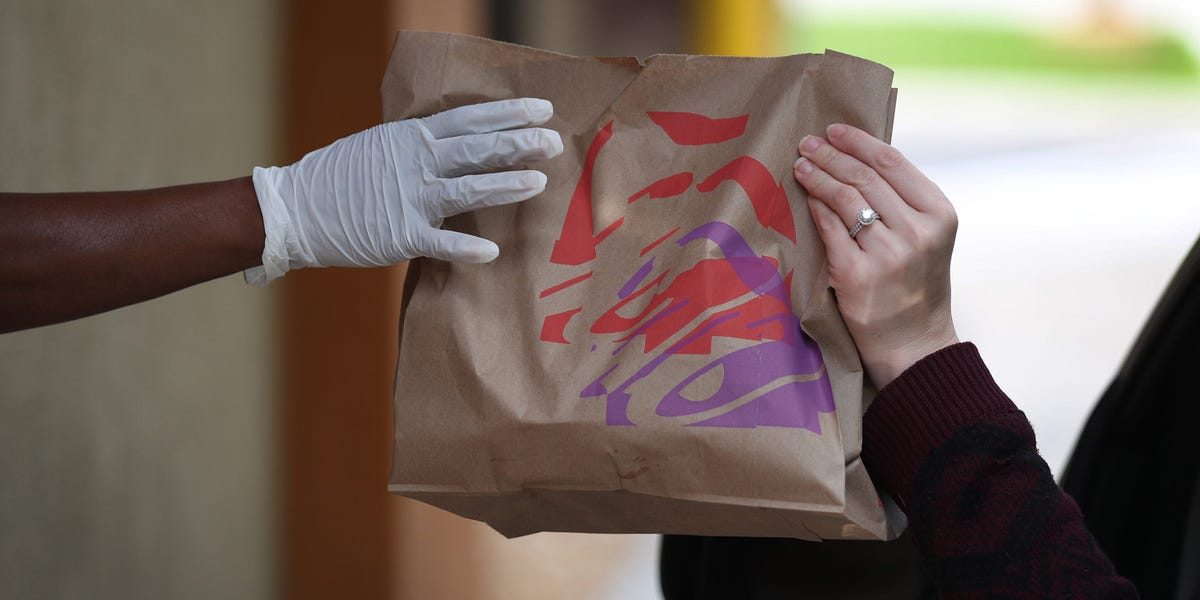
Xu pointed to a July 2015 partnership with Taco Bell as the moment of his greatest uncertainty regarding consumer behavior. The agreement covered 90 cities across California and Texas. Crucially, it marked both DoorDash's first national delivery partnership and the first time Taco Bell had struck a delivery agreement with a third-party service.
The core concern was whether the math would work for inexpensive fast food. Customers were required to pay both a delivery fee and higher item costs compared to dining in. "I was actually quite skeptical whether or not it would work," Xu said. Asked if this level of consumer spending was obvious back in 2013, Xu told Altman: "No, it was not obvious."
That early skepticism has since been replaced by broad market acceptance, validating the unit economics of fast-food delivery. DoorDash now delivers Taco Bell nationwide and works with other major national chains including McDonald's and Subway. The platform's confidence in consumer tolerance for these costs prompted a fee structure adjustment earlier this month to better align charges with order size and delivery distance.
For market participants, the sustained willingness to pay for delivery carries notable macroeconomic implications. Diners continue to absorb these premiums even as other essential living costs, particularly housing and car ownership, have increased. Altman observed that this pattern of prioritizing delivery convenience amid broader financial pressure is "a little counterintuitive."
Xu attributes the spending to the sheer frequency of meals and the value of time. People make decisions about what to eat 20 to 25 times a week, creating friction that delivery eliminates. Consumers are trading the cost of delivery for time previously spent cooking or driving, a shift that means delivered meals are "not an indulgence anymore," Xu said. "People always want to find a way to feel good."