Saudi Crude Tankers Reroute Around Africa to Evade Houthi Attacks
Saudi Arabia is rerouting crude exports around Africa and through Egyptian pipelines to avoid Houthi attacks in the Red Sea, a shift that adds weeks to voyages and threatens to tighten global tanker capacity.
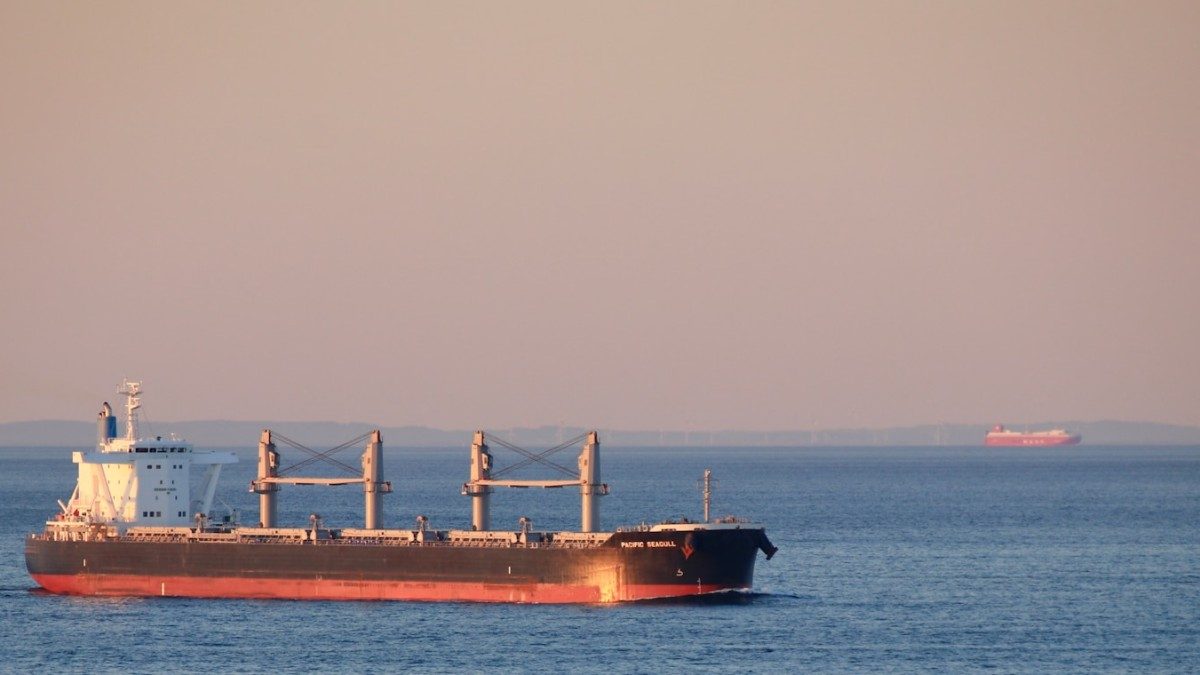
Six empty Saudi oil tankers have abruptly turned away from the Bab el-Mandeb Strait in the Arabian Sea, opting instead for the lengthy journey around the southern tip of Africa. The vessels are currently tracking toward major refueling hubs, specifically Gibraltar and the South African ports of Durban and Algoa Bay, according to vessel-tracking data. This highly unusual maneuver for Middle East crude loaders marks a direct response to escalating security risks in the region.
The detour follows a declared blockade by Iran-aligned Houthi forces in Yemen and actual attacks on Saudi tankers in the southern Red Sea last week. Rather than risking the critical Bab el-Mandeb chokepoint, Saudi Arabia is executing a two-pronged logistical pivot to keep its exports moving. Alongside the tankers circumnavigating Africa, the kingdom is heavily utilizing Egyptian infrastructure to safely bypass the threat zone.
Saudi Arabia is now shuttling crude from its Yanbu terminal to the Egyptian port of Ain Sukhna on the Red Sea. From there, the oil is transferred through the SUMED onshore pipeline, emerging at Egypt's Sidi Kerir port on the Mediterranean. Vessel-tracking data indicates that at least eight empty very large crude carriers are signaling Sidi Kerir as their destination, with arrivals expected over the next two to three weeks. Furthermore, at least one laden tanker carrying Saudi crude to Asia has already been forced to take the much longer route through the Suez Canal, the Mediterranean, and around Africa.
For investors and physical oil traders, these routing changes represent a meaningful shift in supply chain dynamics that will likely increase the delivered cost of Saudi crude. Forcing supertankers to bypass Bab el-Mandeb adds a minimum of two weeks to a typical voyage, effectively trapping vessel capacity and reducing the number of active ships in the global fleet. Should these Red Sea disruptions persist, the resulting logistical bottlenecks and higher fuel consumption could provide persistent upward pressure on global oil freight rates.