Kansas City's $700M soccer infrastructure bet pays off at World Cup
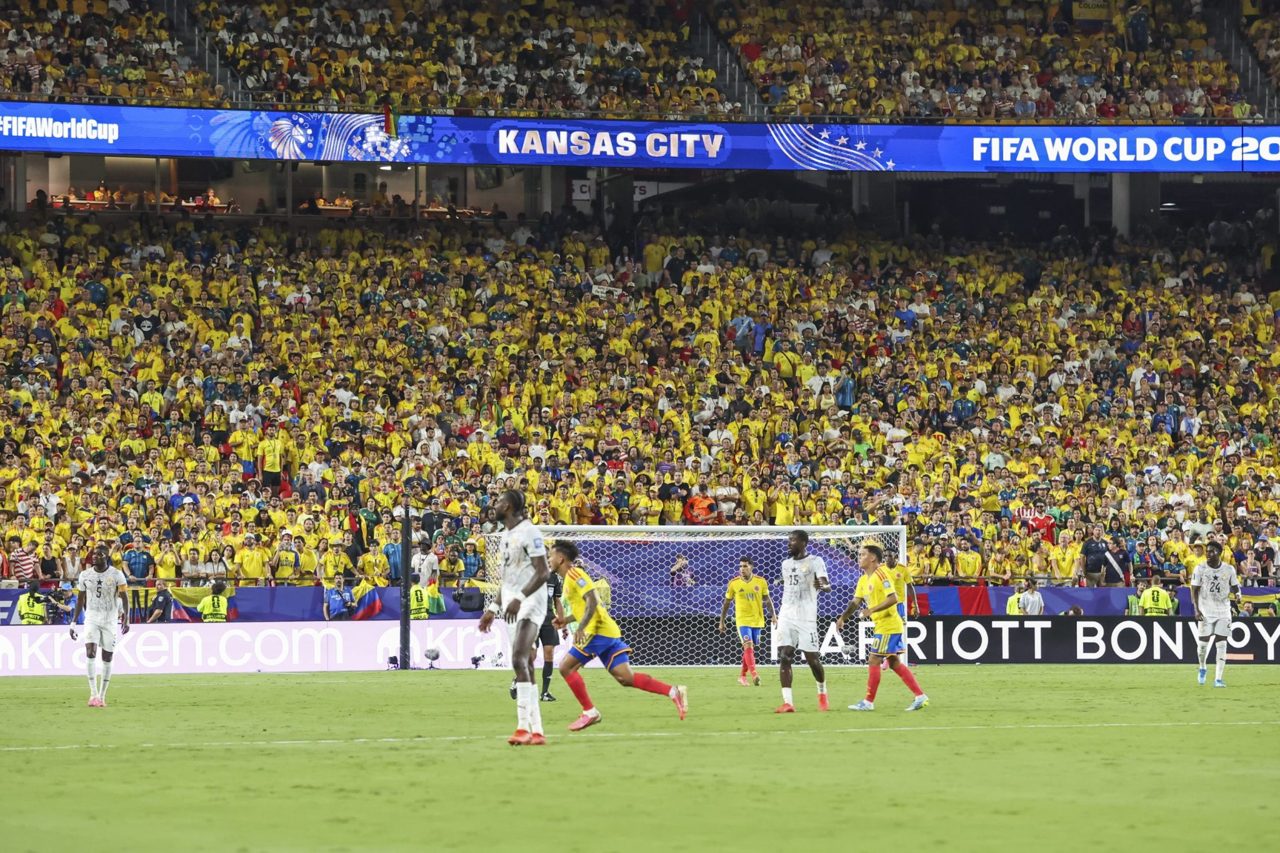
Kansas City is leveraging a decade of $700 million in soccer infrastructure investments to host World Cup matches and base camps, turning a tournament that left most U.S. host cities facing heavy financial shortfalls into a global branding coup.
Kansas City, the smallest of the 16 North American World Cup host cities with a metro population of 2.2 million, is currently hosting six matches. The schedule includes a Lionel Messi quarterfinal projected by FIFA to draw a billion viewers, alongside base camps for defending champion Argentina, England, and the Netherlands. Local organizers estimate half a million visitors will pass through the region during the tournament.
The city's presence on the global stage is a direct result of Chicago abandoning its bid. Former Mayor Rahm Emanuel rejected FIFA's demands to waive taxes, absorb security costs, and sign contracts without indemnity protections. With FIFA routing an estimated $8.9 billion to itself while U.S. host cities face a collective shortfall exceeding $250 million, the financial exposure was too high for an established global hub.
For Kansas City, the calculation was fundamentally different. The region had already poured $700 million into soccer infrastructure over the past 15 years, well before securing the host designation. “Chicago doesn’t need the World Cup to write another chapter of its greatness on a global scale,” said Tim Cowden, president and CEO of the Kansas City Area Development Council. “Kansas City—we seized it, and we’re leveraging it to the hilt.”
That pre-existing capital expenditure proved decisive for national teams choosing their bases. To accommodate the Dutch, the Kansas City Current invested an additional $52 million to construct a separate training facility and 2,000-seat stadium. “Your facilities are great, everybody we’ve met has been so welcoming. But the number one thing they said was, ‘It feels like home,’” said Mark Jorgensen, KC2026’s board president and a former U.S. Bank executive vice president.
Executing the tournament required solving complex logistical hurdles in a car-dependent region spanning two states and 18 counties with no public transit to the stadium. KC2026 established a Joint Operations Center to coordinate law enforcement and track up to 20 simultaneous vehicle escorts across state lines.
Former Kansas City Federal Reserve President Esther George, now KC2026’s treasurer, framed the strategy as consistent with the region's historical approach to long-term capital deployment. “One thing to understand about Kansas City is it’s always started with what I call infrastructure or the foundation,” she said. Local economic capture also extends beyond the turnstiles, as 13 of the 16 North American World Cup stadiums were designed at least in part by Populous, a Kansas City-based architecture firm.