Record Danube drought threatens Hungarian nuclear output and grain exports
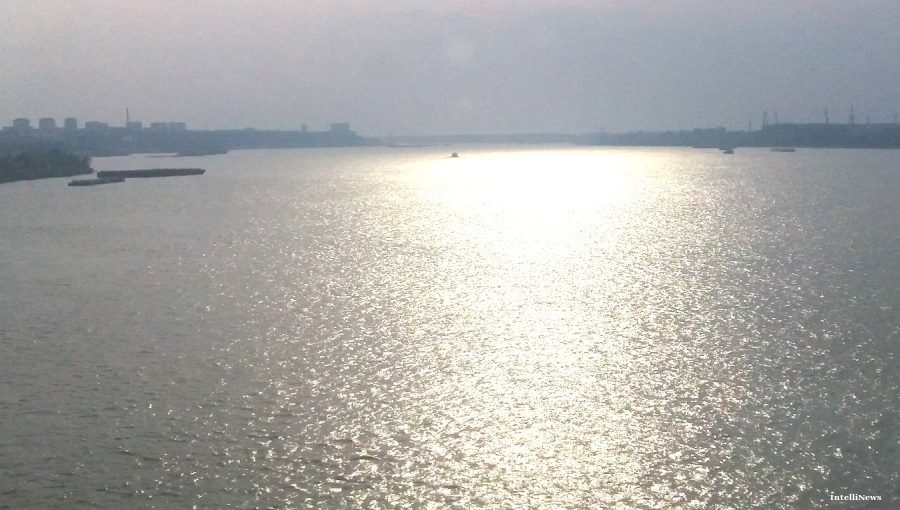
Historic low water levels on the Danube are forcing the shutdown of major nuclear reactors in Hungary and Romania while severely restricting agricultural freight, exposing critical vulnerabilities in Europe's energy and supply chain infrastructure.
Historic low water levels on the Danube are forcing the shutdown of major nuclear reactors in Hungary and Romania while severely restricting agricultural freight. The crisis exposes critical vulnerabilities in Europe's energy and supply chain infrastructure as extreme heat grips the continent.
Hungary’s Paks nuclear power plant, which supplies nearly half of the country's peak summer electricity, faces a complete shutdown within days. Prime Minister Peter Magyar confirmed the gradual closure of the four-reactor, 2 GW facility due to insufficient cooling water, noting the river has fallen 24 cm below its 2018 record low.
A separate 400 MW technical failure at the Dunamenti Power Plant has further strained the grid just as evening peak demand is expected to hit 7,200 MW. The government activated a three-stage emergency plan to maximize imports and reduce industrial consumption, with Magyar urging the public to "act responsibly" by delaying air conditioning and electric vehicle charging.
Downstream in Romania, operators took the first reactor at the Cernavoda nuclear plant offline on July 28 because of diminished river flow, leaving a single unit to generate power. Similar climate pressures forced France to temporarily shutter three reactors and reduce output at eight others to ensure discharged cooling water remained within environmental limits.
The drought is equally damaging to the Danube’s role as a vital export corridor for Central European grain. Barges transporting wheat, maize, and oilseeds to the Black Sea port of Constanța are operating at just 10% to 40% of their normal capacity, sharply driving up logistics costs.
Shifting freight to rail or road is possible but substantially more expensive, a cost increase that threatens the global competitiveness of Central European agriculture. In Serbia, water levels near Bezdan dropped to minus 131 cm, prompting local emergency declarations and warnings of a total navigation halt.
For investors and policymakers, the simultaneous disruption across power and transport networks highlights the financial risks of climate-driven infrastructure obsolescence. Scientists note that current temperatures have broken historical distribution patterns, suggesting that assets built for past climate conditions will require costly adaptation to survive future extremes.
Magyar criticized previous administrations for failing to build a €28 million pumping station that could have delayed the Paks shutdown. He alleged that the state utility MVM instead spent hundreds of billions of forints on politically motivated advertising and sports sponsorships, promising an investigation into those expenditures.