BP divests North Sea assets as energy shocks and AI volatility test markets
Corporate earnings and asset strategies are being reshaped by Middle East energy shocks, while extreme volatility in artificial intelligence equities and aerospace supply chains highlights growing market fragility.
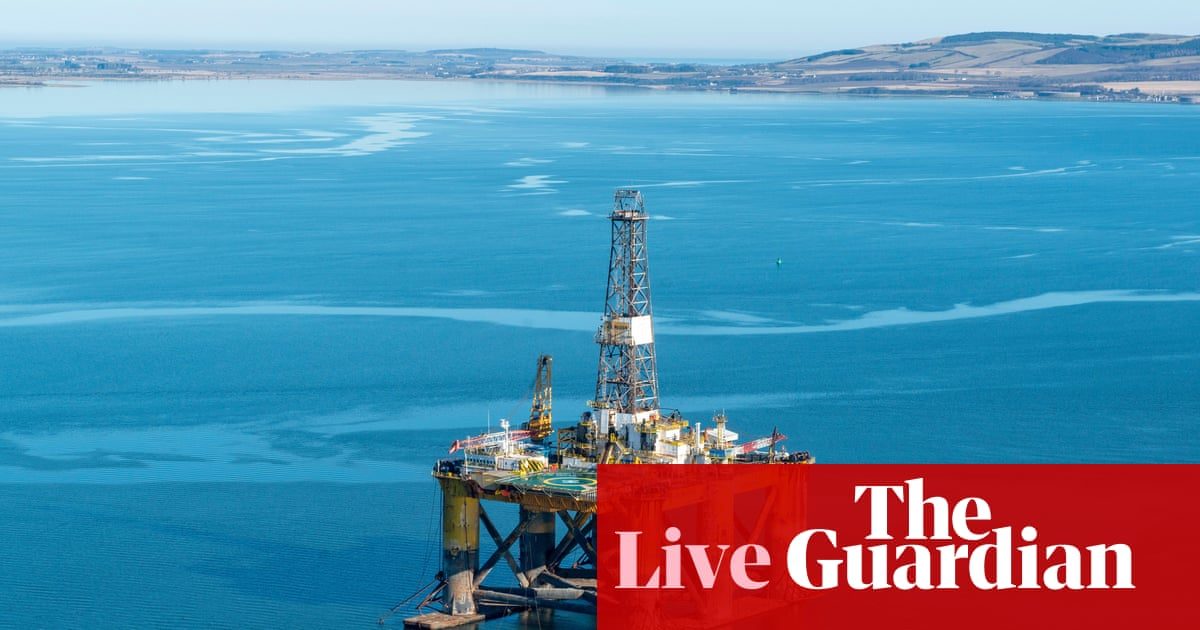
BP is selling its North Sea oil business to redirect capital toward higher-return opportunities. Concurrently, International Airlines Group reported a steep profit decline as Middle East conflicts drive up aviation fuel costs.
Chief executive Meg O’Neill stated the North Sea operation would be better positioned under a new owner. The divestment follows Prime Minister Andy Burnham’s signal that the UK government may permit more extraction to manage elevated energy prices.
The energy shock is severely impacting airline profitability. IAG saw first-half profits fall 21% to €1bn despite a 1% revenue increase to €16bn.
The carrier group expects no passenger capacity growth this year after the closure of the Strait of Hormuz significantly increased fuel expenses. Chief executive Luis Gallego noted that the company’s fundamentals remain strong enough to support shareholder value despite the geopolitical crisis.
Aerospace supply chains are also facing localized disruptions. Melrose Industries paused a £175m share buyback after a chemical tank leak at its California facility halted production and incurred substantial costs.
The incident at the Garden Grove site resulted in £16m of lost revenues and £13m in exceptional costs, with up to £30m more expected in the second half. Chief executive Peter Dilnot confirmed that partial production has resumed as the company works to restore full output.
Broader economic caution is simultaneously stifling the UK property market. Nationwide reported that annual house price growth slowed to 1.8% in July, with the average home costing £277,542.
Chief economist Robert Gardner attributed the soft market to volatile interest rate expectations driven by global energy tensions. Prospective buyers remain hesitant amid the ongoing conflict between the US and Iran.
In equity markets, extreme volatility defined the trading week. South Korea’s Kospi index recorded its largest single-day gain in history, rising 17.91% on Friday following steep declines earlier in the week.
The surge was driven by massive rallies in artificial intelligence chipmakers, with SK Hynix and Samsung Electronics posting gains of 30% and 28% respectively. Oxford Economics director Sergi Lanau warned that sentiment remains frothy and leveraged traders are actively exiting the market.
Authorities in Seoul have moved to tighten restrictions on leveraged exchange-traded funds following the wild swings. Lanau noted that the ongoing exit of burned traders provides sufficient reason to lower the firm's broader emerging market weight to neutral.