Strait of Hormuz Traffic Halves as Maritime Warfare Reshapes Trade
Disrupted maritime chokepoints are forcing shipping companies and investors to price in permanent logistical redundancies, higher insurance costs and structural shifts away from traditional sea routes.
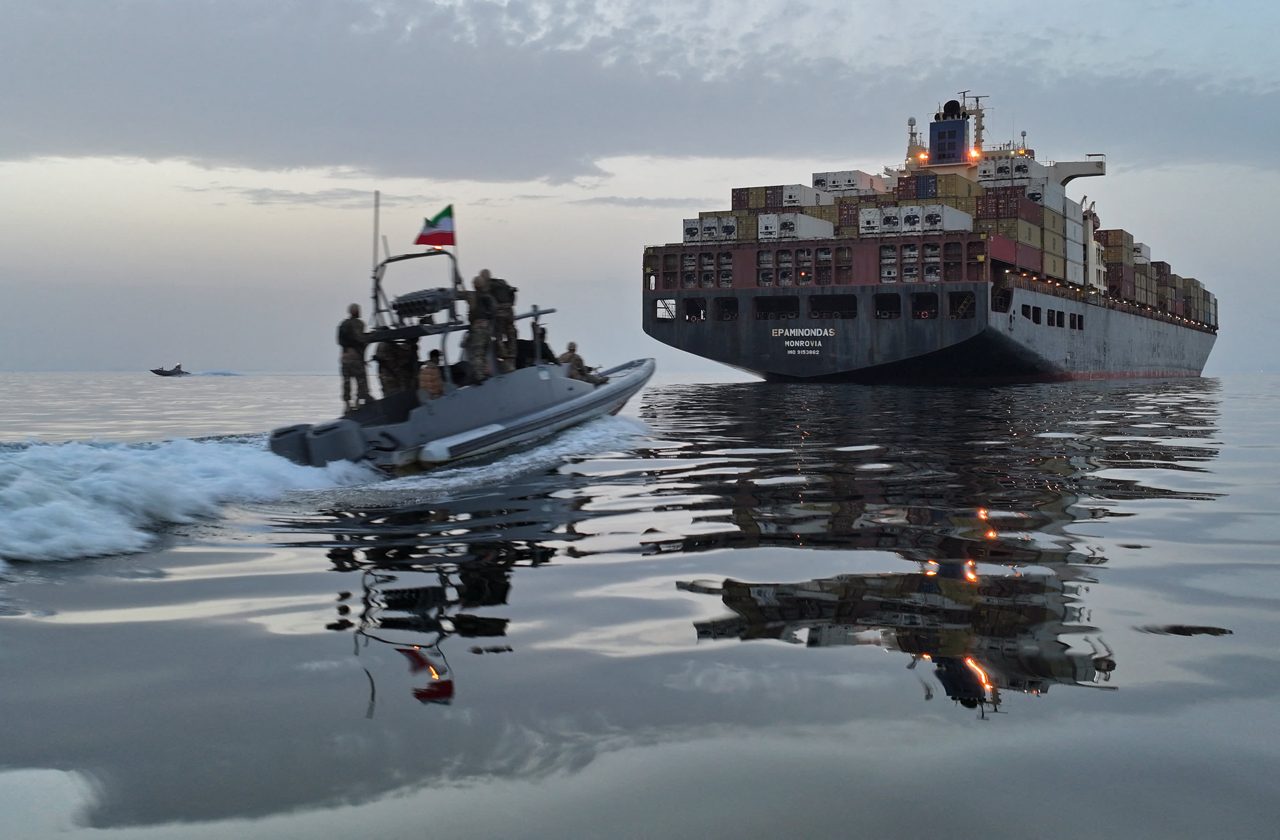
Traffic through the Strait of Hormuz is running at roughly half its normal flow following the breakdown of a ceasefire, adding immediate cost and delay for clients in the energy, food, and electronics industries.
The physical closure of the waterway is less relevant than the financial one. "A strait does not close when missiles fly; it closes when insurers stop writing cover," said Alain Bejjani, a Dubai-based investor and business executive. While war risk insurance remains available, a spokesperson for insurance broker Gallagher noted that rates have climbed significantly, and only a handful of ship owners are currently opting to transit the strait.
This is not an isolated incident. "We often treat the Strait of Hormuz, the Black Sea, or Bab el-Mandeb as isolated events. They are not," said Daejin Lee, global head of research at Fertistream Freight. Roughly 80% of global merchandise trade by volume moves by sea, leaving global supply chains highly exposed to a new era of drone and missile warfare targeting economic infrastructure.
The economic fallout extends to critical commodities. In the Black Sea, Ukrainian drone strikes represent the first maritime offensive conducted almost entirely with such weapons. Quantum Strategy estimates 25% to 30% of Russia's Black Sea oil exports and a quarter of its grain exports are at risk. Because Russia grows more than a fifth of internationally traded wheat, the disruption threatens global food prices.
Supply chain executives are already looking past current hotspots. "If you're talking about the next flashpoint, I wouldn't look at the Strait of Hormuz. I would look at the Panama Canal," said Lars Jensen, CEO of Vespucci Maritime. Geopolitical disputes involving the US, China, and Panama, combined with potential weather-related restrictions, could further strain capacity.
For companies, the result is a permanent increase in the baseline cost of logistics. "We are planning on a steady state of transportation uncertainty and costs associated with reroutings, inventory buffering, and shipping surcharges," said Kevin O'Marah, chief research officer at Zero100.
The shift is driving a massive reallocation of capital toward infrastructure alternatives. "Past crises produced hedges. This one is producing an architecture: overland corridors, bypass pipelines, forward storage near the markets that matter most," Bejjani said. "It will cost heavily, take a decade, and ripple for decades more." Bejjani warned that while shipping will maintain its volume edge, it is likely to "lose its monopoly on trust." "The strait will reopen," he said. "The assumption that it stays open for free will not return."