US box office on track for first $10bn year since pandemic
A summer powered by Nolan's The Odyssey and an incoming Spider-Man release has pushed domestic ticket sales past $3 billion, putting the industry within reach of a milestone not seen since before COVID.
The US domestic box office has crossed $3 billion for the summer as of late July, putting the industry on a plausible path toward its first $10 billion full-year total since the pandemic. The surge is driven by an unusually broad slate of hits and a demographic shift that defies assumptions about younger consumers: Gen Z now accounts for nearly 40% of North American moviegoers.
Christopher Nolan's The Odyssey is the statistical anchor of the season. The R-rated, nearly three-hour epic dropped just 27% in its second weekend to roughly $90 million—a hold that places it alongside Top Gun: Maverick among the strongest-legged tentpoles of recent years. Major blockbusters typically fall 50% or more in week two. The film sits near $700 million globally and is expected to reach $1 billion.
"They're not gonna let that thing leave theaters until it hits $1 billion," said Paul Dergarabedian, head of marketplace trends at Rentrak.
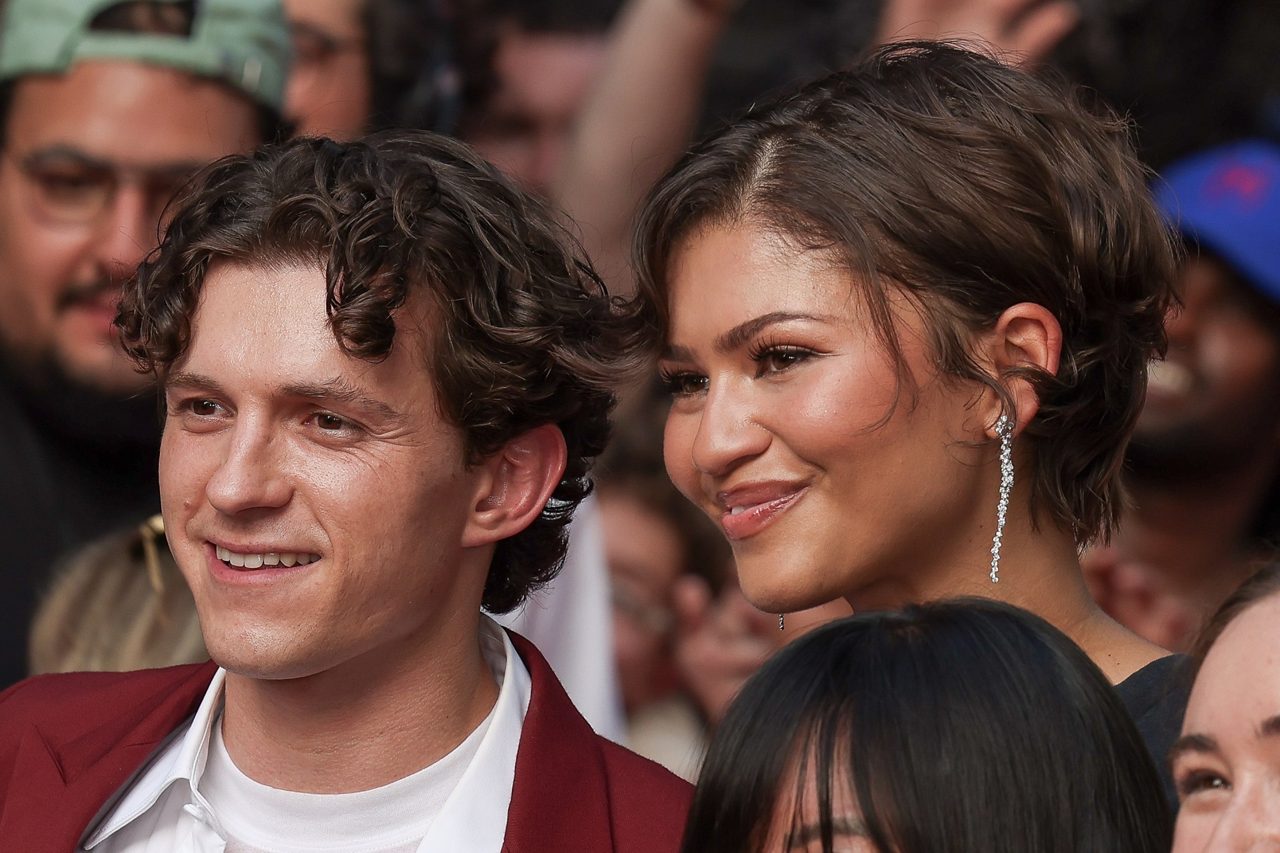
Spider-Man: Brand New Day opens July 31 with tracking in the $200 million to $250 million domestic range, which would make it the largest opening of 2026. Rather than cannibalising The Odyssey, the two films are functioning as complementary draws. Shared cast members including Zendaya, Tom Holland and Jon Bernthal link the releases, creating what Dergarabedian described as a Barbenheimer-like cultural pairing.
"Clearly, if you put all superhero movies into one bucket, that's a big mistake," he said. "It's not superhero fatigue. It's bad marketing or bad movie fatigue."
Beyond the tentpoles
The summer's strength extends well beyond franchise properties. The Devil Wears Prada 2 outperformed last year's Marvel entry Thunderbolts. Lower-budget genre titles including Backrooms, Obsession and Iron Lung—several from creators with YouTube followings—have drawn younger audiences in significant numbers. Even relative disappointments like Moana and Supergirl failed to pull the aggregate downward.
The Gen Z question
A 2026 Fandango survey found 87% of Gen Z respondents had seen at least one film in theatres in the past year, outpacing millennials, with the cohort averaging roughly seven annual trips. Dergarabedian linked part of this to an analog turn among younger consumers, pointing to Nolan's refusal to use generative AI and his insistence on film and practical effects as qualities that resonate with a generation raised on algorithmic content.
"Small-screen creators are helping to power a big-screen moment," he said.
The path forward
The domestic summer benchmark stands at $4 billion, leaving a roughly $1 billion gap. Dergarabedian called the target achievable if Spider-Man opens as expected and August delivers—a $1 billion August has happened only twice. A full-year $10 billion total would represent a stark recovery from the $2.3 billion floor of 2020, approaching the pre-COVID standard of $11 billion. Since 2020, the industry has cleared $9 billion only twice.
For exhibition and studio investors, the critical question is durability. The Gen Z attendance data and the appointment-viewing dynamics around The Odyssey suggest a structural element to this recovery, not merely a function of strong individual titles—though a return to pre-streaming norms remains distant.