Meta Shares Drop as Surging AI Capital Expenditure Crushes Free Cash Flow

Meta’s shares fell sharply after second-quarter free cash flow nearly vanished due to a doubling in capital expenditure, signaling a structural shift in the tech giant’s financial model as it pivots to heavy AI infrastructure investment.
Meta shares dropped as much as 10 percent in after-hours trading Wednesday before settling down 7 percent, driven by a severe contraction in free cash flow. Despite a 28 percent year-over-year revenue increase that beat expectations, the company’s operating income fell 8 percent and net income dropped 14 percent. Free cash flow for the quarter amounted to just $784 million, a stark contrast to the $12 billion average recorded over the previous eight quarters.
The primary driver of this margin compression is a massive surge in capital expenditure, which reached $31.1 billion in the second quarter, nearly double the amount spent a year earlier. Meta’s operating cash flow of $31.9 billion was almost entirely consumed by investments in AI infrastructure, including servers, data centers, and chips. Consequently, depreciation and amortization rose 46 percent year over year to $6.4 billion.
While overall revenue grew, the core Family of Apps segment, which includes Facebook and Instagram, saw operating income decline to $23.4 billion from $25.0 billion. The company is generating revenue but retaining significantly less of it. This marks a departure from the highly profitable advertising model that previously allowed Meta to stockpile cash.
To fund this capital-intensive transition, Meta has fundamentally altered its financing strategy. The company issued $24.9 billion in long-term debt during the quarter and suspended its share repurchase program, a sharp reversal from the more than $10 billion in stock bought back a year earlier. Chief Financial Officer Susan Li stated the company is deliberately moving toward a greater mix of debt to fund long-life infrastructure projects.
The financial strain is expected to persist for the remainder of the year. Meta raised its full-year capital expenditure guidance to a range of $130 billion to $145 billion, having already spent $50.9 billion in the first half. With remaining quarterly spending projected between $39 billion and $47 billion against operating cash flow of roughly $32 billion, the second quarter marks the company's last expected positive free cash flow period for the year.
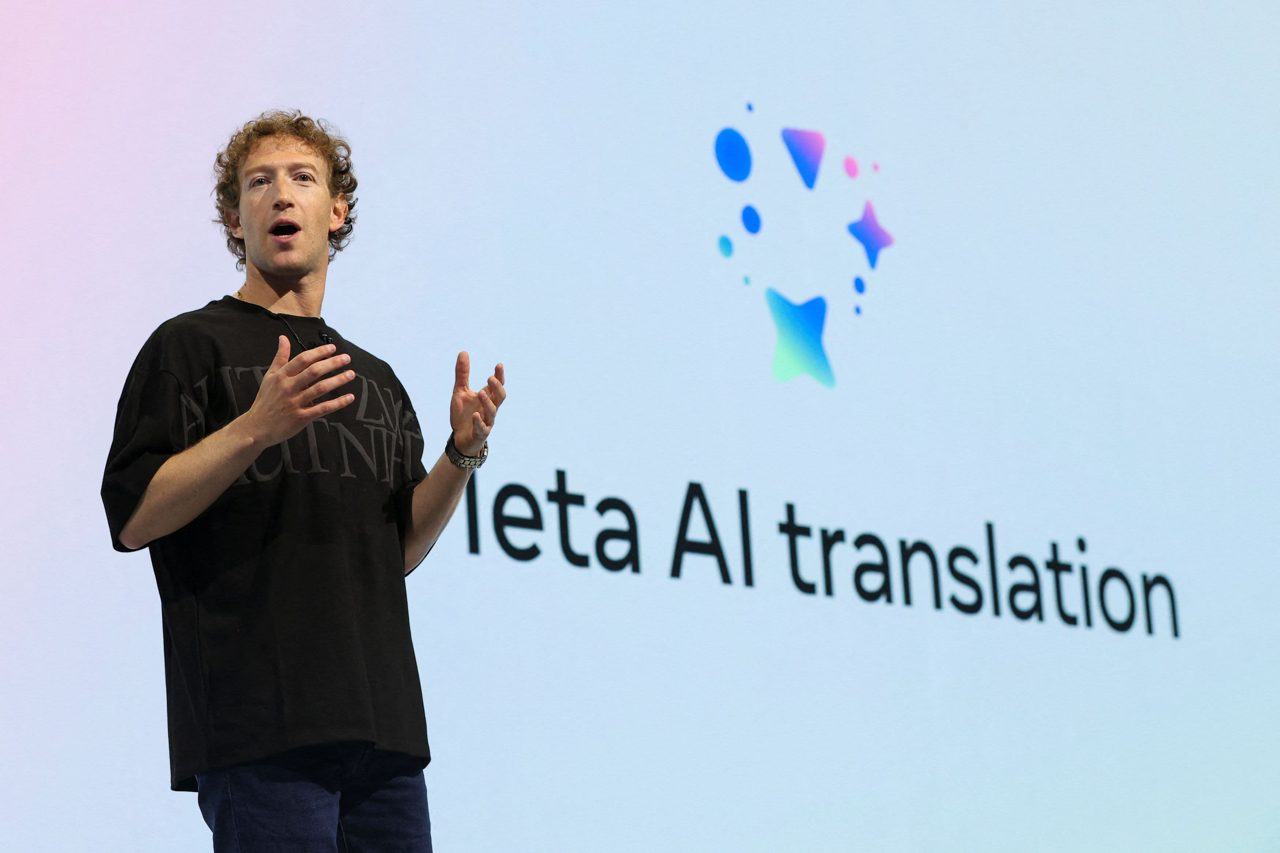
Unlike rivals Microsoft, Amazon, and Google, Meta does not currently rent its infrastructure to external customers, though Chief Executive Mark Zuckerberg acknowledged receiving offers for compute at a significant premium. He dismissed selling raw compute as a short-term profit move, arguing that the real value lies in selling intelligence. Zuckerberg projected significantly higher margins from offering AI services, such as an ad system that is already 15.7 percent more effective at converting, alongside future customer service agents and personal assistants.
When pressed on the cost trajectory for 2027, management declined to provide specific figures, noting only that the company expects to remain demand-constrained. Zuckerberg remained unequivocal about the strategy, stating that investors who back this infrastructure buildout will ultimately be rewarded.