Long yields hit 2007 high as Warsh's Fed silence backfires
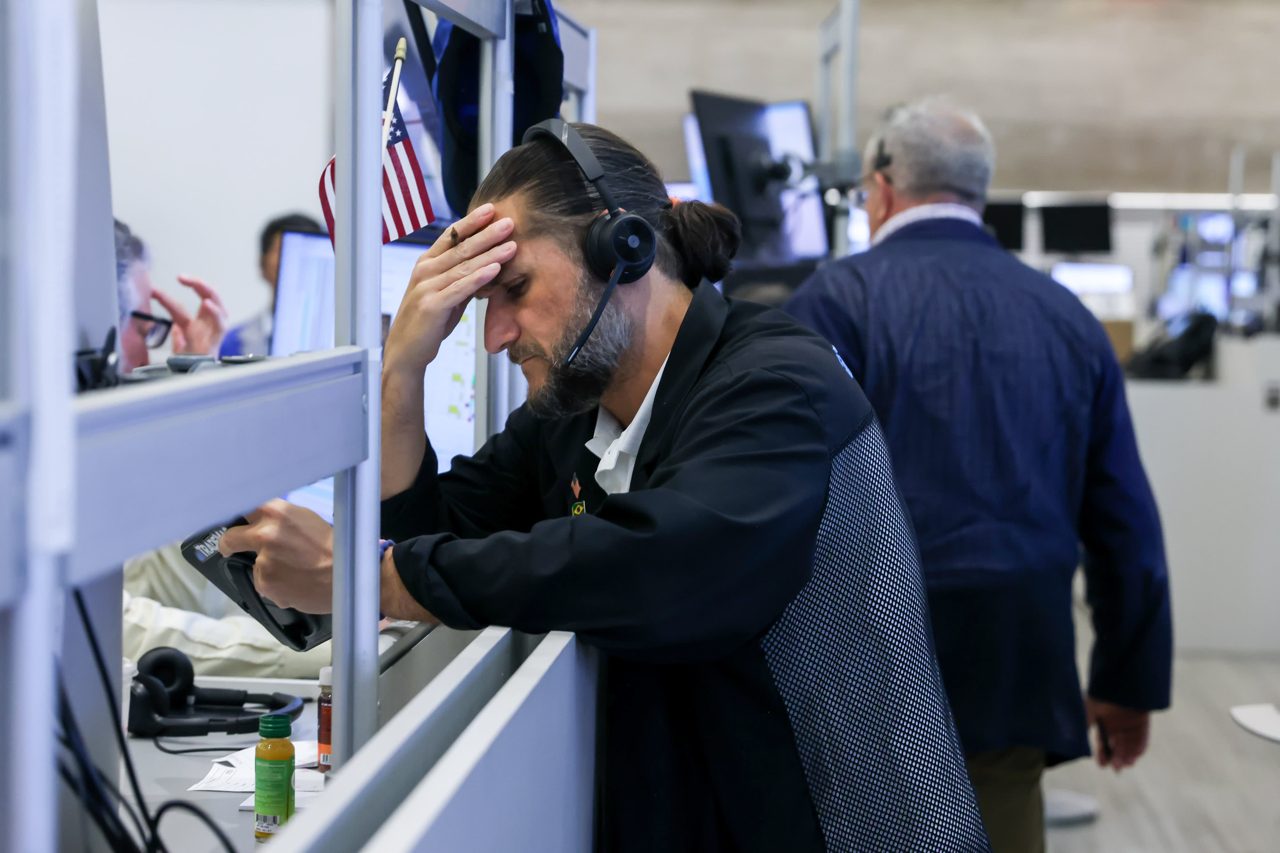
The Federal Reserve kept interest rates steady, but Chairman Kevin Warsh's refusal to detail his inflation strategy sparked a bond market selloff that threatens both his market credibility and his authority within the central bank.
The Federal Open Market Committee voted 9-3 to hold the federal funds rate at 3.5-3.75% on Wednesday, marking just the second meeting under Chairman Kevin Warsh. Instead of providing clarity, the decision and subsequent press conference triggered an immediate repricing in sovereign debt. Thirty-year Treasury yields surged to their highest level since 2007, while two-year yields dropped.
This steepening yield curve carries a distinct warning for investors. Markets are effectively betting that the central bank will remain idle in the near term despite inflation running above its 2% target for 63 months. According to CME FedWatch, the probability of rates staying unchanged at the next meeting jumped 20 percentage points to 45%, suggesting traders anticipate a delayed but more aggressive tightening cycle as the economy overheats.
The market turmoil stems directly from Warsh's deliberate break from his predecessors. He has abandoned forward guidance, arguing that past Fed chairs made the institution inflexible by predicting future rate moves. During Wednesday's press conference, Warsh declined to explain what specific conditions would prompt him to raise rates. He dismissed a 0.4% drop in June consumer prices as "not much" of a factor, while floating the idea that a Fed task force might downplay the personal consumption expenditures index—which sits at 4.1%—as the official inflation target next year.
This opacity backfired with market professionals. "Warsh didn't convey the message clearly or explicitly, and the bond market puked on him," wrote veteran Fed watcher Jon Hilsenrath. Eric Winograd, chief U.S. economist for AllianceBernstein, called the briefing "confusing and often internally contradictory." Michael Feroli, chief U.S. economist at JPMorgan Chase, warned that Warsh's vagueness on rate triggers and PCE targets "raise questions about the new chair's credibility in delivering lower inflation."
Warsh's credibility problem extends beyond the bond market into the central bank itself. Three FOMC members dissented from Wednesday's decision to hold rates steady. If economic data fails to improve, Feroli noted, "this will add some urgency for the rest of the committee to act on its mandate." No Fed chair has ever been outvoted on an interest rate decision, leaving Warsh dangerously isolated just months into his tenure.