Fed hold triggers market selloff as three dissenters fuel hike bets
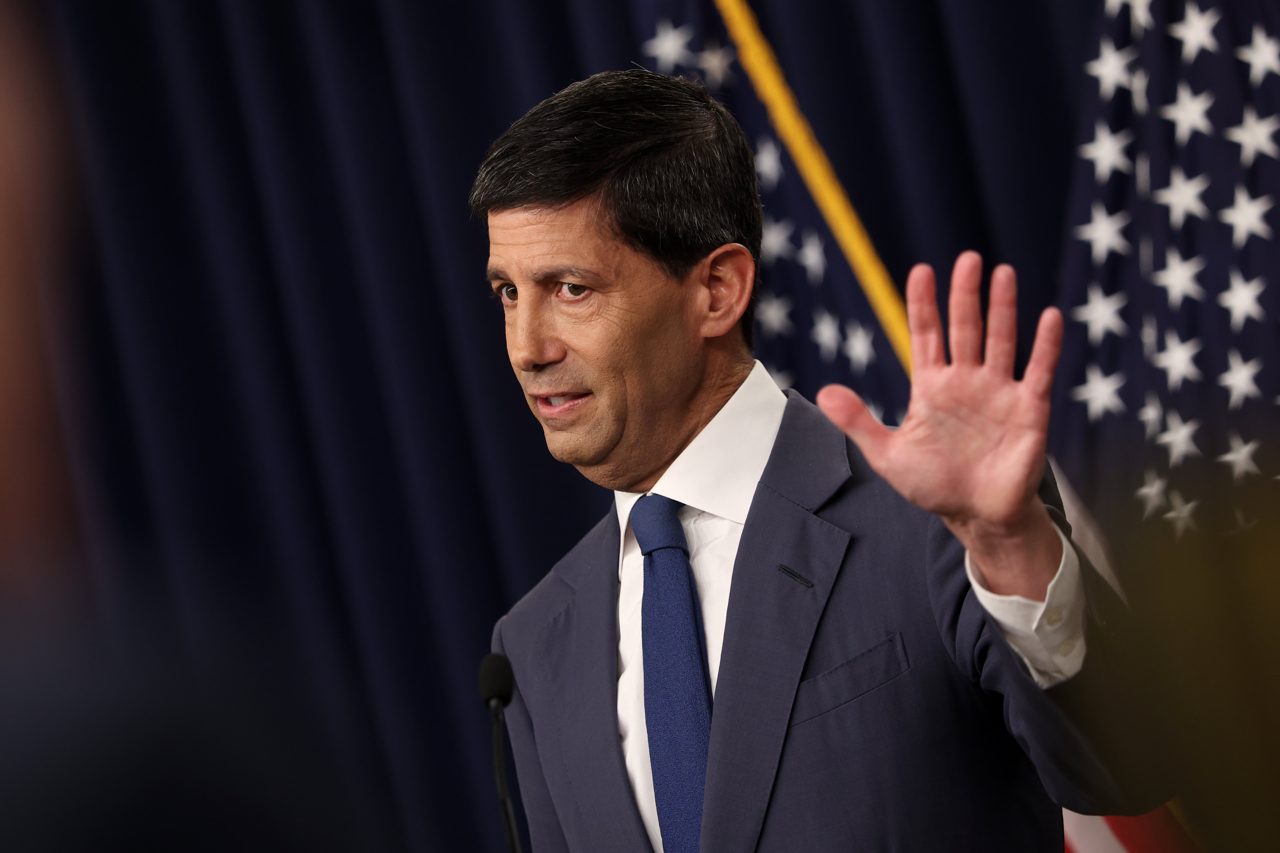
The Federal Reserve kept rates unchanged under new Chairman Kevin Warsh, but a surge in internal dissent and rising long-term yields have sharply increased investor expectations for a September rate hike.
The Federal Reserve held interest rates steady at its second meeting under Chairman Kevin Warsh, but a rare internal split immediately reshaped market expectations for tighter monetary policy. Three policymakers broke with the committee to vote for an immediate increase, marking the highest number of dissenters since September 2016.
Investors responded by dumping equities and pushing long-term borrowing costs sharply higher. The S&P 500 fell 1.5% in its worst performance on a rate decision day for a new Fed chief in recent history, while the Dow Jones Industrial Average dropped more than 2% for its largest daily decline since April 2025. The Nasdaq Composite slid into correction territory, falling more than 10% from its all-time high and logging a sixth consecutive losing session for the first time since 2024.
The bond market signaled deep skepticism that the Fed can conquer inflation without policy tightening. The 30-year Treasury yield surged more than 10 basis points to a peak not seen since July 2007, while the benchmark 10-year yield climbed above 4.6%. Ian Lygen, head of U.S. rates strategy at BMO Capital Markets, noted to clients that the three dissenters mirror the 2016 cycle, when the central bank kept rates unchanged in November before delivering a unanimous 25-basis-point hike in December.
Traders are rapidly pricing in that historical parallel. Fed funds futures now indicate a 57% probability of a quarter-point increase at the September meeting, according to CME's FedWatch tool, and 53% of traders on the Kalshi platform expect a hike. "For now, it's likely that market pricing for a hike has simply been pushed forward," said Ellen Zentner, chief economic strategist at Morgan Stanley Wealth Management. "September remains a live meeting."
The central bank is grappling with an energy price shock that threatens to keep inflation elevated. Warsh reiterated the Fed's commitment to hitting its 2% annual target. "You've heard this before, but we will deliver price stability," Warsh said on Wednesday. However, DoubleLine Capital CEO Jeffrey Gundlach argued that achieving that goal requires action rather than patience. "If you really want to get to 2%, I think you have to raise interest rates," he said.
Gundlach pointed to the surging long bond yield as evidence that fixed-income investors are demanding a shift. "The bond market vigilantes are saying, 'If you really want us to believe your rhetoric, you've got to start acting,'" he noted. While NISA Investment Advisors chief economist Stephen Douglass characterized the decision as a "hawkish hold" and still expects a rate cut by next March, the immediate market turbulence highlights a new regime. "Financial markets are still wrestling with the shift in Fed leadership," said ClearBridge Investments' Josh Jamner, adding that increased volatility under Warsh is "more of a feature than a bug."