US backs Madagascar rare earths project to counter Chinese supply dominance
The US International Development Finance Corporation has committed initial funding to a new rare earths venture in Madagascar, marking a continued push by Washington to secure alternative critical mineral supply chains amid escalating trade restrictions from Beijing.
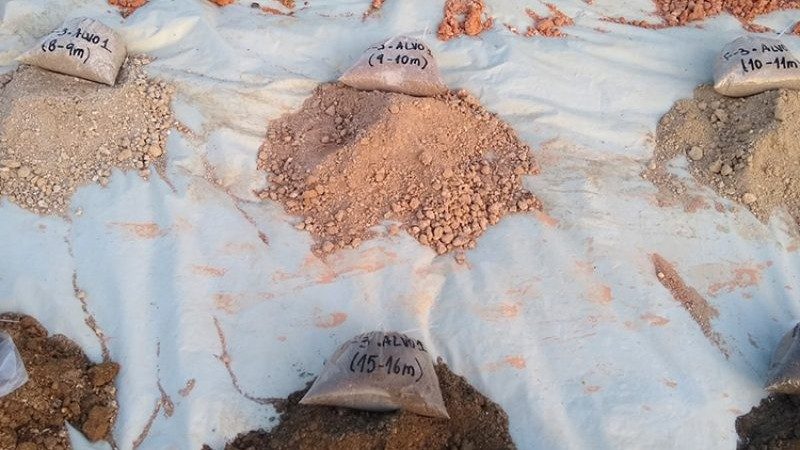
The US International Development Finance Corporation is committing up to $4.84 million to Harena Rare Earths for the Ampasindava project in northern Madagascar. This initial capital will fund pilot plant operations, metallurgical testing and environmental studies. Successful execution of these phases could unlock substantially larger US government-backed construction financing.
Harena estimates total development costs for the site at approximately $150 million. The Ampasindava ionic clay deposit is projected to yield 4,000 metric tons of rare earth oxides annually. This output includes 1,700 tons of high-value magnet elements such as neodymium, praseodymium, dysprosium and terbium.
Washington is actively expanding its critical minerals footprint in Africa to reduce reliance on Chinese processing networks. A State Department spokesperson noted the administration aims to counter “opaque, predatory investments from our adversaries.” Beijing currently controls nearly 70 percent of global rare earth mining and close to 90 percent of refined magnet processing.
The Madagascar initiative follows similar US support for African mineral developments. In February, the US Trade and Development Agency granted $1.87 million to Altona Rare Earths for a pre-feasibility study at its Monte Muambe project in Mozambique. That site targets 15,000 tonnes of mixed rare earth carbonate annually over an 18-year mine life, with an estimated development cost of $276.3 million.
Concurrently, the US government has secured domestic supply chains through direct financial partnerships. The Department of Defense recently structured a landmark agreement with MP Materials, featuring a $400 million convertible preferred stock purchase and a $150 million loan. This 10-year deal includes a $110 per kilogram neodymium-praseodymium price floor for magnets produced at the company’s upcoming Texas facility.
The Pentagon also acquired a 10 percent equity stake in USA Rare Earth in January 2026. This investment is part of a broader $1.6 billion financing package designed to build a domestic mine-to-magnet supply chain.
These moves respond to Beijing’s systematic weaponization of its rare earth dominance. Last year, China imposed export licensing requirements on several heavy rare earths indispensable to electric vehicles and military systems. Last month, Beijing escalated tensions by blacklisting 10 American companies, including MP Materials and USA Rare Earth, from acquiring Chinese dual-use materials.
This followed US Pentagon actions expanding a military-linked blacklist to include Chinese firms such as Alibaba, Baidu, BYD and NIO. By anchoring investments in Madagascar, Mozambique and the Lobito Corridor, Washington is attempting to build a resilient, China-independent critical minerals architecture for its defense and commercial sectors.