BMW Plans 8,000 Job Cuts to Counter Chinese EV Rivals
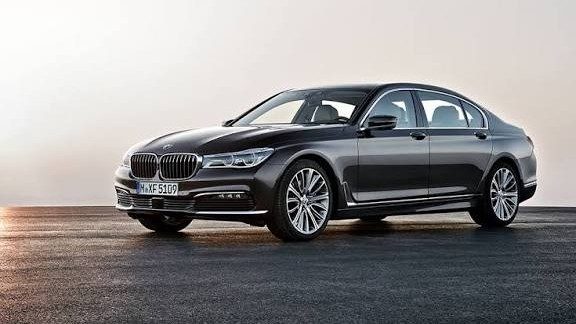
BMW will eliminate 8,000 mostly corporate positions in Germany through 2027 to restore profitability amid intensifying Chinese EV competition and a 36% stock slump this year.
BMW is preparing to cut approximately 8,000 jobs globally, representing about 5% of its total workforce. The reductions will begin in October and extend through 2027, focusing primarily on voluntary departures within its domestic German operations. The company expects the overhaul to yield a meaningful boost to profitability by 2028.
The restructuring targets administrative and development functions rather than manufacturing. Staff in research, development, planning, and corporate roles will receive departure offers, while factory floor workers are exempt from the program. Management ranks are also set for streamlining in the coming months as part of the broader cost-reduction effort.
These workforce reductions follow a recent profit warning that has already sent BMW shares down 36% year-to-date on German exchanges. The Munich-based automaker is confronting rapidly sliding sales in China, a critical growth market where European premium brands have been effectively priced out of the compact segment. Intensifying competition from Chinese EV manufacturers like BYD is squeezing margins both abroad and in BMW's home European market.
JPMorgan analyst Jose Asumendi characterized BMW's recent forecast downgrade as a "radical earnings cut" and a "wake-up call for the auto industry." While noting that the automaker generally executes well, Asumendi warned that BMW must aggressively address its product strategy in China. He anticipates the company will take one-time charges to downsize its global production footprint, with a particular emphasis on European operations.
BMW's deep restructuring reflects a wider, structural deterioration across the European automotive sector. Elevated local production costs, sluggish consumer demand, and a flood of competitively priced Chinese imports are steadily eroding profitability across the continent. For equity holders and corporate peers, the aggressive timeline of BMW's cuts signals that legacy automakers can no longer rely on gradual efficiency gains to weather the EV pricing war.