Food brands leverage nostalgia to cut acquisition costs
Faced with inflation and rising customer acquisition costs, food and beverage companies are replacing relentless innovation with nostalgia-driven strategies to build pricing resilience and lower marketing spend.
Food and beverage executives are abandoning the long-held assumption that competitive advantage requires constant novelty. Confronted with inflation and an overwhelming number of product choices, companies are instead capitalizing on consumer familiarity to drive purchases. This represents a structural shift in how the industry approaches product development and marketing.
The strategy offers tangible financial benefits, primarily by lowering customer acquisition costs in a fragmented attention economy. This approach also provides pricing resilience, as consumers who feel an emotional bond with a brand are less likely to treat it as an interchangeable commodity during inflationary periods.
McKinsey consumer sentiment research indicates shoppers are currently balancing caution with value-seeking behaviors. In this environment, brands that have already established trust hold a distinct advantage. Leveraging existing emotional equity requires significantly less marketing expenditure than persuading consumers to try an entirely unfamiliar product.
The Food Institute highlights the rise of "grandmacore," a broader consumer desire for comfort that translates directly into lower persuasion costs for established products. Innova Market Insights notes the growing success of "newstalgia," where familiar experiences are repackaged in fresh ways. This allows companies to modernize trusted products rather than risking capital on unproven concepts.
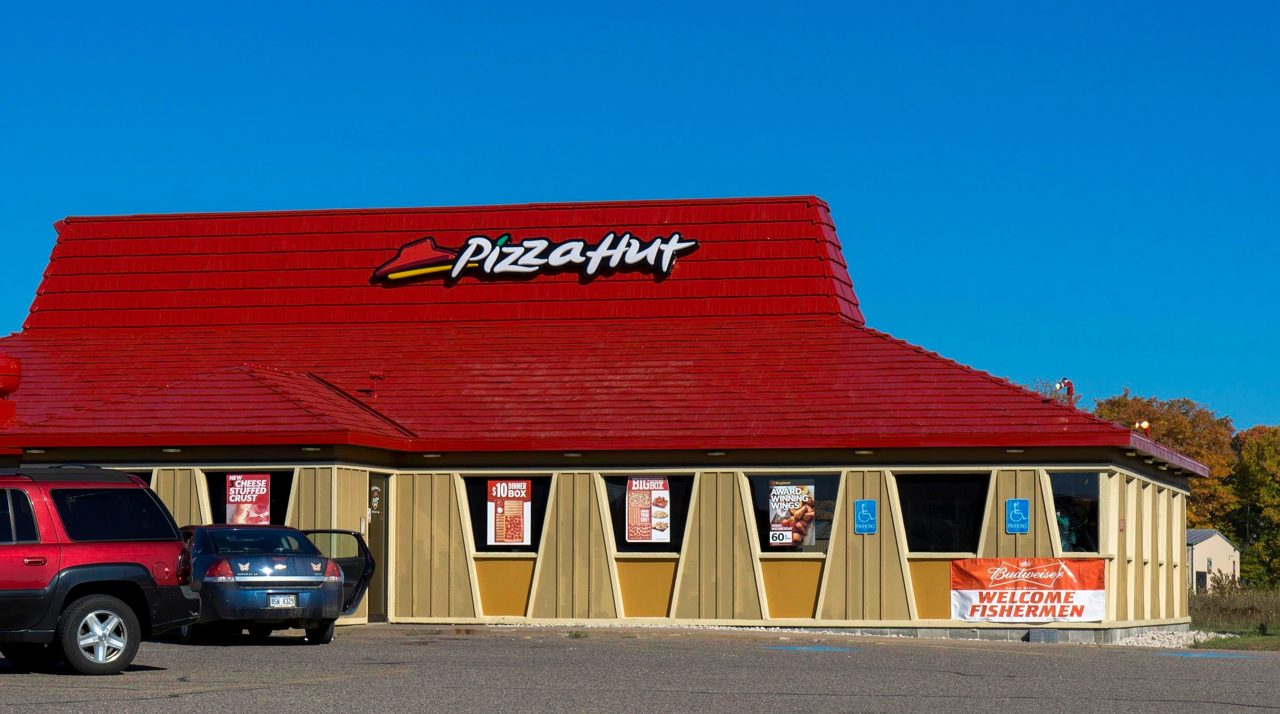
Spangler Candy, the century-old maker of Dum Dums and Circus Peanuts, exemplifies how products become tied to family traditions and routines. Pizza Hut is similarly activating its past, reviving its iconic red-roof aesthetic to trigger memories associated with 1995 rather than just selling retro branding. Oreo anchors its limited-edition launches to a stable, recognizable core, ensuring new variations feel approachable.
For investors, the appeal lies in reduced commercialization risk. Companies can launch line extensions and new products with higher odds of adoption because they are built on a familiar foundation. The Food Institute’s analysis of neurogastronomy underscores that the connection between flavor, memory, and emotion directly influences purchasing behavior, giving heritage brands a scientific edge in product development.
Within the food sector, heritage is frequently dismissed as a liability that alienates younger demographics. In reality, it constitutes a durable competitive moat. Competitors can easily replicate ingredients, packaging, or pricing structures, but they cannot manufacture decades of accumulated emotional connection.