Peru's record budget top-up tests fiscal credibility
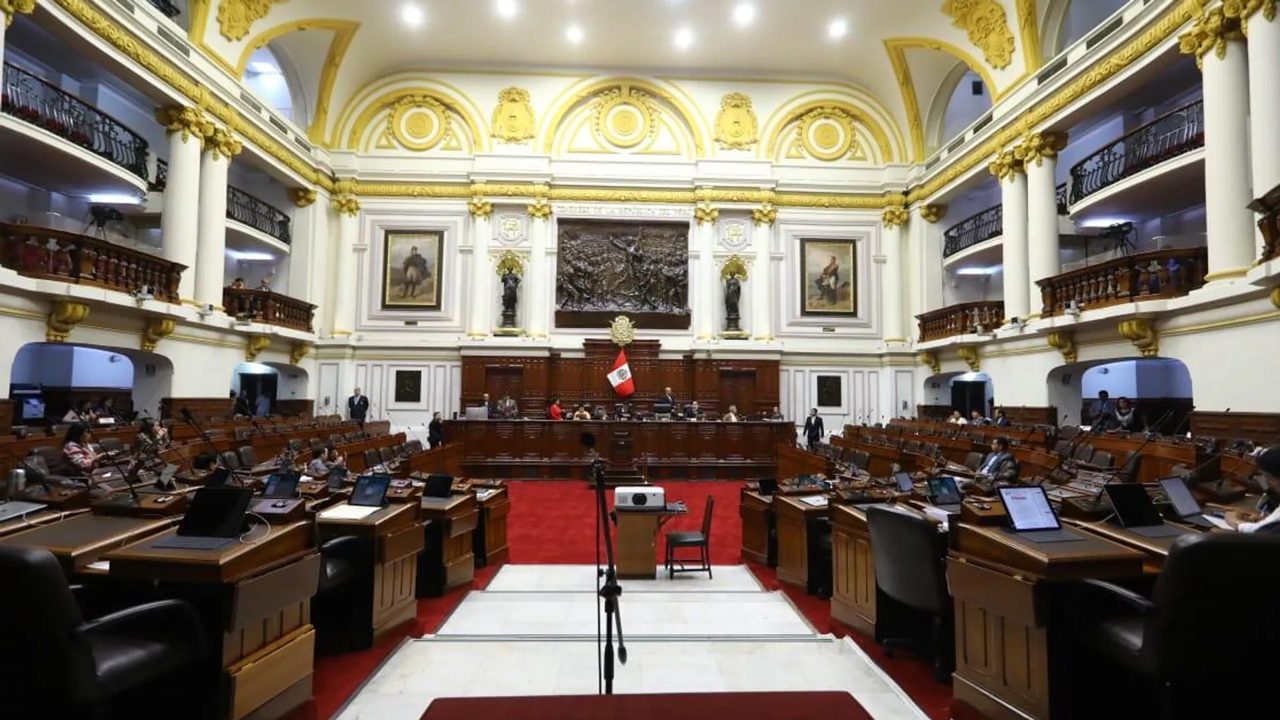
Peru is poised to approve a $2.5 billion budget expansion over watchdog objections, testing its fiscal discipline just before a new government takes office.
Peru’s Congress is advancing toward a final vote on a record 9.6 billion sol ($2.5 billion) budget expansion, openly defying the country’s independent fiscal watchdog. The standing committee is expected to approve the supplementary credit within days, racing against a July 15 legislative deadline.
The injection would be the largest of its kind in five years. It is designed to finance October’s regional and municipal elections, sustain ongoing public works, and pay benefits to state contract workers. The package draws on ordinary treasury funds, 1.26 billion soles raised through new sovereign bonds, and billions more in elevated mining royalties redirected to regional governments.
The Fiscal Council has strongly objected to the approach, warning that lawmakers are misreading the public accounts. The watchdog’s central argument is that the state is treating temporary commodity revenues, fueled by high copper and gold prices, as permanent income to finance structural spending.
Underlying data supports the council’s alarm. Real non-financial spending surged almost 5% in the first half of the year, far exceeding the fiscal rule that caps annual growth well below 2%. The council calculates that laws enacted since late 2025 have already locked in roughly 23 billion soles of permanent annual costs, equivalent to nearly 2% of the overall economy. Furthermore, the budget fails to establish a clear financial cushion against a strong El Nino weather system expected around year-end.
The finance ministry counters that the top-up is technically sound. Officials maintain the package will keep the fiscal deficit at 1.75% of economic output, safely inside the 1.8% legal limit. The finance minister has attempted to shift the blame, arguing that the real threat comes from Congress’s constitutional power to spend, and expressed hope the Constitutional Court will eventually restrain the legislature.
The central bank shares the watchdog’s unease. Its governor has publicly warned that repeated spending waves are eroding Peru’s hard-won stability, noting the country is starting on the "wrong foot."
For investors, this debate transcends a single supplementary budget. Peru has historically traded on its low public debt ratios, a distinction that underpins its credit ratings and its status as a relatively stable emerging market play. Using volatile mining windfalls to fund permanent obligations threatens that structural advantage.
The political timing compounds the market risk. Because the vote is happening now, Keiko Fujimori’s incoming administration will inherit both the newly allocated funds and the tightened fiscal constraints when it takes office on July 28, leaving the next government with little control over the balance sheet it must manage.