Nicaragua export record masks reliance on surging gold prices
Nicaragua's first-half exports hit a record $5.09 billion, but the growth is overwhelmingly driven by raw gold, exposing the economy to severe price volatility and ongoing US sanctions.
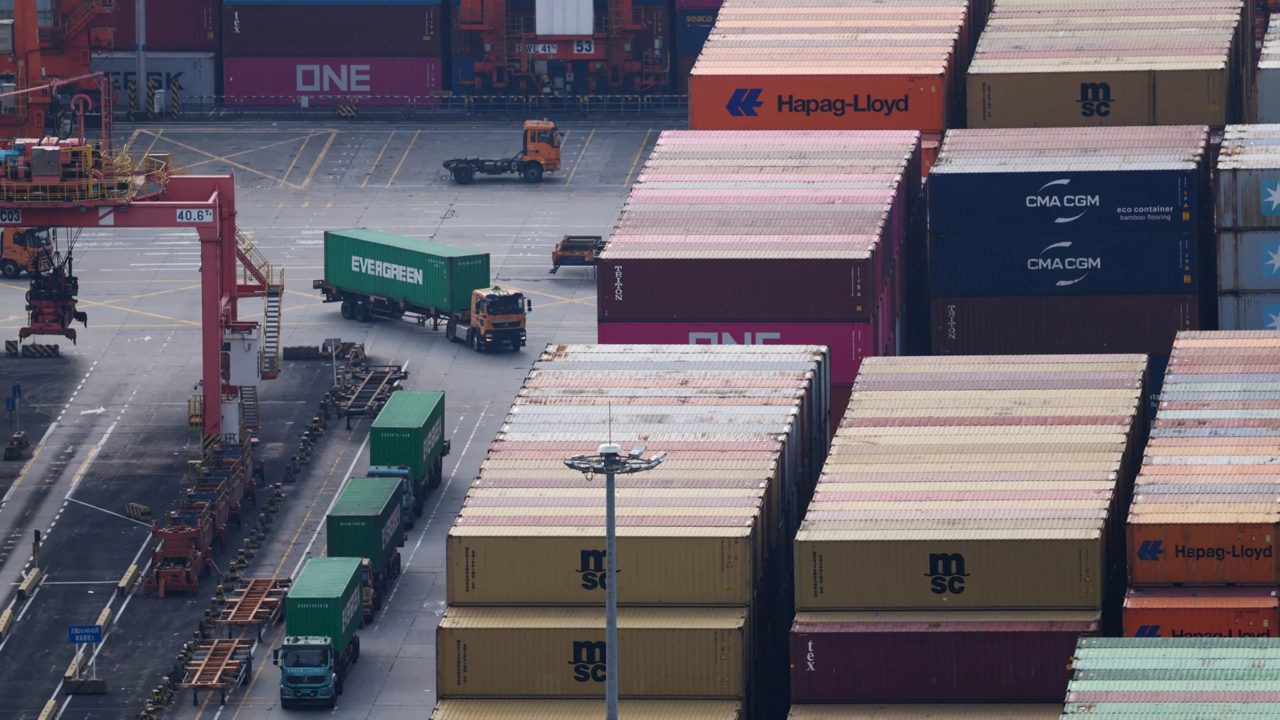
Nicaragua’s exports reached $5.09 billion in the first half of 2026, a record for the period and a 17 percent increase over the same stretch last year. The trade ministry credits a broadening basket of goods, yet the underlying data reveals a narrower story of dependence on a single volatile commodity.
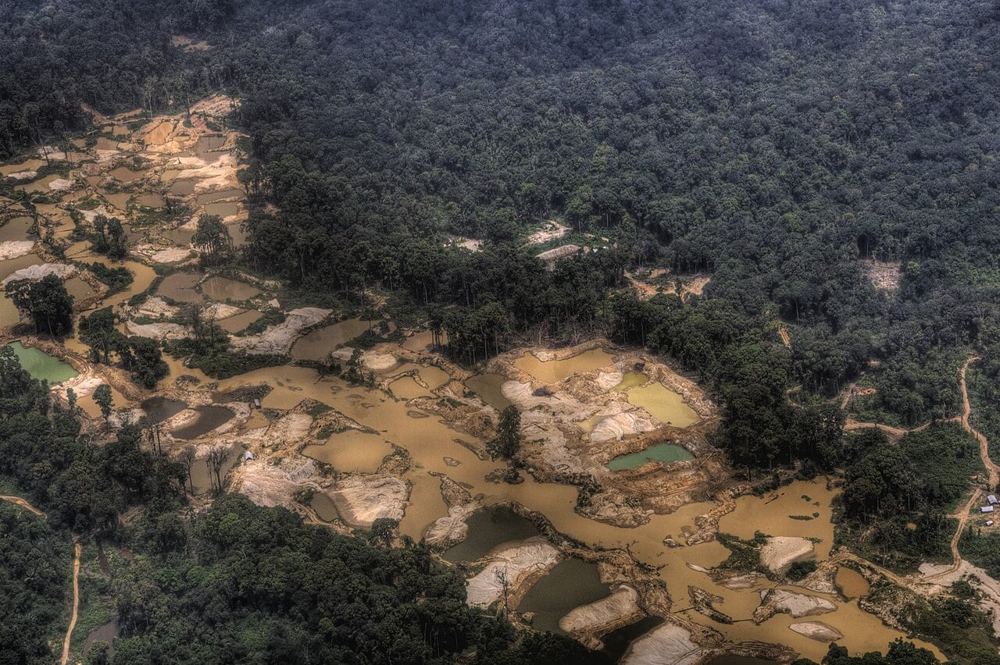
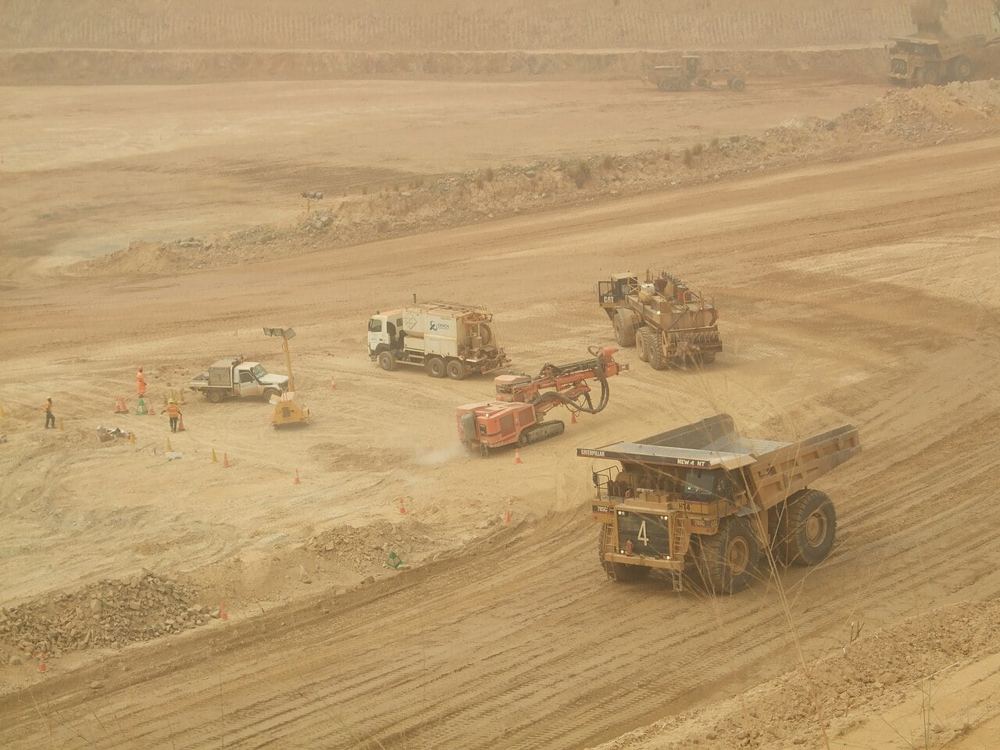
Raw gold has overtaken traditional agricultural staples like coffee and beef to become the country’s largest single earner. Combined with clothing and beef, these three categories account for roughly two-thirds of all export revenue. June alone brought in $774 million, about 4 percent more than May.
For market professionals, this concentration represents a significant structural risk. The surge in export value aligns with record global gold prices rather than a proportional expansion in trade volume. A reversal in gold markets could rapidly unwind the headline growth numbers that the government is using to showcase economic resilience.
The gold reliance also deepens Managua's friction with Western capital. US sanctions imposed in 2022 targeted the Nicaraguan gold and sugar trade, accelerating a geopolitical pivot. Sales to China have climbed from roughly $30 million in 2020 to more than $90 million today, as the country redirects trade flows eastward.
Beyond the precious metals sector, ordinary domestic companies under the so-called General Regime drove the remaining growth, lifting sales by 22 percent to surpass $3.5 billion. Conversely, the free-zone manufacturing sector, which stitches clothing and assembles wiring harnesses for the American market, contracted by 4.5 percent in June. This divergence highlights a shift away from value-added manufacturing toward raw material extraction.
The broader agricultural base, including silver, palm oil, peanuts, bananas, shrimp, tobacco, sugar and dairy, did post gains. However, the government’s narrative of healthy diversification is complicated by its tight grip on official statistics. Independent economists have previously questioned how state data is compiled, noting that recent record foreign investment figures were largely composed of reinvested profits rather than fresh capital. Following a record full-year total of $8.7 billion in 2025, Nicaragua now ships to over 130 markets, but its trade model remains highly exposed to commodity price swings.