FIFA seeks $4.2 billion from investors for new $20 billion commercial arm
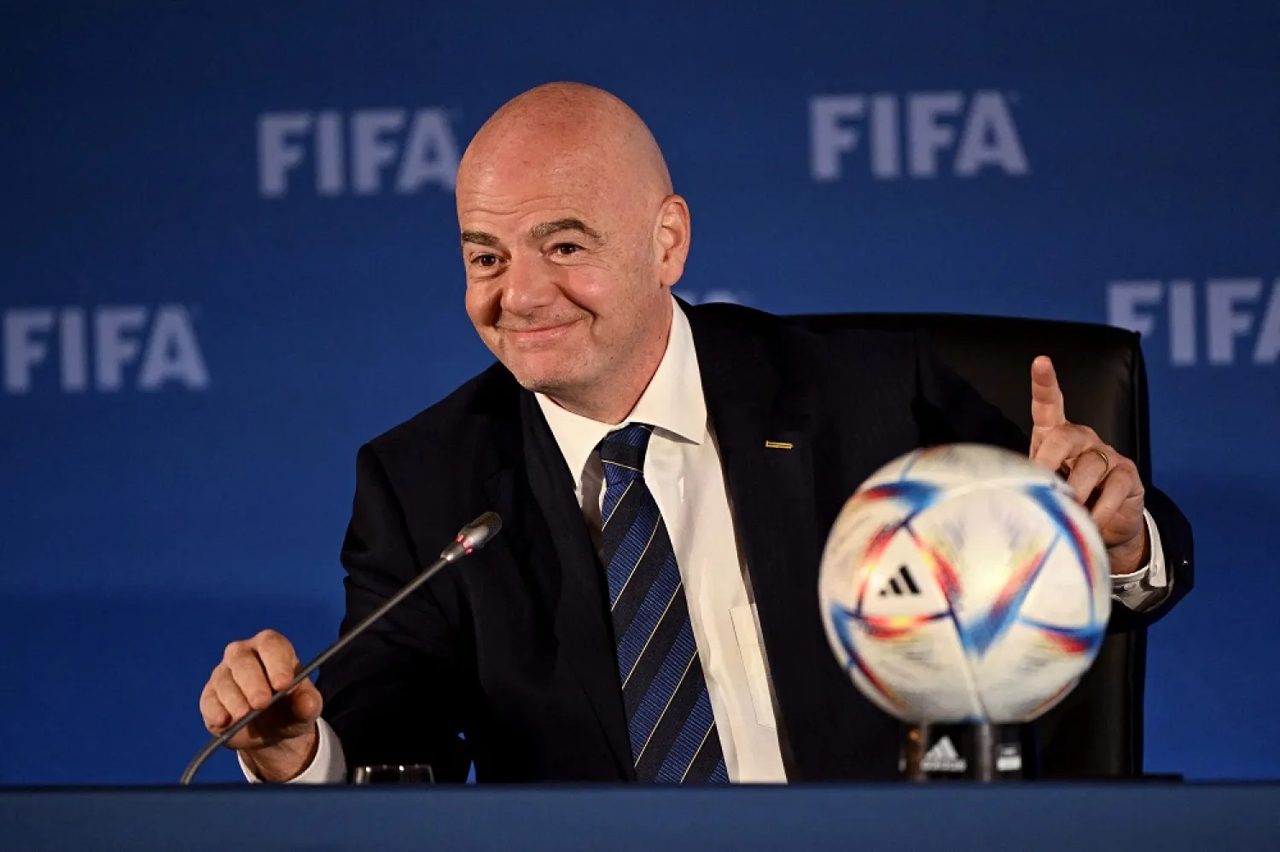
The global football governing body plans to spin off its commercial operations into a $20 billion subsidiary backed by private capital, signaling a major shift in how international sports assets are monetized.
FIFA is proposing the creation of a new commercial subsidiary valued at $20 billion to consolidate its broadcast, sponsorship, ticketing, and licensing operations. The governing body intends to raise up to $4.2 billion from external minority investors to fund the entity, which it has named FIFA Forward Enterprise.
This restructuring follows a period of explosive revenue growth, with the organization generating approximately $15 billion during the 2026 World Cup cycle, nearly double the $7.6 billion from the previous period. By bringing in private capital, FIFA is attempting to maximize the valuation of its global media and marketing rights while retaining absolute control over the sport's regulatory framework.
J.P. Morgan has been engaged as a financial adviser for the capital raise. The proposed investor group will hold non-controlling stakes and will have no operational role in the subsidiary, according to the organization.
The primary objective of the new structure is to significantly increase financial distributions to its 211 member associations. Under the proposal, annual funding per association would rise from $8 million to $20 million for the 2027 to 2030 cycle, with further increases planned for subsequent cycles.
Additionally, a new fast-track initiative would allow individual associations to access up to $20 million in one-off capital for infrastructure and development projects. The organization estimates that these combined programs will drive total football development investment beyond $10 billion over the next four years.
FIFA President Gianni Infantino framed the restructuring as a necessary evolution to ensure the sport's financial expansion benefits all regions. "Every FIFA Member Association should have an opportunity to seek a fair share of the available funding to shape its own future," Infantino stated.
The commercialization strategy has already encountered resistance from European football’s governing body, which questions the transparency and ultimate financial beneficiaries of the arrangement. UEFA argued against treating the sport's institutional framework as a tradable commodity, asserting that the soul and governance of football are not assets to trade.
For private equity and institutional investors, the proposal represents a rare opportunity to gain exposure to the highly lucrative global sports media market without disrupting the underlying regulatory environment. The initiative now requires approval from a majority of the member associations and the FIFA Council before the capital raise can proceed.