Nigeria 364-Day T-Bill Yield Hits 17.7% on Heavy Demand
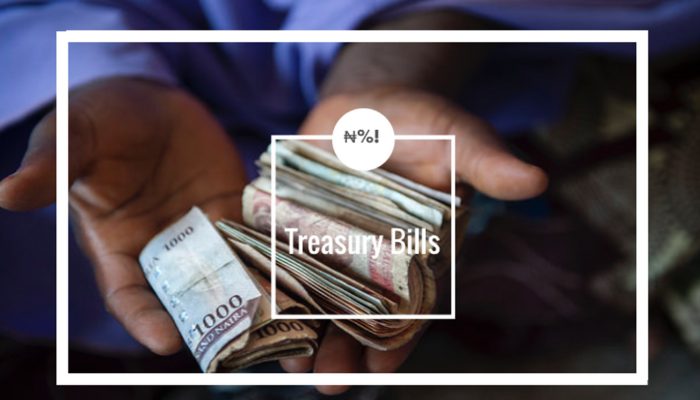
Heavy demand for Nigeria's 364-day Treasury bills pushed the stop rate to 17.70%, signaling market expectations that the central bank will maintain tight monetary policy to combat inflation.
On July 8, 2026, the Central Bank of Nigeria allotted N1.06 trillion in Treasury bills against an initial offer of N700 billion, driven primarily by a massive surge in demand for one-year paper. The stop rate on the 364-day bill rose 36 basis points to 17.70%, up from 17.34% at the mid-June auction.
Investors submitted N1.86 trillion in bids for the N500 billion of 364-day bills on offer, resulting in a more than threefold oversubscription. The central bank ultimately allotted N935.32 billion of this tenor, indicating a strong willingness among market participants to commit capital for a full year to secure these yields.
This appetite for the long end stood in stark contrast to the 182-day tenor, which was the only undersubscribed security in the auction. Investors submitted just N29.94 billion in subscriptions against a N100 billion offer, leaving its stop rate unchanged at 16.50%. Meanwhile, the 91-day bill saw decent demand, with subscriptions reaching N146.54 billion against a N100 billion offer, pushing its stop rate marginally higher to 16.30%.
The divergence in demand across the curve underscores a strategic shift among fixed-income buyers. Faced with a Monetary Policy Rate of 26.5% and persistent inflation, investors are actively avoiding the risk of having to roll over shorter-term funds at less favorable rates. Locking in a 17.70% return until July 2027 is currently viewed as an optimal balance between yield and duration.
Beyond matching investor demand, the auction serves a broader macroeconomic function for the central bank. By allotting N1.06 trillion against the N700 billion offer, the CBN executed a net withdrawal of liquidity from the banking system. This action aligns with its ongoing strategy to drain excess cash to support the fight against rising prices.
The central bank plans to sell another N600 billion in bills on July 15, coinciding with a period of fewer maturities. If demand continues to concentrate on the longer tenors, the CBN will likely maintain its tight grip on system liquidity, keeping short-term rates stable while allowing long-end yields to drift higher.