El Nino strains Colombia's hydro grid as blackout risk hits $50m an hour
Colombia's vice president-elect warned that a nationwide blackout would cost $50 million an hour, putting a price tag on a severe hydroelectric supply crunch driven by El Nino that poses a direct threat to the country's economic growth.
José Manuel Restrepo, Colombia’s vice president-elect, estimates that every hour without power would drain roughly 204 billion pesos, or $50 million, from the economy. The warning followed a meeting with energy industry leaders weeks before the new administration takes office in August. For foreign investors, a politician assigning a hard financial metric to an unmaterialised infrastructure risk is a notable departure from standard political messaging.
The threat stems from Colombia’s heavy reliance on hydroelectric dams, which leaves the national grid highly exposed to dry weather. The El Nino weather pattern has arrived, and forecasters indicate a high probability it will persist, potentially becoming severe, into early 2027. Reservoir levels are already under pressure, with the system operator issuing scores of preventive load-shedding instructions and placing the market under dozens of emergency restrictions.
New capacity has failed to arrive in time to provide a buffer. Of the 4,400 megawatts of generation capacity scheduled to come online this year, only a small fraction has entered commercial service. The grid operator projects an energy shortfall of nearly 4,000 gigawatt-hours annually for the 2026-2027 period, leaving virtually no margin for error.
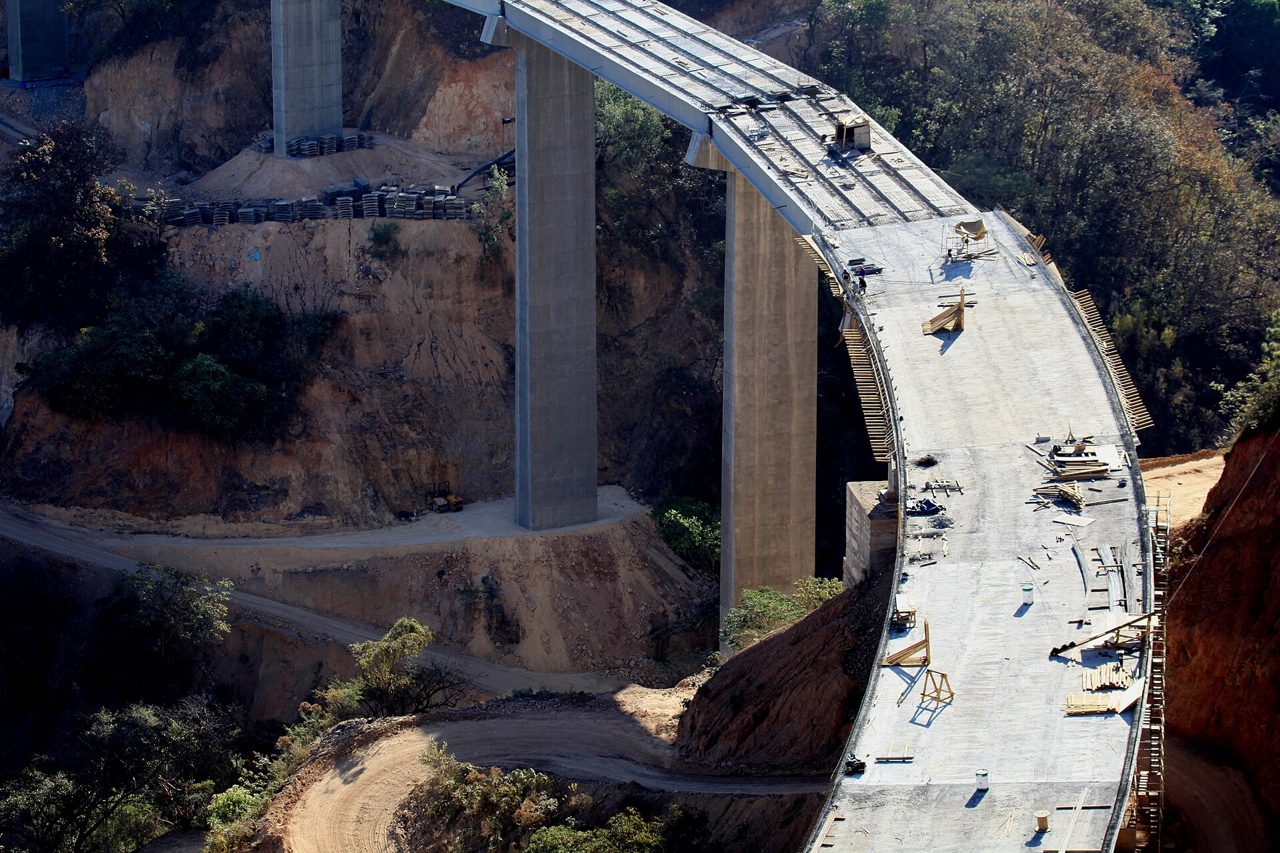
A critical bottleneck is a long-delayed transmission line meant to carry wind power from the La Guajira region. This infrastructure failure has left gigawatts of clean energy stranded and unable to support the grid during the dry season. Analysts note that the window to build new plants or transmission lines before the dry season peaks has effectively closed.
The historical precedent is driving the urgency. A severe El Nino in the early 1990s forced months of rolling blackouts that reshaped energy policy. Think tank estimates suggest a similar rationing event today would cut economic growth by more than a percentage point and destroy hundreds of thousands of jobs.
The outgoing government has introduced a scheme for users to voluntarily reduce consumption in the power market. Meanwhile, Restrepo is prioritising coordination through sector committees to map the crisis before the August handover. Generation executives have welcomed the incoming administration's explicit reliance on private investment to resolve the deficits. A firmer peso this year provides some relief by lowering the cost of imported thermal fuel, though it simultaneously pressures the country's exporters.