Middle East oil shock risks BoE rate hikes despite weak UK demand
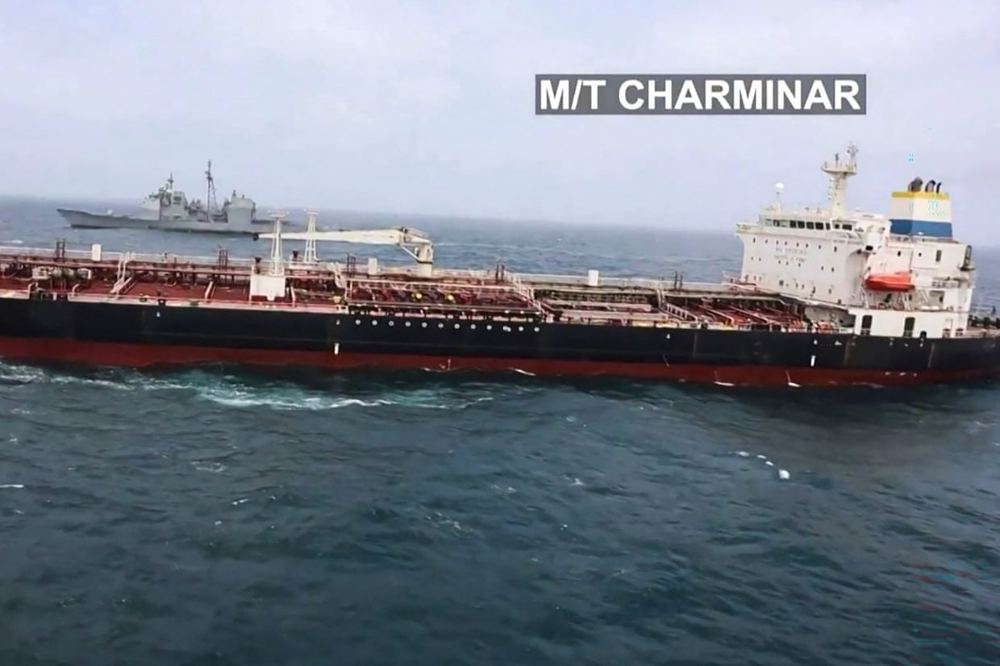
A surge in Brent crude above $100 a barrel following renewed conflict between the US and Iran is forcing the Bank of England to reconsider its rate path, with markets now pricing in fresh tightening.
The collapse of a fragile ceasefire between the US and Iran has driven Brent crude above $100 a barrel, forcing financial markets to price in Bank of England interest rate hikes just months after policymakers signalled a prolonged hold. Prices jumped on Thursday before settling at $96 on Friday, a sharp increase from $71 earlier this month.
The Bank’s nine-member monetary policy committee is widely expected to keep rates at 3.75% on Thursday. However, economists anticipate a repeat of the June meeting, where two dissenting members voted for an increase to pre-empt rising inflation.
Market pricing is now tightly correlated with crude prices. “At $90 they would see the need for one and a half quarter-point hikes. At $100 there would be a need for two 25 basis point hikes,” said George Buckley, chief UK and euro area economist at Nomura.
A sustained price level above $90 would be enough to rewrite the central bank's forecasts, according to Mohamed El-Erian, a former IMF chief economist. “Should oil prices remain above $90 a barrel, an important ‘if’, then headline inflation would face significant upward pressure. This, in turn, would heighten concerns over immediate indirect effects, including rising food prices driven by diesel transportation costs, and broader second-round effects over time,” he said.
Sanjay Raja, chief UK economist at Deutsche Bank, warned that the outlook depends on the duration of the energy shock and whether blocked sea channels prevent tankers from accessing oil terminals.
Yet some analysts argue the UK economy lacks the strength to absorb higher borrowing costs. Harvinder Kalirai, chief global currency strategist at Alpine Macro, expects the Bank to “look through the oil shock and political noise” before resuming cuts next year. “Demand is not strong enough to sustain a pass-through from the energy shock, forcing firms to absorb higher input costs,” he said.
The risks, however, are skewed heavily to the upside. Ruth Gregory, deputy chief UK economist at Capital Economics, modelled a worst-case scenario where Middle East fallout pushes inflation to 7%, necessitating a full percentage point rise in rates to 4.75%.
Such a scenario would deepen the political dilemma for the central bank. Costas Milas, an economics professor at the University of Liverpool, argued that prolonged inflation increases public dissatisfaction, meaning the Bank “should act soon by raising interest rates, possibly as early as September.”
David Aikman, head of the National Institute of Economic and Social Research, echoed the urgency, noting that the longer inflation remains above target, the greater the risk that expectations shift and wages respond. The Bank of England is not alone in its predicament, as financial markets also anticipate a hike at the European Central Bank’s 10 September meeting, a move that would coincide with soaring gas prices ahead of the critical winter storage refill period.