Australian green energy shift accelerates with $24bn in endorsements
Australia’s transition from coal to renewables is accelerating rapidly, driven by a surge in private investment and cheap Chinese battery imports that are reshaping the national electricity grid.
Australia’s energy transition has hit an inflection point, with authorities endorsing $24 billion worth of new energy projects as renewable generation surged to 42.7 per cent of the national electricity mix in 2025. The shift is driven by market economics rather than state mandates, as energy companies move to replace an ageing coal fleet that now provides less than half of the country's power.
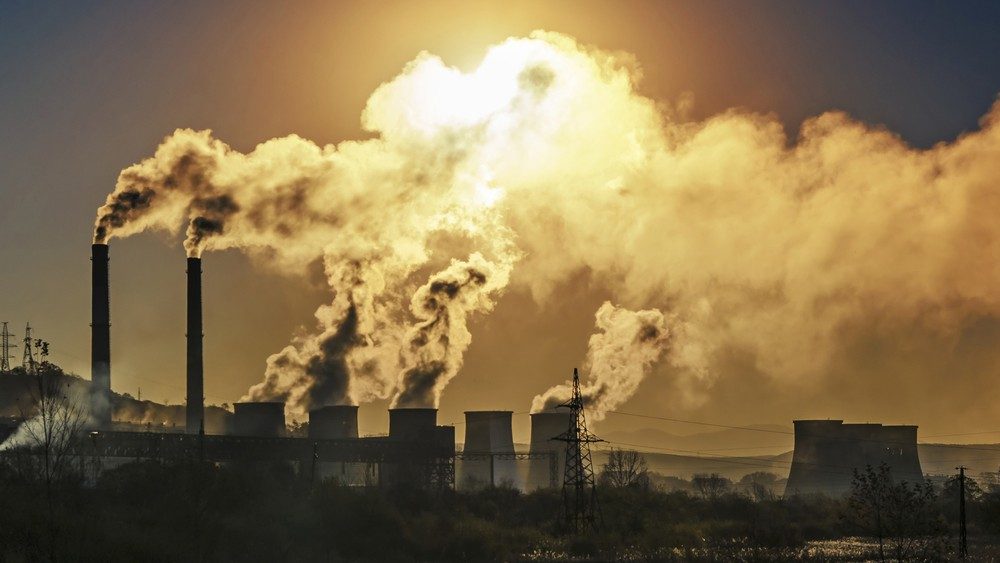
Black and brown coal still accounted for a combined 49.6 per cent of electricity generation last year, down sharply from roughly 80 per cent in 2000. Daniel Westerman, CEO of the Australian Energy Market Operator, noted that failing coal plants are giving way to cheaper alternatives. “Our old coal-fired power stations are breaking down; they’re retiring,” Westerman said.
“They’re getting replaced by the least-cost energy, which is renewable energy, backed with storage, connected in with transmission. We’ll have a bit of gas there for the winter doldrums. That is just what’s happening,” he added. This structural shift outpaces the federal Renewable Energy Target, which mandates an extra 33,000 gigawatt-hours of annual renewable generation by 2030.
For commodities investors, the most striking growth is occurring in battery storage. Home battery sales surged 260 per cent in 2025 with almost 270,000 units purchased, while large-scale battery capacity jumped 233 per cent. Australia is now the third-largest utility-scale battery market globally, surpassing 2 gigawatt-hours of storage per million people and contributing 10 per cent of new worldwide capacity in March.
This infrastructure build-out relies heavily on Chinese manufacturing, making Australia the third-largest importer of Chinese batteries after Germany and the United States. “Australia won’t stay at number three, but it has been going gangbusters,” Dixon said. “We have never seen anything of this magnitude before.”
Capital is also flooding into generation assets, buoyed by the world's highest rooftop solar penetration with roughly four million homes equipped with panels. Utility-scale solar attracted $2.7 billion in 2025 across 18 major projects totalling 2 gigawatts. Meanwhile, state authorities approved 1.4 gigawatts of new wind capacity, nearly double the 775 megawatts commissioned the prior year.
Policymakers are streamlining approvals to keep pace with private capital, fast-tracking 16 projects worth $22.1 billion in New South Wales this March through a new Investment Delivery Authority. The government hopes the new IDA system will accelerate future investment activities across pumped hydro, batteries, wind, solar and gas. While politicians have championed the end of the fossil fuel era, the financial reality is that the market is already executing the transition.