Poll shows Indian rupee unlikely to hit 93 as Fed rate hikes and oil risks cap gains
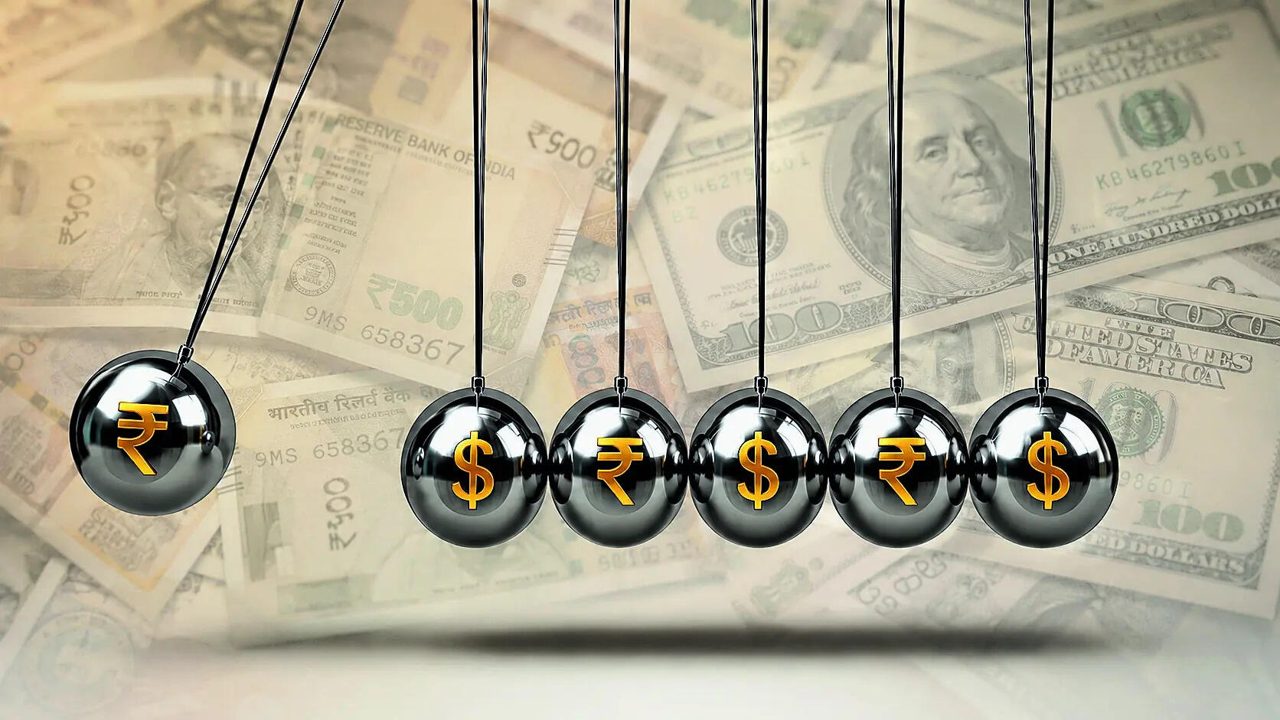
A poll of economists indicates the Indian rupee is unlikely to strengthen to 93 per dollar this year, as expectations for US Federal Reserve rate hikes and volatile oil markets offset central bank efforts to attract foreign capital.
The Indian rupee is unlikely to breach the 93 per dollar mark, according to a poll of nine economists, marking a sharp reversal from earlier optimism. The local currency closed at 95.32 against the greenback on Friday, with any brief dips toward 93 expected to be quickly capped by persistent dollar demand and geopolitical headwinds.
This muted trajectory represents a significant shift in market sentiment. Immediately following the Reserve Bank of India’s recent interventions to attract foreign currency, economists had projected the rupee could strengthen to between 92.50 and 92.75.
The revised forecast is driven by two primary macroeconomic headwinds. Robust US economic data has cemented expectations for Federal Reserve interest rate hikes this year, which bolsters the dollar and restricts capital flows into emerging markets like India. Concurrently, a fragile truce between the US and Iran has left crude oil markets highly sensitive, meaning even minor geopolitical flare-ups threaten to push energy prices higher and further pressure the local currency.
These external pressures have effectively established a trading range for the currency. "The floor for USD/INR for now is firmly established at 94.00-94.50, especially as the dollar has shown some appreciation bias recently," noted Yes Bank chief economist Indranil Pan.
Despite the central bank's introduction of Foreign Currency Non-Resident (B) deposits and external commercial borrowing schemes to boost inflows, experts remain skeptical about their scale. Canara Bank chief economist Madhavan Kutty G anticipates these initiatives will generate around $35 billion in inflows, falling short of the volumes required to drive significant currency appreciation.
"Even when the cease fire was stable around mid-June, the rupee appreciated to only 94.30 levels," Kutty noted, referencing the currency's eight-week high on June 19. "Additionally, I don't know if dollar inflows would be as high as expected because US yields are now rising," he added, questioning how the currency can appreciate when the expected second-quarter balance of payments surplus is "manufactured and that too at a high cost."
The rupee has depreciated 0.5 percent so far in fiscal 2027, partially recovering from a record low of 96.96 hit in late May when it was down 2.2 percent. This follows a challenging fiscal 2026, during which the local currency weakened by nearly 11 percent. While the central bank's measures have successfully prevented a repeat of the steep declines seen in the spring, the consensus among market professionals is that substantial gains remain out of reach.