Crude price drop doubles margins for India's state-owned fuel marketers
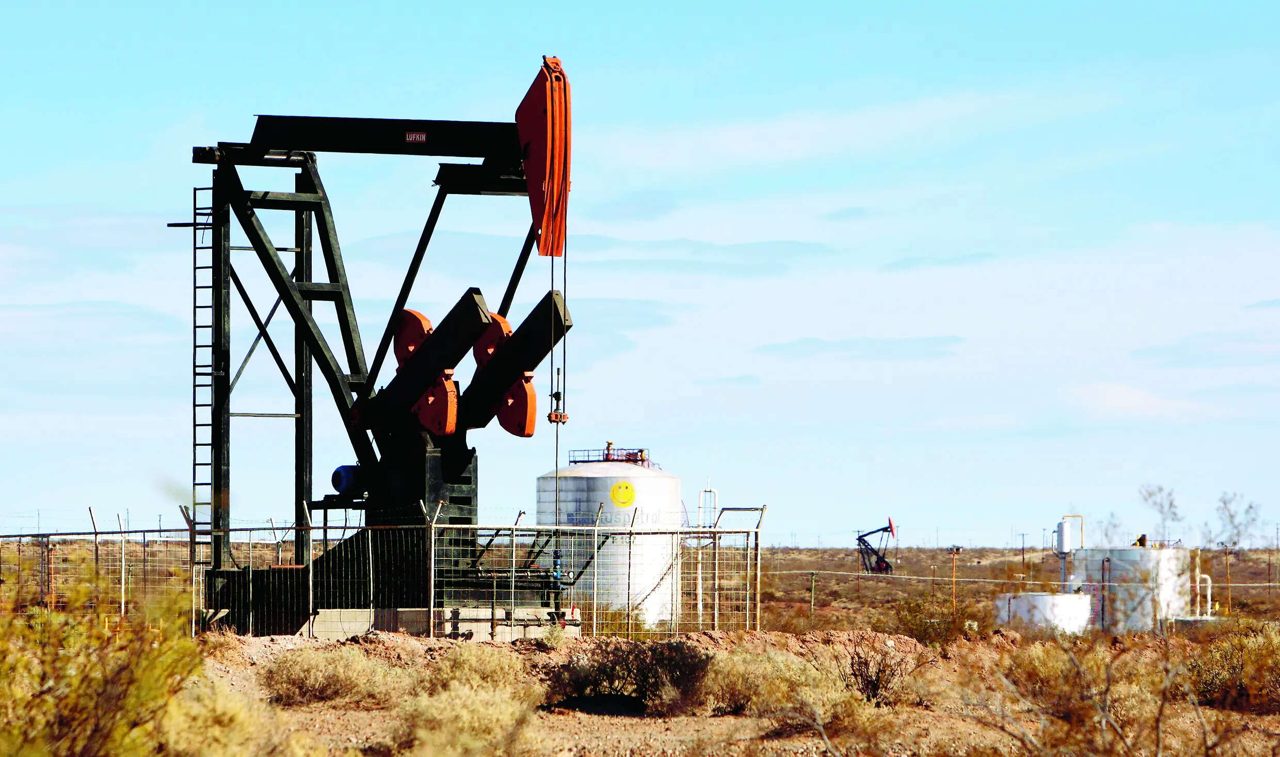
A 35 percent plunge in global crude prices since April has doubled the per-litre profit margins for India's state-owned oil marketers, though government tax hikes or retail price cuts remain key risks to this recovery.
India's state-owned oil marketing companies are facing a sharply improved earnings outlook as the cost of their primary raw material collapses. Brent crude has tumbled 35 percent from its April peak of $120 a barrel, pushing global benchmark prices below the critical $80 threshold.
This decline has fundamentally altered the profitability of selling fuel in the world's third-largest oil consumer. Integrated margins for petrol and diesel have surged to more than double their historical norms. The shift provides a sudden boost to corporate earnings just as global energy markets face heightened volatility.
With Brent trading below $75 and refining cracks at roughly $23 a barrel for petrol and $44 for diesel, integrated margins are now estimated at ₹26 and ₹27 per litre, respectively. This compares to a normalized baseline of just ₹11 to ₹12 per litre, according to Equirus Securities.
Operating profit before depreciation and amortisation from fuel sales tells a similar story of rapid recovery. JM Financial calculates that this metric has climbed to approximately ₹19 per litre. This represents a significant jump from the historical average of just ₹8 per litre.
The sustainability of these windfall margins hinges entirely on government pricing decisions and tax policies. "Otherwise, the earlier price increase should largely insulate marketing margins at $75-80 per barrel," said Maulik Patel, head of equity research at Equirus Securities.
However, Patel warned of the downside scenario. "OMCs will be hurt if retail fuel prices are cut," he noted, adding that any state move to increase excise duties could also capture a portion of the financial benefit for the exchequer rather than the refiners.
The margin expansion offers a crucial lifeline after a prolonged period of severe financial strain. The petroleum and natural gas ministry reported that these state firms accumulated ₹2.2 lakh crore in under-recoveries on petrol, diesel, and liquefied petroleum gas sales by the end of June.
These under-recoveries represent the losses incurred when regulated retail prices fall below the combined cost of purchasing crude, refining it, and delivering the final product. The current price reversal provides a rare window for balance sheet repair. Investors are now closely watching how management teams deploy this renewed cash flow.