Asian stocks drop as Middle East tensions lift oil, rate hike bets rise
A sharp rise in oil prices following US military strikes on Iran pushed Asian equities lower and revived market expectations for further Federal Reserve rate hikes.
Asian equities declined on Monday as geopolitical risks escalated following US military strikes on Iran over the weekend. The targeted strikes hit Iran's capabilities to attack commercial shipping in the Strait of Hormuz, responding to Iranian drone and missile attacks on Kuwait, Jordan and Qatar. Tehran announced the closure of the crucial waterway, though US and maritime authorities stated vessels were still transiting its southern channel.
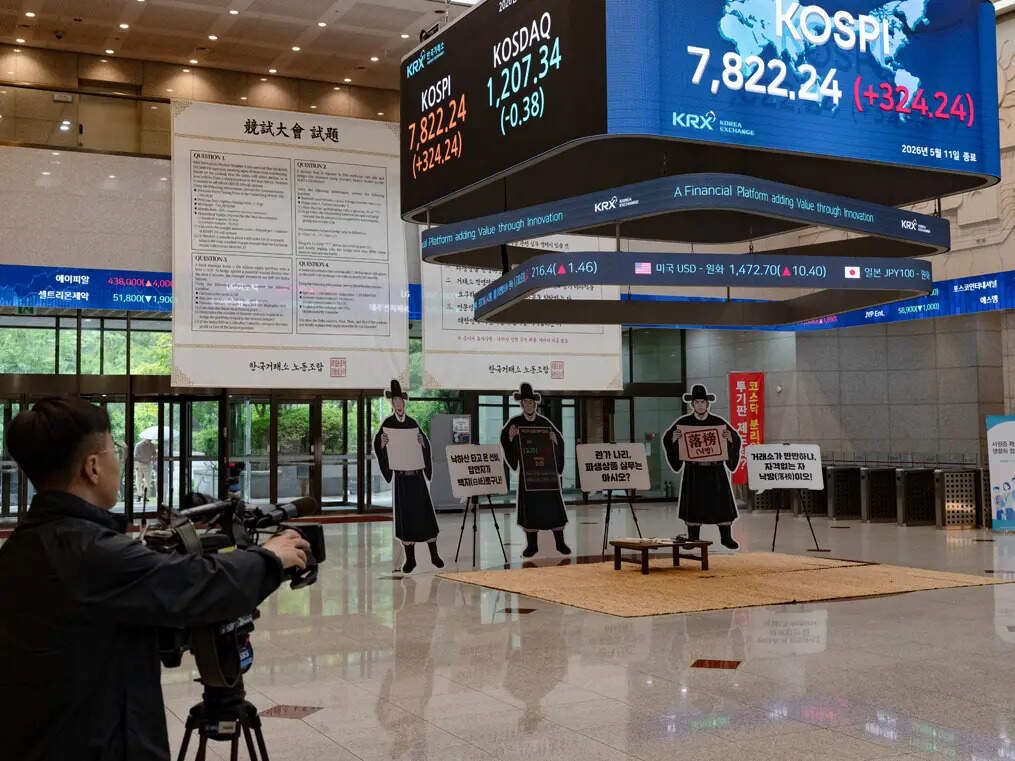
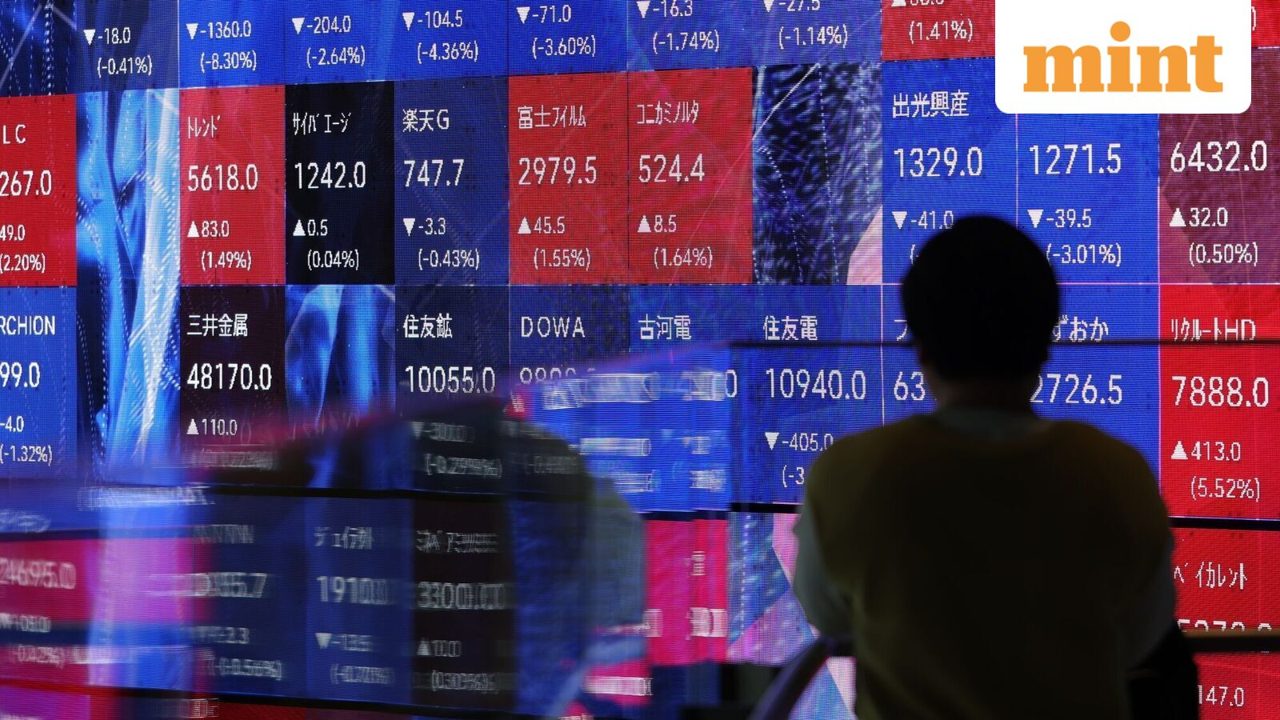
South Korea's Kospi bore the brunt of the selling, falling 2.47%, while its small-cap Kosdaq counterpart diverged to climb 0.98%. Japan's Nikkei 225 dropped 0.2% and the broader Topix declined 0.094%. Australia's S&P/ASX 200 slipped 0.10%, and Nasdaq 100 futures fell 0.5%, signaling a weak handover to Wall Street.
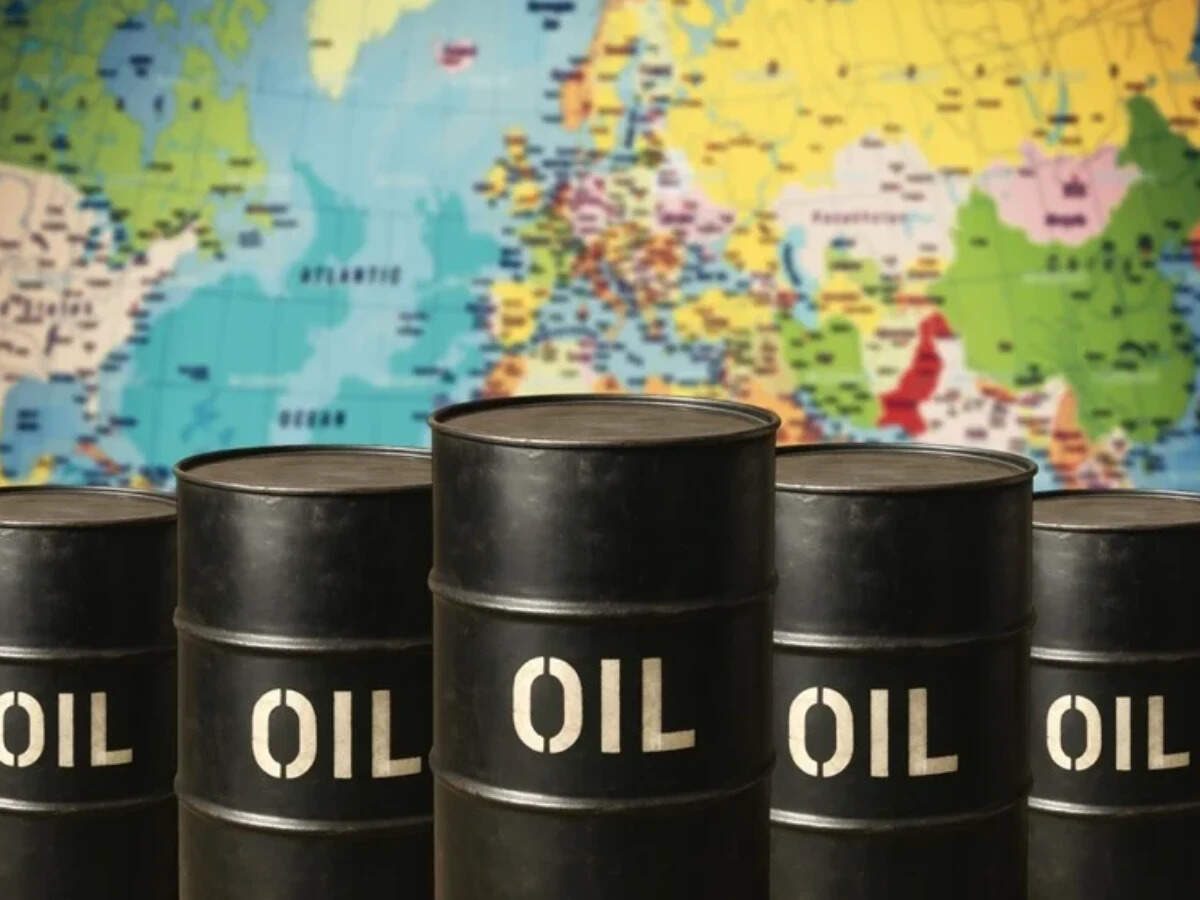
The conflict pushed Brent crude up more than 3% to roughly $78.40 a barrel, immediately disrupting the global rate outlook. Higher energy costs stoked fresh inflation anxieties, driving money markets to price in nearly 40 basis points of additional Federal Reserve tightening by December. This represents a steep increase from the 15 basis points priced in early June.
The inflation fears triggered a broad repricing across asset classes. Gold fell 1.2% to nearly $4,070 an ounce and silver dropped 2%, while Bitcoin edged down 0.6% to around $63,800. US Treasury futures and Australian bonds both declined as the US dollar strengthened against most major currencies.
The timing of this geopolitical shock compounds existing vulnerabilities for global equity markets. Major US banks, including Goldman Sachs and JPMorgan Chase, are scheduled to report quarterly results on Tuesday. With major indices trading near record highs, investors have little room to absorb disappointing corporate earnings against a backdrop of elevated energy prices.
Focus will now turn to this week's US consumer and producer price data, the final inflation readings ahead of the Federal Reserve's meeting later this month. Economists surveyed by Bloomberg expect both headline and core inflation to have eased slightly in June but remain well above the Fed's 2% target. Federal Reserve Chair Kevin Warsh is also scheduled to make his first appearance before Congress.
Regional investors are also monitoring key domestic catalysts. The Bank of Korea is widely expected to raise its benchmark rate to 2.75% on Thursday after Governor Shin Hyun Song warned that persistent inflation, a weak won and rising housing prices may warrant tighter policy. Additionally, China's second-quarter GDP data, forecast at 4.5% year-on-year growth, will provide further evidence of slowing economic momentum.