China spotlights viral retailer Pangdonglai in consumption push
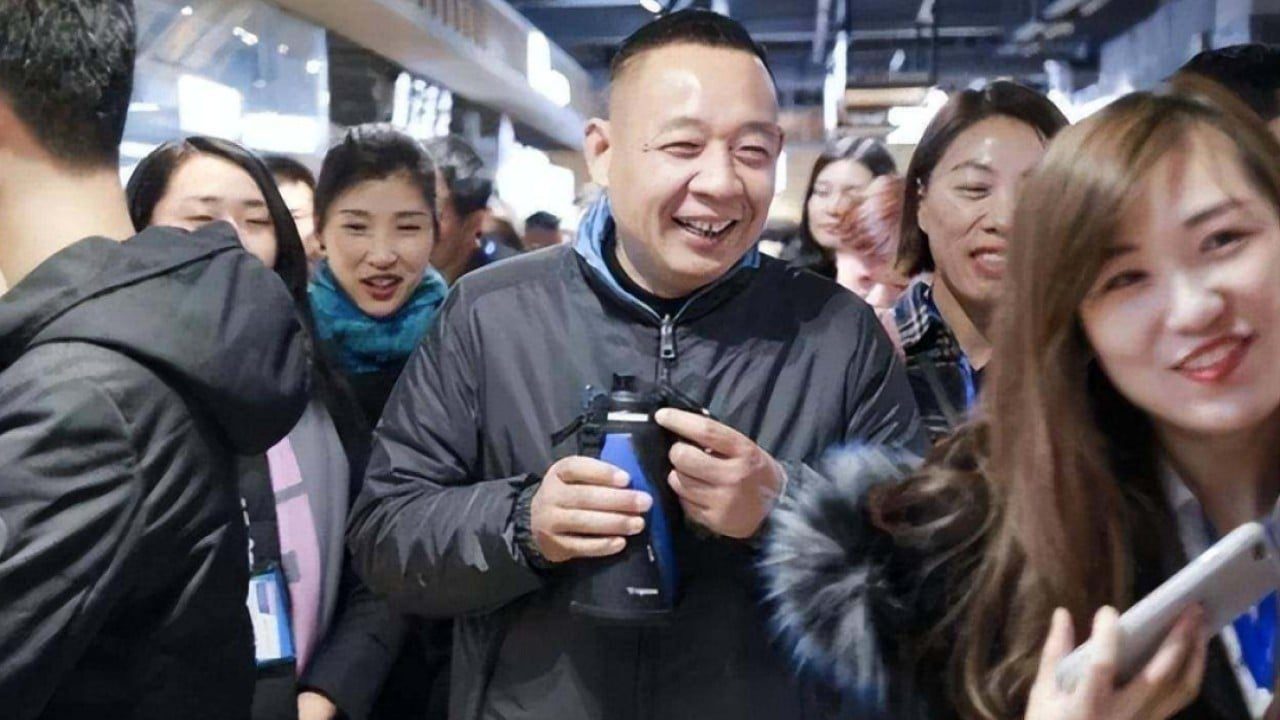
The invitation of Pangdonglai’s founder to a high-level government forum signals Beijing’s intent to boost domestic demand through innovative private enterprise models.
Yu Donglai, the 60-year-old founder of regional supermarket chain Pangdonglai, addressed a July 13 forum alongside Premier Li Qiang. His presence was notable as he was one of very few representatives from the retail and consumer sectors at an event dominated by state industrial leaders. Other speakers included the president of Sinopec, the head of state-backed server maker Sugon, the president of Shandong Heavy Industry Group and a panel of economists.
Pangdonglai has recently captured significant public attention across China for its approach to grocery retail. The chain is frequently described as a domestic equivalent to Walmart’s Sam’s Club due to its heavy emphasis on premium, high-quality goods, particularly fresh produce. It departs from the US warehouse model, however, by eliminating membership fees entirely and permitting customers to buy single items rather than requiring bulk purchases.
For market participants, the significance of Yu’s invitation lies less in the company’s specific operations and more in what it reveals about Beijing’s current economic priorities. Placing a private retailer alongside energy and technology executives indicates a focus on stimulating everyday consumer spending. “Very few commercial firms participated in the forum to offer suggestions. This reflects the government’s focus on boosting consumption and domestic demand,” said Tang Dajie, a senior researcher at the China Enterprise Institute, a Beijing-based think tank.
The government’s interest in Pangdonglai extends beyond its cash registers to its internal management structure. According to Tang, the company represents an innovative governance model for private enterprises. While traditional retail firms typically prioritize branding, supply chain logistics and profit margins, Pangdonglai has built its reputation on humane and flexible management practices. “This shows that the government values innovative corporate governance models, sending a relatively open-minded policy signal,” Tang added.
Executives and investors should note that while the policy signal is clear, the practical application of this model has constraints. Tang pointed out that the retailer’s impact is currently restrained by geographical limits, raising questions about whether its specific governance model can scale effectively across China's varied consumer markets. Nevertheless, the company’s elevation to a state-endorsed example suggests that private consumer businesses prioritizing flexible management and product quality may find a more receptive regulatory environment.