US to Resume Mexico Cattle Imports After 15-Month Screwworm Ban
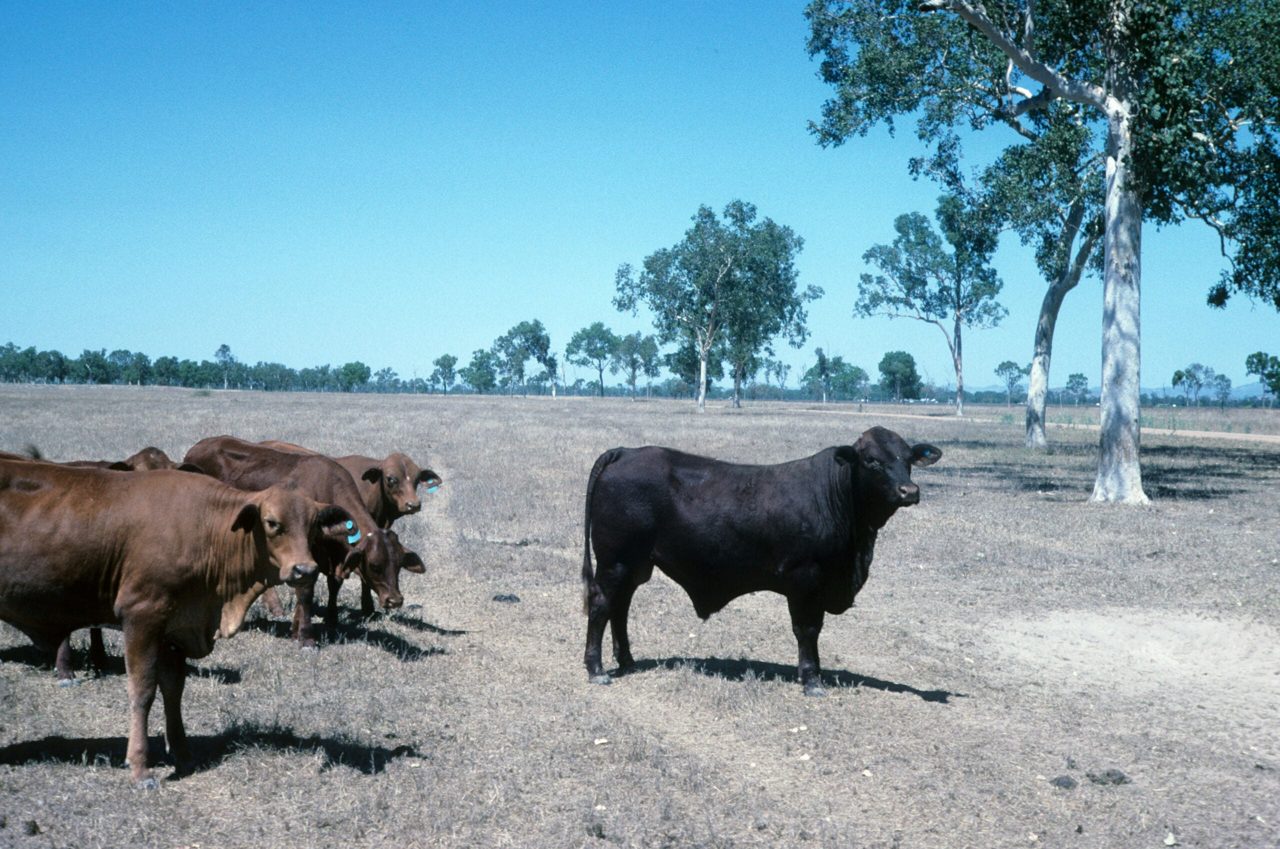
The US will restart live cattle imports from Mexico next week, restoring a critical cross-border supply chain after a 15-month biosecurity closure that strained ranchers and tightened beef supplies.
The US Department of Agriculture will reopen the Douglas, Arizona border crossing to live Mexican cattle on August 24, 2026, ending a 15-month suspension triggered by a New World screwworm outbreak. The move marks the first step in a phased reopening that will eventually include the New Mexico ports of Santa Teresa and Columbus. Major Texas crossings, however, remain closed indefinitely.
USDA Secretary Brooke Rollins confirmed the step-by-step approach following virtual talks with Mexican Agriculture Secretary Julio Berdegué. The department will reassess the parasite situation between each reopening phase, basing decisions on case numbers and geographic spread. At reopened ports, USDA inspectors will examine every shipment to ensure imported animals show no signs of the flesh-eating larva.
The market reaction to the restarted trade is expected to be muted. Industry analysts have noted the restart will likely cause only a short-term, mostly psychological softening in feeder cattle prices. Because there is no large backlog of cattle waiting to move, and the phased schedule limits volume, any immediate relief for US buyers facing elevated input costs will be temporary.
The prolonged disruption exposed the deep integration, and vulnerability, of the North American beef supply chain. For Mexico, the ban created a domestic glut of cattle that could not cross north, depressing prices for ranchers. US feedlots, particularly in states like Texas, simultaneously grappled with tighter supplies of feeder cattle. Restoring the channel alleviates structural pressure on both sides of the border.
Consumer beef prices in the US may also see modest relief over time. While the phased reopening means supply will return in increments rather than a flood, the sheer volume of normal US-Mexico cattle trade means sustained disruptions eventually filter through to retail pricing.
The USDA has not set a timeline for reopening the Del Rio and Laredo, Texas ports, which were tied to additional control measures by Mexican state authorities. Full normalization depends entirely on Mexico maintaining its aggressive containment campaign. Authorities have relied on releasing more than 100 million sterile screwworm flies each week to collapse the wild population. Eight consecutive weeks without documented northward spread by late July provided the epidemiological evidence required to ease trade restrictions.