Lagos Inflation Shifts Consumer Spending to Wholesale Hubs

Persistently high inflation is forcing Nigerian consumers to bypass traditional grocery retailers in favor of wholesale markets, cutting household food expenses by up to 60% and reshaping Lagos’s retail landscape.
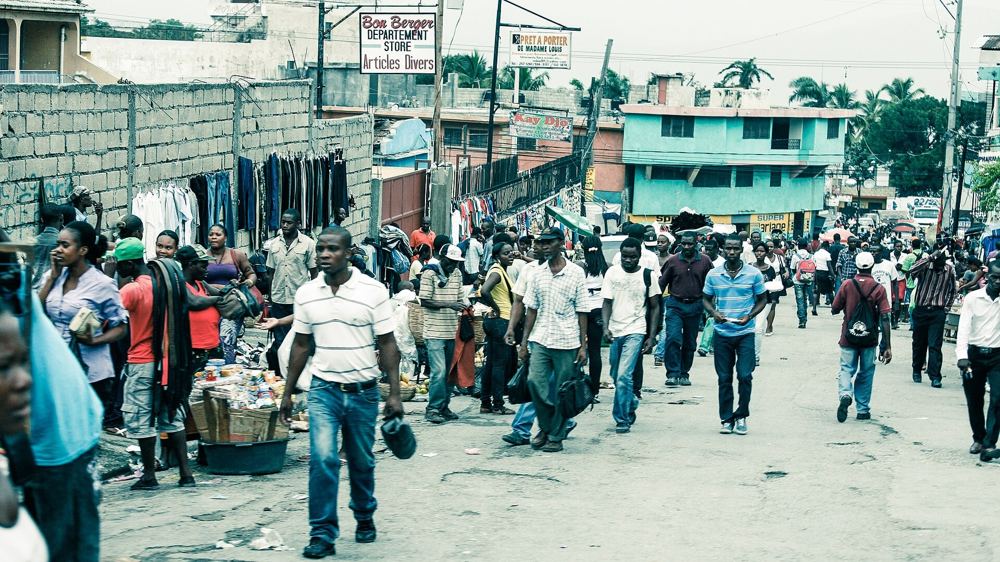
Persistently high inflation and rising living costs are driving a structural shift in how Lagos residents purchase household essentials. Rather than frequenting neighborhood supermarkets, consumers are increasingly making fewer, bulk purchases at the city's wholesale hubs.
This behavioral change has significant implications for traditional retail chains. The price differential between conventional stores and wholesale markets can amount to thousands of naira in monthly savings. Households estimate that replacing daily grocery runs with organized wholesale shopping at locations like Mile 12 can reduce monthly food expenses by as much as 60%, a margin that formal retailers cannot currently match.
Lagos hosts dozens of specialized wholesale markets that receive goods directly from manufacturers, importers, and major distributors. These hubs act as critical distribution nodes in Nigeria’s supply chain. Mile 12, for example, has evolved over four decades into arguably the largest foodstuff trading hub in West Africa. It supplies staples like rice, tomatoes, and onions sourced from northern Nigeria at prices far closer to farm-gate rates.
The economic footprint of these markets extends beyond domestic food consumers. Hubs like Dosunmu and Ebute Ero on Lagos Island attract cross-border buyers from Ghana and Benin Republic, who source kitchenware, souvenirs, and provisions in bulk. Furthermore, markets like Westminster and Odolowu are tapping into demand for affordable, second-hand electronics and appliances, providing alternatives for families furnishing homes on tight budgets.
Recognizing the growing commercial demand for bulk purchasing, market infrastructure is slowly modernizing. Arena Market in Oshodi houses over 3,000 stalls, including lock-up shops and warehouse units. It features dedicated loading bays for livestock and produce, parking for over 1,000 vehicles, and integrated banking services to facilitate large-scale transactions.
For investors and executives in Nigeria’s consumer goods sector, this trend underscores a clear bifurcation in the retail market. As long as inflation continues to compress disposable income, consumer spending will increasingly bypass formal retail outlets. Capital and volume will remain concentrated in the wholesale distribution networks that ultimately dictate pricing for the broader economy.