Lula wins Brazil’s presidency for a fourth time with 51.8% of the vote
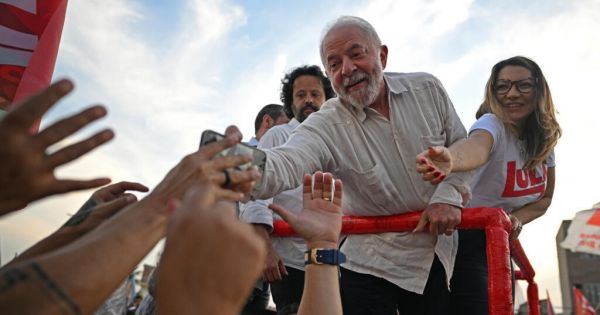
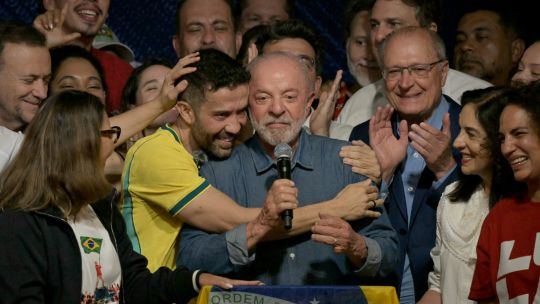
Brazilian President Luiz Inácio Lula da Silva won Sunday’s presidential runoff with 51.78% of valid votes against 48.22% for Senator Flávio Bolsonaro, according to the Superior Electoral Court, with 99.97% of the vote counted. Lula, 80, will govern the country for a fourth time, from 2027 to 2030, after overturning his first-round deficit.
Brazilian President Luiz Inácio Lula da Silva won Sunday’s presidential runoff with 51.78% of valid votes against 48.22% for Senator Flávio Bolsonaro, according to the Superior Electoral Court, with 99.97% of the vote counted. Lula, 80, will govern the country for a fourth time, from 2027 to 2030, after overturning his first-round deficit.
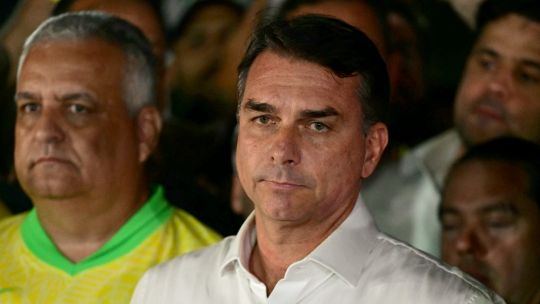
The Workers’ Party candidate won 64.2 million votes, some 4.4 million more than the son of former president Jair Bolsonaro, who received 59.8 million. The court declared Lula mathematically elected shortly after 9 p.m. Brasília time, following a count in which the president overtook his rival when about half the votes had been tallied and never lost the lead. In Brasília, Bolsonaro supporters gathered on the Esplanade of Ministries left in silence as the result became known.
Lula is the first candidate to win the presidency after coming second in the first round since Brazil returned to direct presidential elections in 1989, and the first Brazilian elected to the office four times. He governed from 2003 to 2010 and returned to power in 2023 after defeating Jair Bolsonaro in the 2022 election with 50.90% of the vote, a narrower margin than Sunday’s. He will be 85 at the end of this term and will not be able to run again.
The result defied the polls, which until the last day showed a statistical tie with a slight edge for the senator. The latest Datafolha poll gave each candidate 50% of valid votes. Bolsonaro, of the Liberal Party, had won the first round on October 4 with 47.03% of the vote, some 56.1 million, against Lula’s 45.16%, a result that also surprised pollsters.
After that setback, Lula’s campaign threw itself into mobilising the roughly 33 million voters who stayed away in the first round, with particular attention to those over 70 and 16- and 17-year-olds, for whom voting is optional. In the final stretch, the government raised the Bolsa Família social programme, received by 20 million families, by 15%, and Congress approved the 40-hour working week with two days off, one of the president’s flagship pledges. Lula also announced subsidies, fuel tax cuts and debt relief programmes which, according to calculations by the newspaper Folha de S.Paulo, add up to almost 300 billion reais through 2027.
Bolsonaro, who received the backing of almost all right-wing and centre-right parties after the first round, focused his campaign on security, the cost of living and a promise to cut public spending while maintaining social programmes. He had pledged to pardon his father, sentenced to 27 years in prison for plotting a coup after the 2022 election, and during the campaign committed to respecting the result.
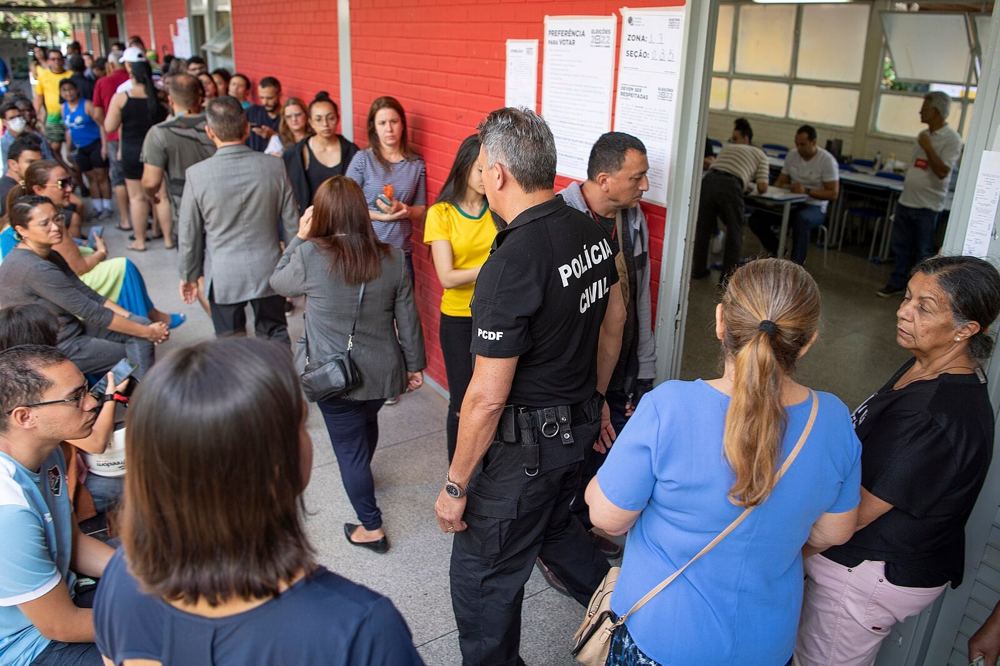
Voting day was marked by the extension of polling hours in some areas, ordered by a judge at the request of Lula’s campaign over public transport problems, according to El País, a decision criticised by opposition figures. The campaign was also shaped by the legal dispute with Meta, which both candidates accused of unequal treatment on its platforms, and by the agreement both signed at the electoral court to mutually lift the secrecy of their bank, tax and phone records.
Lula, who turns 81 on Tuesday, will take office on January 1 alongside Vice President Geraldo Alckmin and will have to govern with a Congress in which the Liberal Party will hold the largest bloc in both the Chamber of Deputies and the Senate, foreshadowing strong parliamentary opposition.
Regionally, the Brazilian president will govern alongside neighbours that have mostly aligned themselves with Donald Trump’s administration, such as Argentina, Chile, Paraguay and Bolivia. Argentine President Javier Milei backed Bolsonaro during the campaign, repeatedly insulted Lula and even accused him of seeking to “steal” the election, while Lula used Milei as an argument against his rival in both debates. Relations with Washington, marked by the tariffs Trump imposed on Brazilian goods, which Lula blamed on the Bolsonaro family, will be another major challenge of his new term. Former Colombian president Gustavo Petro was among the first to congratulate him.